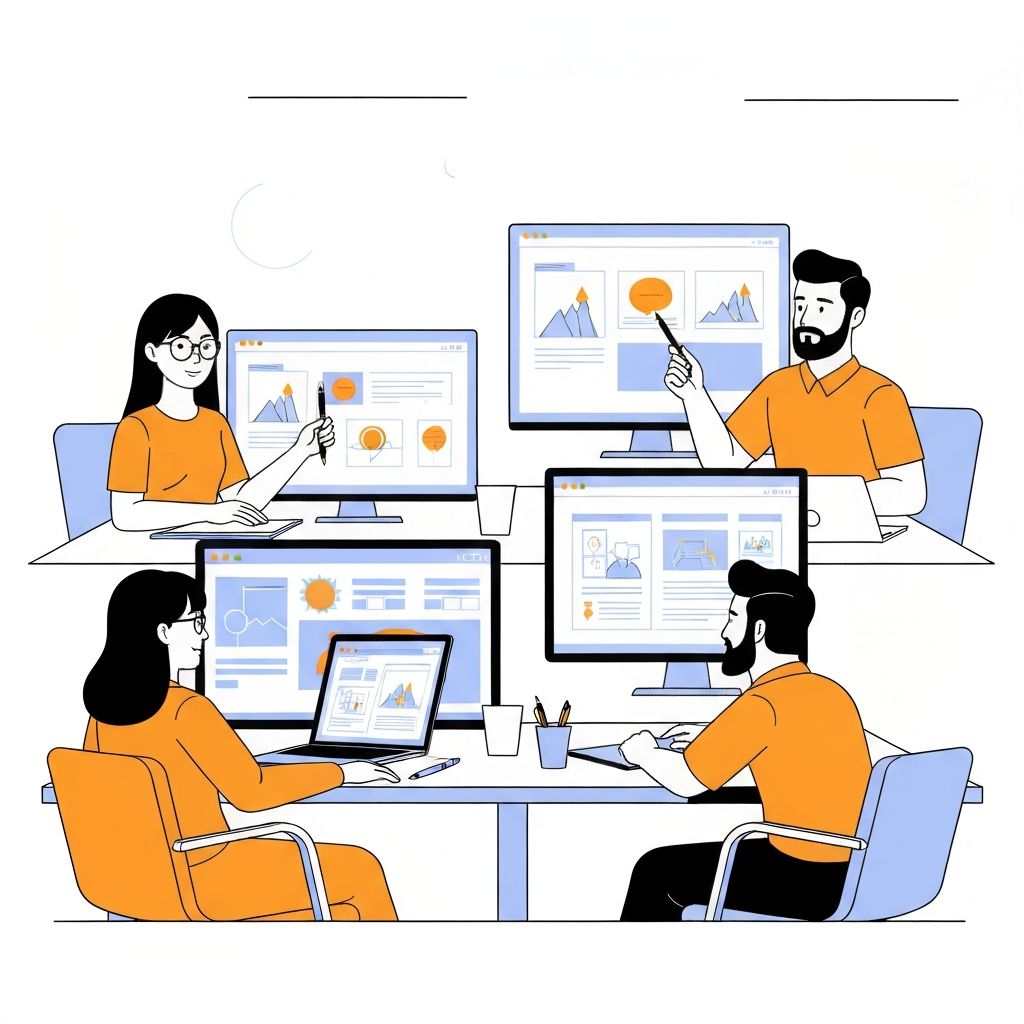
Best Web Design Tools for Agency-Client Collaboration in 2026
Discover the best web design tools for agency-client collaboration that streamline feedback, approvals, design handoff, and project communication.
Ethan Walker
Author
Web design projects rarely fail because of bad design. They fail because of bad collaboration. Missed feedback, lost email threads, conflicting revisions, and unclear approvals quietly drain hours from every project and frustrate clients who simply want progress they can see. The best web design tools for agency-client collaboration solve these problems by giving both sides a single shared space for files, feedback, and decisions. This guide breaks down the categories of tools that matter most and the standout options agencies trust in 2026.
Why Collaboration Tools Matter More Than Ever
Modern web projects involve more stakeholders than ever before. Designers, developers, copywriters, SEO specialists, marketing managers, and business owners all need visibility into the same project. Email cannot manage this volume of communication. Spreadsheets cannot track this many moving pieces. Without dedicated collaboration tools, even talented teams produce chaotic outcomes.
The right tools reduce miscommunication, accelerate approvals, and create a clear paper trail for every decision. They also dramatically improve client experience, which directly affects referrals and retention.
Design and Prototyping Tools
Figma has become the dominant collaborative design platform. Multiple team members can edit a file simultaneously, leave threaded comments on any element, and share view-only links with clients for review. Clients no longer need to install software. They simply click a link and see the latest design.
FigJam complements Figma for early stage workshops, mood boards, sitemaps, and brainstorming sessions. Miro offers similar capabilities with deeper integrations for larger enterprise teams.
Project Management Platforms
Asana, ClickUp, Notion, and Trello dominate small to mid sized agency project management. Each lets agencies create task boards, assign owners, set due dates, and share progress with clients through guest access. Notion stands out by combining tasks, documents, and wikis in one workspace, which suits agencies that prefer fewer separate tools.
For larger agencies, Monday.com and Teamwork offer richer reporting, workload views, and time tracking. The right choice depends on how much complexity your team and clients actually need.
Feedback and Annotation Tools
Generic email feedback is one of the biggest sources of project friction. Tools such as Pastel, BugHerd, and Markup.io let clients click directly on a live website or design and leave specific comments tied to that element. Each comment becomes a tracked task with a clear status. This eliminates ambiguous feedback like make the header better and replaces it with precise context tied to a screenshot.
For video and recorded walkthrough feedback, Loom is the industry standard. Five minutes of recorded screen sharing often replaces twenty minute meetings and gives clients a permanent record they can revisit.
File Sharing and Asset Management
Google Drive remains the everyday workhorse for shared documents and asset libraries. Dropbox suits agencies handling large video and design files. For more structured digital asset management, Brandfolder and Frontify keep brand systems and content organized in ways that scale well across many clients.
Whatever the platform, set clear folder conventions early. Naming files predictably and archiving old versions prevents confusion months later when revisions resume.
Communication and Messaging
Slack remains popular for real time client communication when both sides agree to use it. Microsoft Teams suits more corporate clients. For asynchronous messaging without inviting clients into the agency's full workspace, dedicated client portals such as ClientVenue, Plutio, and SuiteDash provide a professional alternative.
Avoid mixing personal text messages, scattered emails, and platform messages. Pick one primary channel for each client and document the rule clearly during onboarding.
Approval and E-Signature Tools
Approvals deserve their own dedicated tool layer. Proposify and Better Proposals streamline proposal sign offs. DocuSign and HelloSign manage contracts and addendums. For design milestone approvals, Pastel includes formal sign off features that timestamp client agreement, reducing scope creep arguments later.
Choosing the Right Stack
The temptation is to adopt every tool. The reality is that fewer tools, used consistently, outperform many tools used inconsistently. Most successful agencies settle on a stack of five to seven tools that cover design, project management, feedback, file sharing, communication, and approvals. New tools are added only when a clear gap emerges.
When introducing tools to clients, prepare a short onboarding video showing exactly how to log in, leave feedback, and approve work. Reducing client confusion at the start saves hours of support across the project.
Conclusion
The best web design tools for agency-client collaboration share a common goal of removing friction between great design work and great client experience. By thoughtfully combining Figma for design, a strong project management platform, focused feedback tools, organized file sharing, clear communication channels, and structured approval workflows, agencies create a smooth experience that protects budgets, timelines, and relationships. Tools alone do not produce great projects, but the right tools make great teamwork possible at a level that wins repeat business and referrals year after year.
More from Technology
Continue exploring our curated collection of articles

SEO Computers: Choosing the Right Machine and Ranking a Computer Business Online
SEO computers explained two ways: the hardware specs that genuinely speed up SEO work, and how computer businesses rank for the searches that bring customers.

modern seo
How modern SEO actually works in the AI search era, based on 18 months of traffic data across 40 sites, including what stopped working and what never changed.

How AI Is Reshaping SEO and Content Marketing
Discover how AI is reshaping SEO and content marketing, from generative search and intent modeling to automated content workflows, E-E-A-T, and measurable results.