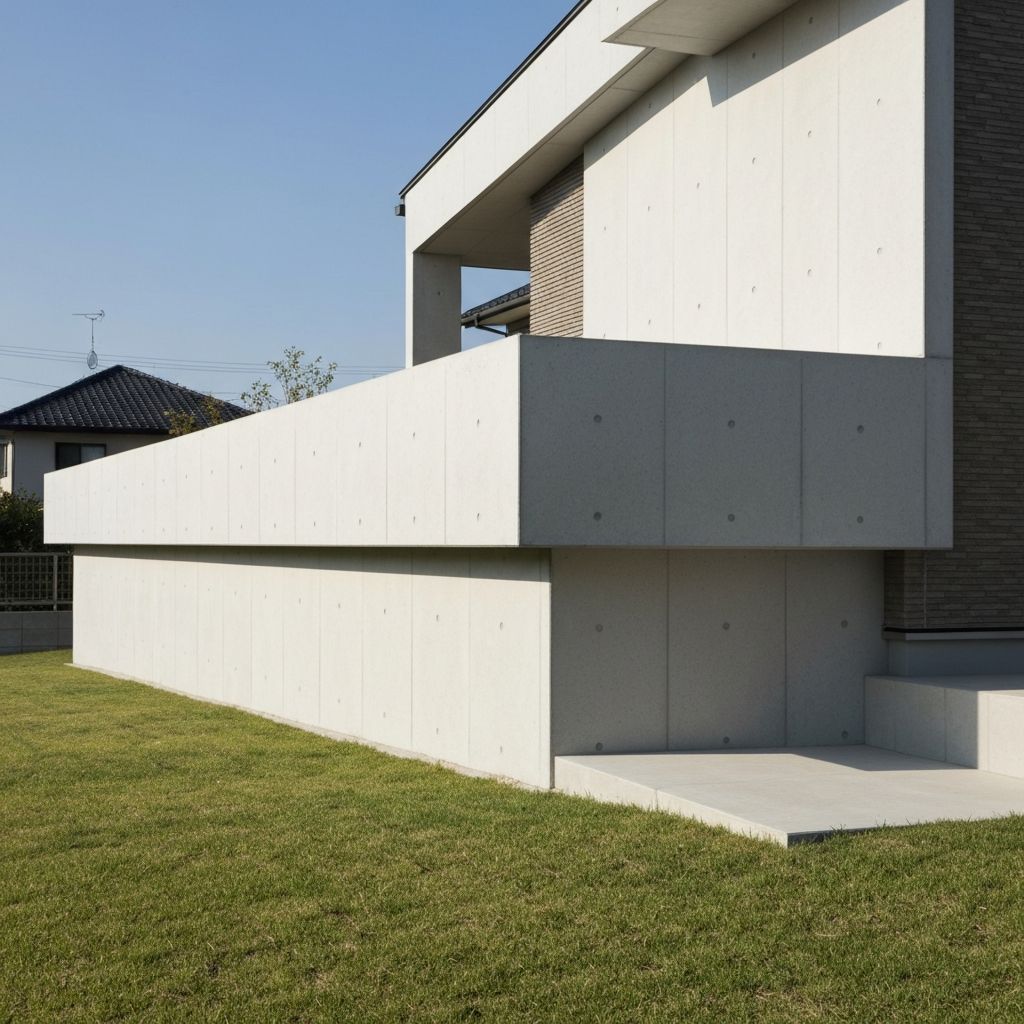
House Foundation Repair: Signs, Methods, and Costs Guide
Learn about house foundation repair methods, warning signs of structural damage, average cost ranges, and how to hire qualified contractors properly.
Thomas Richardson
Author
Foundation problems rank among the most serious issues that can affect a home, potentially threatening both structural integrity and property value. Understanding how foundations can fail, recognizing warning signs of developing problems, knowing repair options, and navigating the contractor selection process empowers homeowners to address issues before minor concerns become major disasters. Whether you have noticed concerning signs in your home or want to understand this critical topic proactively, comprehensive foundation knowledge protects one of your most significant investments.
Understanding Home Foundation Basics
A home's foundation serves as the critical structural element transferring the entire building's weight to the supporting soil. Most residential foundations fall into several categories, including full basements, crawl spaces, slab-on-grade, pier and beam, and piling foundations. Each type has distinctive characteristics, strengths, and vulnerabilities that affect how problems develop and what repair approaches make sense.
Concrete slab foundations are common in areas with stable soils and warm climates, providing a flat surface directly supporting the home. Basement foundations provide additional usable space while complicating construction and creating potential for water issues. Crawl space foundations offer middle-ground benefits with some access beneath the home. Understanding your foundation type guides both problem identification and repair decisions.
Common Causes of Foundation Problems
Multiple factors can cause foundation damage over time. Soil conditions represent the most significant factor in most foundation problems. Expansive clay soils expand when moist and contract when dry, applying significant pressure against foundations through these cycles. Regions with predominantly clay soils experience high rates of foundation problems, particularly in climates with dramatic seasonal moisture variations.
Water issues cause or exacerbate most foundation problems. Poor drainage directing water toward the foundation, plumbing leaks beneath the home, clogged gutters overflowing at the foundation, and improper grading all contribute to moisture problems. Tree roots can damage foundations both by absorbing moisture and creating mechanical pressure. Seismic activity, settlement of original fill material, and initial construction defects also contribute to foundation issues.
Warning Signs of Foundation Problems
Recognizing foundation problems early allows for less expensive, less disruptive repairs. Visible cracks in foundation walls represent one obvious warning sign, though not all cracks indicate serious problems. Hairline cracks in concrete are often normal and not structurally significant. However, cracks wider than one-eighth inch, horizontal cracks, stair-step cracks in masonry, or cracks that grow over time warrant professional evaluation.
Interior warning signs include cracks in drywall, particularly those radiating from corners of doors and windows. Doors and windows that stick, fail to latch properly, or show visible gaps around their frames often indicate frame shifting due to foundation movement. Uneven floors that slope noticeably, especially those developing slopes over time, suggest possible foundation settlement. Cabinets pulling away from walls, gaps appearing where walls meet ceilings, and visible separation of building components similarly indicate structural movement.
Exterior Warning Signs
Outside the home, additional warning signs deserve attention. Visible separation between the chimney and the main structure suggests foundation movement. Gaps beneath siding and trim, separation of deck or porch from the house, and visible tilt of the building all indicate problems. Water stains on foundation walls, efflorescence from moisture, and visible damage to foundation coatings suggest moisture issues that may be causing or accelerating damage.
Landscape changes near the foundation also matter. Standing water near the foundation after rain indicates drainage problems. Soil pulling away from the foundation, creating visible gaps, suggests soil shrinkage that can cause settlement. Cracked or separated driveways, walkways, and patios near the foundation may indicate broader soil movement affecting the structure. Regular inspection of the home's exterior helps identify developing problems.
Types of Foundation Repair Methods
Several specific methods address different types of foundation problems. Piering, the most common approach for settling foundations, involves driving steel piers through the existing foundation into deeper, stable soil or bedrock. This transfers the building's weight from problem soil to reliable support. Push piers are driven by hydraulic pressure using the weight of the house itself, while helical piers are screwed into the ground using hydraulic motors.
Slab jacking, also called mud jacking or concrete leveling, addresses settled concrete slabs by injecting material beneath the slab to raise it back to level. Traditional slab jacking uses a cement slurry, while newer polyurethane foam injection offers faster, cleaner alternatives with less weight addition. This method works well for sinking patios, driveways, and some slab foundation issues but cannot address more fundamental foundation failures.
Advanced Repair Techniques
More complex foundation issues may require combined approaches or specialized techniques. Wall anchors and bracing systems address bowing basement walls caused by lateral soil pressure. Steel I-beams, carbon fiber straps, or helical wall anchors stabilize bowing walls and prevent further movement. Soil stabilization through chemical injection or soil replacement addresses underlying soil problems rather than just symptoms.
Drainage improvements often accompany foundation repairs to address root causes. French drains around foundations direct water away from the structure. Proper grading sloping away from the foundation prevents water accumulation. Gutters and downspouts extended well away from the foundation prevent concentrated water delivery. Sump pump systems in basement areas remove water that does accumulate, preventing pressure buildup against walls.
Cost Ranges for Foundation Repair
Foundation repair costs vary enormously depending on problem type, extent, location, and chosen method. Minor repairs for small cracks or isolated issues might cost between five hundred and two thousand dollars. More significant work involving piering a portion of the foundation typically ranges from five thousand to fifteen thousand dollars. Comprehensive foundation repair for homes with serious issues can exceed thirty thousand dollars and sometimes reach fifty thousand or more.
Specific repair methods carry different cost profiles. Each push pier installation typically costs between one thousand two hundred and two thousand dollars. Helical piers generally cost slightly more per pier. Slab jacking usually runs between five hundred and two thousand five hundred dollars depending on the area treated. Wall bracing averages between four hundred and one thousand five hundred dollars per anchor or beam. Complete repair costs depend on how many pieces of equipment the specific situation requires.
Choosing a Foundation Repair Contractor
Selecting a qualified contractor dramatically affects repair success and long-term satisfaction. Proper licensing, insurance, and bonding are minimum requirements. Structural engineers should be involved in significant repairs, either through the contractor's staff or as independent consultants. Certifications from professional organizations like the Foundation Performance Association provide additional assurance of expertise and ongoing professional development.
Experience specific to your foundation type and problem matters significantly. A contractor skilled in basement waterproofing may not be the right choice for slab foundation repairs, and vice versa. References from past clients with similar problems allow verification of actual performance. Online reviews provide additional insight, though individual reviews should be considered skeptically given the strong emotions foundation problems generate.
Evaluating Repair Proposals
Foundation repair proposals should include detailed inspection findings, specific recommended repairs, clear pricing, estimated timelines, and warranty terms. Proposals that lack specificity, include pressure tactics for immediate signing, or request substantial upfront payments should raise suspicions. Legitimate contractors welcome questions, explain reasoning for their recommendations, and respect homeowners' need to consider decisions carefully.
Multiple proposals from different contractors almost always benefit the homeowner. Three to five estimates provide reasonable comparison while remaining manageable. Wide variation in proposed approaches should trigger additional research, as contractors sometimes propose solutions based on what they typically do rather than what specific situations actually require. An independent structural engineer can provide objective guidance when proposals vary significantly.
Warranty Considerations
Foundation repair warranties vary dramatically between contractors. Quality warranties should be transferable to subsequent property owners, a particularly important feature when repairs might be needed for decades. Lifetime warranties from established contractors carry more weight than lifetime warranties from recent market entrants, as the actual enforcement depends on the company remaining in business.
Warranty specifics matter beyond duration. Understanding what is covered, what would void the warranty, and what service obligations continue throughout the warranty period prevents future disputes. Some warranties cover only the initial repair, while others extend to subsequent problems in the same area. Transfer fees may apply when properties change ownership. Reading complete warranty documents before making decisions prevents unpleasant surprises later.
Insurance and Financing Considerations
Homeowners insurance typically does not cover foundation repairs resulting from gradual soil movement, settling, or wear and tear. Some policies cover damage from specific causes like broken plumbing, though these claims require careful documentation. Flood insurance may cover foundation damage specifically caused by flooding events. Understanding insurance coverage and documentation requirements helps maximize potential reimbursement when applicable.
Financing major foundation repairs often becomes necessary given costs that may reach tens of thousands of dollars. Home equity loans typically offer the lowest interest rates but require sufficient equity. Personal loans provide quicker access without property collateral at higher interest rates. Some contractors offer financing through third-party lenders, though comparison with other financing options ensures competitive terms. Emergency repair situations may limit choices, making proactive financial planning valuable before problems become critical.
Preventing Future Foundation Problems
Proper home maintenance significantly reduces foundation problem risk. Maintaining proper drainage through functional gutters and downspouts directs water away from the foundation. Regular inspection and prompt repair of plumbing leaks prevents moisture accumulation in structurally sensitive areas. Appropriate landscape maintenance including root barriers for trees near the foundation prevents mechanical pressure and excessive moisture consumption.
Consistent moisture management around the foundation helps stabilize soil conditions. During dry weather, some homeowners use foundation watering systems to prevent dramatic soil shrinkage. In wetter climates, ensuring proper drainage prevents soil saturation. Regular professional inspection, particularly for older homes or those in high-risk regions, catches developing problems early when repairs cost less and disrupt life less dramatically.
Conclusion
House foundation repair represents a complex, potentially expensive process that benefits significantly from understanding before problems become urgent. Recognizing warning signs early, knowing the major repair methods, selecting qualified contractors carefully, and maintaining your home properly all contribute to foundation longevity. While foundation problems cannot always be prevented, awareness and proper response can minimize damage and preserve property value. When repairs become necessary, working with reputable contractors using appropriate techniques addresses problems effectively and provides confidence in long-term stability. Protecting your foundation protects your entire home and the substantial investment it represents, making foundation awareness an essential element of responsible homeownership.
Frequently Asked Questions
What will I learn from this lifestyle guide?
Learn about house foundation repair methods, warning signs of structural damage, average cost ranges, and how to hire qualified contractors properly.
How can I improve my work-life balance?
Improve work-life balance by setting clear boundaries between work and personal time, prioritizing tasks using time-blocking techniques, learning to say no to non-essential commitments, and scheduling regular breaks and self-care activities.
More from Lifestyle
Continue exploring our curated collection of articles

Welding Shops Near Me: Services, Pricing, and Selection Tips
Find the best welding shops near you with tips on services offered, pricing ranges, choosing qualified welders, and common projects they handle daily.
Auto Repair Shops Transmission: Service and Cost Guide
A complete guide to finding trusted auto repair shops for transmission service, common warning signs, typical repair costs, and questions to ask.

Prices For Dental Veneers: Complete Cost Breakdown Guide
Explore the real prices for dental veneers including porcelain and composite options, insurance coverage, financing plans, and what affects overall cost.