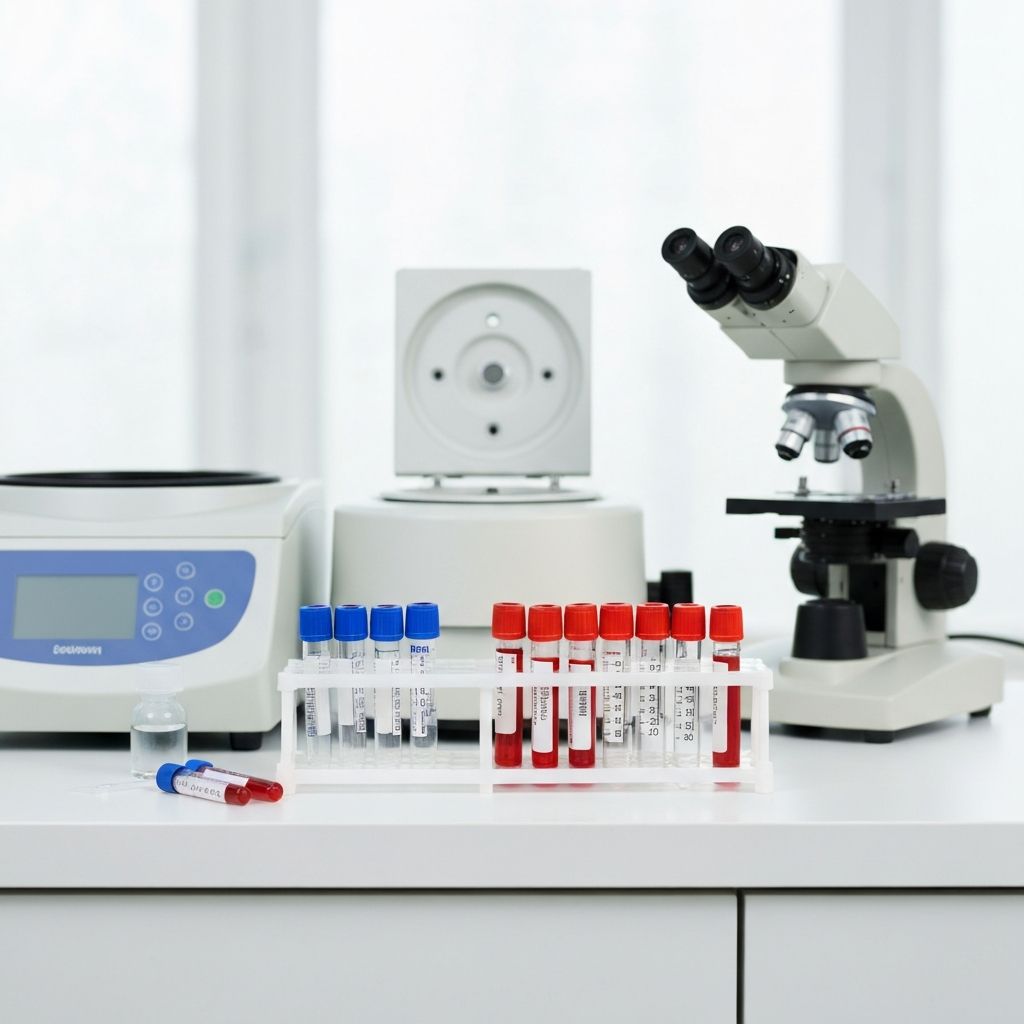
How Long Does Alcohol Stay In Urine? Detection Times Explained
Learn how long alcohol stays in urine, factors that affect detection times, types of tests used, and important health information you should know about.
Dr. Rachel Kim
Author
Understanding how long alcohol remains detectable in urine matters for various situations including employment testing, legal proceedings, medical assessments, and personal health awareness. Detection timeframes vary considerably based on consumption patterns, individual physiology, testing methodology, and numerous other factors. Gaining accurate information about alcohol metabolism and detection helps individuals make informed decisions while avoiding misconceptions common in popular discussions.
The Basic Timeline for Alcohol Detection in Urine
Standard urine alcohol tests typically detect alcohol for approximately twelve to twenty-four hours after consumption. This detection window reflects how quickly the body processes and eliminates ethanol through normal metabolic pathways. For most social drinkers consuming moderate amounts, urine tests become negative within a day of last consumption, though individual variations exist significantly.
More sophisticated testing methods extend detection windows substantially beyond basic ethanol testing. Ethyl glucuronide tests, commonly called EtG tests, detect alcohol metabolites for seventy-two hours or longer after consumption. These advanced tests identify biomarkers that persist long after ethanol itself has been eliminated, providing extended detection capabilities for situations requiring stricter monitoring.
Heavy drinking produces longer detection windows than light consumption due to the higher total alcohol quantities requiring metabolism and elimination. Chronic heavy drinkers may show positive results for considerably longer than occasional drinkers consuming equivalent amounts during single episodes. The body requires time to process alcohol fully, with heavier loads naturally requiring extended metabolism periods.
How the Body Processes Alcohol
Alcohol metabolism occurs primarily in the liver through enzymatic processes converting ethanol into acetaldehyde and then acetate before final breakdown into carbon dioxide and water. This metabolic pathway proceeds at relatively consistent rates, typically processing approximately one standard drink per hour in average adults. Individual variations affect these rates significantly based on genetics, liver health, and numerous other factors.
The kidneys filter alcohol metabolites and excrete them through urine alongside waste products from normal cellular processes. As alcohol levels in blood decrease through liver metabolism, urine concentrations also decline following somewhat delayed patterns. This delay occurs because urine collects in the bladder continuously, mixing previously produced urine with newly filtered blood.
Approximately ten percent of consumed alcohol exits the body unchanged through breath, sweat, and urine, while ninety percent undergoes liver metabolism. This unchanged portion creates the basis for breathalyzer tests measuring breath alcohol concentration, while complete metabolism produces the detectable metabolites used in extended-detection urine tests.
Factors Affecting Alcohol Detection Times
Individual metabolism rates vary substantially between people based on genetic factors, age, gender, body composition, and liver health. People possessing specific genetic variants metabolize alcohol faster or slower than average, creating substantial differences in how long alcohol remains detectable in their systems. These genetic differences explain why different individuals respond dramatically differently to similar alcohol consumption.
Body weight and composition affect alcohol distribution throughout tissues and resulting blood concentrations. Larger individuals typically achieve lower blood alcohol concentrations from equivalent drinking amounts compared to smaller people, producing shorter detection windows overall. Body fat percentages also matter since alcohol distributes through body water rather than fat tissues.
Food consumption during or before drinking substantially slows alcohol absorption, extending apparent intoxication periods while potentially shortening detection windows. Drinking on empty stomachs produces rapid absorption creating higher peak levels but potentially faster overall elimination. Hydration status also affects urine alcohol concentrations and detection outcomes.
Types of Alcohol Urine Tests
Standard ethanol urine tests detect the presence of alcohol itself through direct measurement techniques. These basic tests prove useful for recent consumption detection but become negative relatively quickly as the body eliminates alcohol through metabolism. Most workplace testing protocols use these standard methods due to their lower costs and adequate sensitivity for recent drinking.
Ethyl glucuronide tests represent more sensitive methodologies detecting alcohol metabolites rather than ethanol itself. EtG forms when the body processes alcohol, persisting in urine substantially longer than original ethanol. These tests detect even small amounts of drinking, sometimes identifying exposure from incidental contact with alcohol-containing products rather than intentional consumption.
Ethyl sulfate tests provide alternative metabolite detection similar to EtG approaches but measuring different chemical compounds. These tests offer additional confirmation options when initial screenings produce positive results requiring verification. Medical professionals and legal testing programs may employ multiple testing approaches to reduce false positive risks through redundant confirmation.
Common Misconceptions About Alcohol Elimination
Popular beliefs about speeding alcohol elimination through coffee, cold showers, or exercise lack scientific support despite widespread acceptance. These methods may help people feel more alert but do not accelerate actual alcohol metabolism or elimination rates. The liver processes alcohol at essentially constant rates regardless of external interventions.
Drinking large amounts of water dilutes urine potentially reducing detectable alcohol metabolite concentrations but does not actually eliminate alcohol faster from the body. Some individuals attempt dilution strategies hoping to produce negative test results, though modern testing often includes dilution detection that invalidates such manipulated samples.
Eating before or during drinking affects alcohol absorption but does not prevent alcohol detection or metabolism. Food may slow initial absorption creating lower peak levels, though total alcohol eventually reaches bloodstream unchanged regardless of eating patterns. The liver still must process all consumed alcohol through standard metabolic pathways.
Workplace Drug Testing Considerations
Employment alcohol testing typically follows specific protocols established through company policies and applicable regulations. Federal transportation workers face specific testing requirements under Department of Transportation rules, including random testing, post-accident testing, and reasonable suspicion testing procedures. Non-regulated workplaces establish their own testing approaches with varying strictness levels.
Pre-employment testing often includes alcohol screening alongside drug testing, with candidates expected to arrive substance-free. Post-employment random testing continues throughout employment in many positions, particularly those involving safety-sensitive functions. Understanding specific employer requirements helps candidates and employees maintain compliance with applicable policies.
Medical review officers typically evaluate positive test results, considering medical explanations, prescription medications, and other factors potentially affecting results. This review process helps distinguish legitimate positives from false positives stemming from dietary exposures, medical conditions, or testing errors. Employees facing unexpected positive results should request medical review of their specific circumstances.
Legal and Medical Testing Contexts
Driving under the influence cases frequently involve urine testing alongside breath and blood analyses to establish intoxication levels at various timepoints. Legal testing standards follow specific scientific protocols ensuring results meet evidentiary requirements for court proceedings. Challenging positive results requires technical expertise in testing methodology and chain of custody considerations.
Medical testing for alcohol use disorders typically employs extended-detection EtG tests providing longer assessment windows for treatment monitoring. These tests help clinicians evaluate patient compliance with abstinence agreements supporting recovery from alcohol dependence. Positive results inform treatment adjustments rather than serving punitive functions in properly designed programs.
Child custody and legal proceedings sometimes require alcohol testing as part of parenting evaluations or court orders. These legal applications typically follow specific protocols ensuring results meet admissibility standards while protecting tested individuals through proper procedures. Understanding applicable legal contexts helps individuals navigate testing requirements appropriately.
Health Implications of Detection Window Discussions
Beyond simple detection questions, understanding alcohol metabolism provides important health information about safe consumption patterns. The body processes approximately one standard drink per hour, meaning consumption exceeding this rate produces accumulating intoxication regardless of individual tolerance perceptions. Respecting metabolic limits prevents dangerous intoxication levels.
Daily heavy drinking patterns that keep alcohol continuously present in systems cause substantial long-term health damage including liver disease, cardiovascular problems, and cognitive effects. Extended detection windows after heavy consumption reflect body burdens exceeding healthy processing capacities, signaling consumption levels requiring reduction for health preservation.
Individuals concerned about alcohol consumption patterns benefit from professional consultation addressing both immediate detection questions and broader health implications. Medical professionals help evaluate drinking patterns objectively while providing evidence-based guidance about healthy consumption or treatment options when needed.
Conclusion
Alcohol typically remains detectable in urine for twelve to twenty-four hours using standard tests, while sensitive EtG testing extends detection windows to seventy-two hours or longer after consumption. Individual factors including metabolism rates, consumption amounts, hydration status, and testing methodologies all affect specific detection timeframes substantially. Understanding accurate information about alcohol elimination helps individuals navigate employment testing, legal proceedings, and personal health decisions effectively. Rather than seeking ways to defeat testing or mask consumption, individuals concerned about alcohol use benefit from honest self-assessment and professional support when needed. The science of alcohol metabolism remains fundamentally unchanged despite popular misconceptions, emphasizing responsible consumption and honest engagement with testing requirements when they apply.
Frequently Asked Questions
How can I improve my work-life balance?
Improve work-life balance by setting clear boundaries between work and personal time, prioritizing tasks using time-blocking techniques, learning to say no to non-essential commitments, and scheduling regular breaks and self-care activities.
More from Lifestyle
Continue exploring our curated collection of articles

Welding Shops Near Me: Services, Pricing, and Selection Tips
Find the best welding shops near you with tips on services offered, pricing ranges, choosing qualified welders, and common projects they handle daily.
Auto Repair Shops Transmission: Service and Cost Guide
A complete guide to finding trusted auto repair shops for transmission service, common warning signs, typical repair costs, and questions to ask.
Prices For Dental Veneers: Complete Cost Breakdown Guide
Explore the real prices for dental veneers including porcelain and composite options, insurance coverage, financing plans, and what affects overall cost.