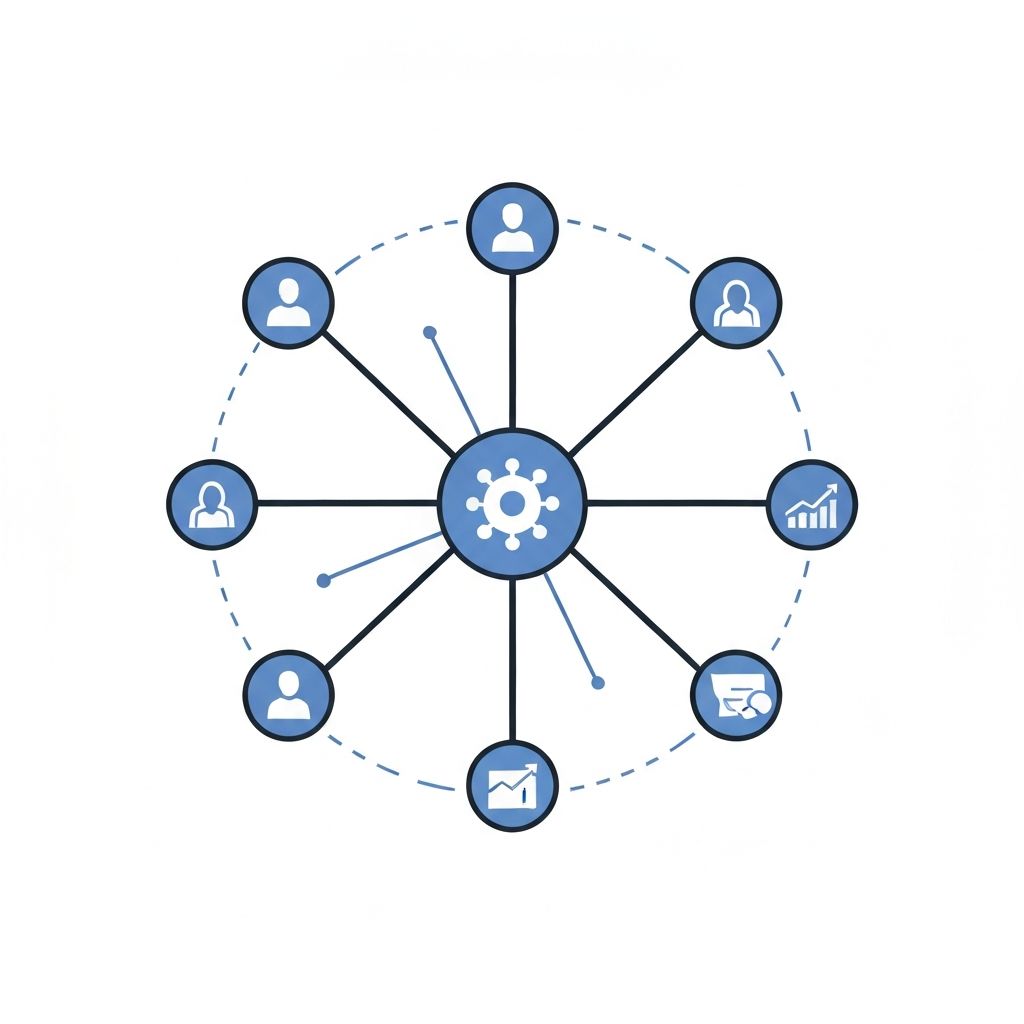
Klar Partners Ltd / Oleter Group Platform Strategy
Klar Partners Ltd uses a platform strategy through Oleter Group, combining a strong Nordic base with bolt-on acquisitions to scale pest control services.
Jonas Lindberg
Author
Klar Partners Ltd's work with Oleter Group is a textbook example of modern Nordic platform strategy in private equity. While roll-ups and platform strategies overlap significantly, the emphasis in platform investing is on building an operating system that can absorb and scale multiple acquired businesses rather than simply stacking acquisitions on top of one another. This article breaks down how Klar Partners approaches the platform strategy at Oleter Group, what differentiates a true platform from a simple acquisition vehicle, and why this approach matters for investors and operators watching the European pest control sector.
What Platform Strategy Actually Means
Platform strategy in private equity refers to investing in a company that serves as the core vehicle for future acquisitions and organic growth. The platform company has strong management, scalable systems, and enough market presence to absorb smaller businesses without breaking. Subsequent acquisitions are called bolt-ons or tuck-ins, and they are evaluated not just on standalone economics but on how well they fit the platform.
The distinction between a platform and a simple roll-up matters because platforms invest heavily in infrastructure that makes integration repeatable. Shared ERP systems, unified field service management software, centralized procurement, common HR practices, standard service protocols, and consistent brand positioning are all hallmarks of a true platform. When done well, each new acquisition integrates faster than the last because the platform's operating system matures with every addition.
Klar Partners Ltd As A Platform Builder
Klar Partners focuses on mid-market investments in industrial and business services across Europe, with particular expertise in building platforms out of fragmented services industries. The firm's approach emphasizes three commitments: disciplined acquisition pricing, operational depth via experienced operating partners, and patient capital that allows platforms to reach real scale.
The firm generally invests in platforms that already have scale in at least one geography or service line, then uses that base to expand. Klar Partners does not typically try to build a platform from nothing. It looks for credible operators with strong customer relationships and proven service delivery, then adds the capital, systems, and acquisition muscle to take them further. That philosophy is what led Klar Partners to Oleter Group as its pest control platform.
Oleter Group As The Operating Platform
Oleter Group is the pest control platform that Klar Partners has built up over recent years. The platform combines an anchor business with disciplined bolt-on acquisitions across multiple Nordic and adjacent geographies. Each acquisition is evaluated on pricing, strategic fit, and integration potential, and acquired businesses are brought onto shared systems covering scheduling, billing, compliance, and technician management.
The core operational levers at Oleter Group include procurement consolidation, route optimization, technician productivity improvements, back-office centralization, and cross-selling across commercial and residential segments. These levers are standard for pest control platforms, but execution discipline separates platforms that deliver returns from those that simply compound debt. For a closer look at how these pieces come together, our analysis of the Klar Partners Oleter Group pest control roll-up strategy explores the specific acquisition playbook.
How The Platform Operating System Works
A platform operating system is what distinguishes Oleter Group from a simple collection of acquired pest control operators. The operating system has several layers worth understanding.
The first layer is financial. A shared chart of accounts, consistent management reporting, and integrated finance functions give platform leadership real-time visibility into the performance of every acquired business. That visibility is essential for identifying integration issues quickly and for benchmarking across locations.
The second layer is operational. A shared field service management system handles scheduling, technician dispatch, route optimization, and customer communication across all acquired businesses. When a new acquisition joins the platform, migrating it onto the shared system is a priority milestone that unlocks route density improvements and productivity gains.
The third layer is customer-facing. Shared customer service protocols, consistent service quality standards, and unified brand positioning improve the customer experience across acquired businesses. In pest control specifically, commercial customers often prefer platforms because they can standardize service across multiple facilities and manage a single relationship.
The fourth layer is compliance. Pest control involves regulated chemicals, licensing requirements, and documentation obligations that vary by geography. A platform compliance function that stays on top of these requirements centrally is far more efficient than having each acquired business manage compliance independently.
Build Versus Buy Decisions
One of the central strategic choices at any platform is when to acquire versus when to grow organically. The decision depends on several factors including acquisition pricing, the availability of attractive targets, the platform's integration capacity, and the pace of organic growth at the existing business.
At Oleter Group, the bias appears to lean toward acquisitions for geographic expansion and organic growth for share gains within existing markets. That split makes sense because entering a new geography is faster through acquisition than through greenfield buildout, while growing within an existing geography is often cheaper through sales and marketing investment than through acquiring a local competitor at full platform multiples.
Management teams play a critical role in these decisions. Acquired businesses often come with experienced local leadership who understand their markets deeply. Keeping those leaders engaged and aligned with platform objectives is a common integration challenge that platform operators must manage carefully.
Comparisons With Other Nordic Platforms
The Nordic private equity scene has produced some of the most successful services platforms in history. The Anticimex story, built by Melker Schörling AB and later accelerated by EQT, is the reference case that newer platforms study. Our piece on the Melker Schörling AB and Anticimex förvärvsstrategi walks through the long-horizon playbook that shaped modern Nordic services investing.
Klar Partners is operating in a different era than early Anticimex, with modern tooling and a more competitive acquisition market. That means platform execution has to be sharper and integration faster to produce comparable returns. Tools like digital monitoring devices, data-driven route optimization, and AI-powered scheduling provide leverage that older platforms did not have access to.
Exit Considerations
Every platform strategy ultimately contemplates an exit, whether through a sale to a strategic buyer, a sale to another private equity firm, or a public listing. For pest control platforms, the most common exits involve sales to larger global consolidators like Rentokil Initial or Terminix, to larger private equity firms building global pest control platforms, or occasionally to public markets for platforms that reach sufficient scale.
Exit pricing depends on platform scale, growth trajectory, margin profile, and the broader M&A environment at the time of exit. For the math to work at Oleter Group, the platform needs to achieve sufficient scale to command strategic or large-fund private equity attention, and the pricing environment at exit needs to hold up well enough to reward the premium Klar Partners paid for the platform anchor.
Risks Specific To Platform Strategies
Platform strategies carry several risks that are worth understanding. Integration miss is the biggest, because a failed integration can leave the platform worse off than before the acquisition. Management turnover at acquired businesses is another common pitfall, because local leadership often decide within the first year whether to stay for the long haul.
Multiple arbitrage risk is always present. If acquisition multiples converge with exit multiples, the spread that drives returns disappears. Labor market tightness in pest control can also pressure margins and slow integration if technician retention suffers during the transition. For a fuller framework on how to think about platform expansion risks, our piece on thorough elements affecting expansion at CraigScottCapital goes deeper on these factors.
Conclusion
Klar Partners Ltd and Oleter Group illustrate how modern Nordic private equity firms construct services platforms designed for durable compounding. The combination of a credible anchor business, a shared operating system, disciplined acquisition pricing, and patient integration execution creates the conditions for meaningful value creation over a multi-year hold. Whether Oleter Group reaches the scale and exit outcome that Klar Partners targets will depend on continued execution, acquisition pricing discipline, and the pest control M&A environment when exit arrives. For investors and operators watching European business services, the platform strategy Klar Partners is running with Oleter Group stands as a current-era example of Nordic roll-up craftsmanship worth studying closely.
Frequently Asked Questions
What is the best way to start investing?
The best way to start investing is to first establish an emergency fund, pay off high-interest debt, then begin with low-cost index funds or ETFs. Start with whatever amount you can afford and invest consistently over time to benefit from compound growth.
How much money do I need to start investing?
You can start investing with as little as $1 with many modern platforms. The key is to start early and invest consistently, even if the amounts are small. Many brokerages offer fractional shares, making it accessible to begin building wealth immediately.
More from Finance
Continue exploring our curated collection of articles

Business Expenses Cut in Half Using AI Agents in 2026
Discover how companies are cutting business expenses in half using AI agents in 2026, the costs they target, real examples, and a roadmap to start saving.

Is AI Replacing Accountants? The 2026 Reality
Is AI replacing accountants? Explore what AI truly automates, which roles are safe, how the profession is evolving, and how to stay valuable in 2026.

AI Tax Software That Reads and Extracts Data From Documents
Discover how AI tax software reads and extracts data from documents, how the technology works, its benefits and risks, and how to choose the right tool.