Tech Giants Envision Future Beyond Smartphones
Discover how tech giants are envisioning a future beyond smartphones with AR glasses, AI wearables, and ambient computing reshaping daily digital life.
James Whitfield
Author
The smartphone revolution that transformed human interaction with technology over the past two decades may be approaching its mature stage as tech giants simultaneously develop replacement platforms that could fundamentally alter how people access digital services and interact with computing systems. Apple, Google, Meta, Microsoft, Samsung, and other major technology companies are investing billions of dollars developing alternative computing paradigms ranging from augmented reality glasses to ambient computing environments and wearable artificial intelligence devices.
The Emerging Post-Smartphone Landscape
Smartphones have dominated personal computing since Apple introduced the iPhone in 2007, establishing touchscreen interfaces, app ecosystems, and always-connected experiences as standard expectations. However, growing recognition of smartphone limitations including screen size constraints, attention fragmentation issues, and fundamental interaction model limits have motivated serious investment in alternative computing paradigms among leading technology companies.
Industry analysts predict the smartphone era may continue for another decade while complementary technologies gradually assume roles currently performed primarily through phones. This transition likely occurs gradually rather than through sudden replacement, with different technologies addressing specific use cases currently handled inadequately through smartphone interactions. Understanding this transition helps consumers and investors prepare for significant technological shifts ahead.
The companies investing most heavily in post-smartphone technologies recognize that next-generation computing platforms may eventually generate revenues comparable to or exceeding current smartphone businesses. This competitive dynamic drives substantial research and development investments producing prototype products and gradually refining concepts toward eventual commercial viability across mainstream consumer markets.
Augmented Reality Glasses and Smart Eyewear
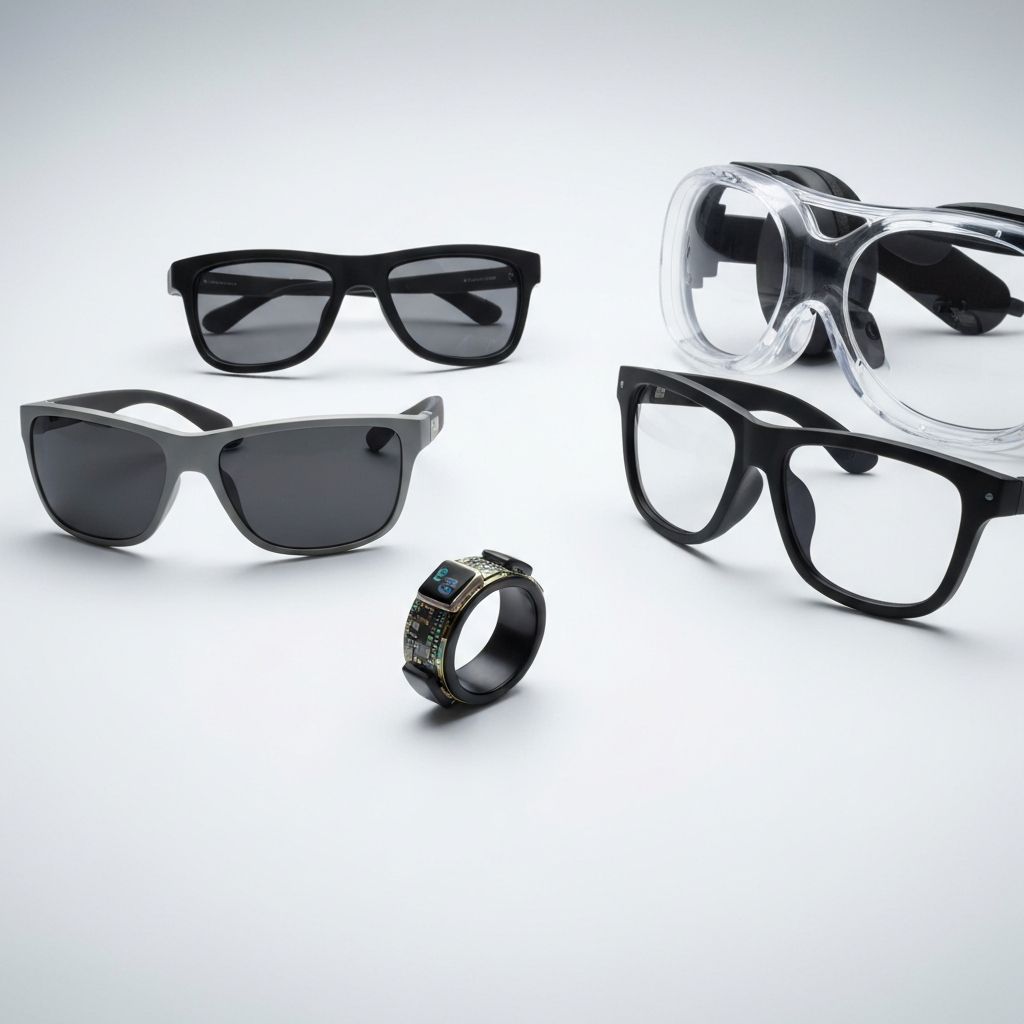
Augmented reality glasses represent perhaps the most publicized post-smartphone technology category, with Apple, Meta, Google, and Samsung all developing competing products at various development stages. These devices overlay digital information onto users' views of physical environments, enabling hands-free access to information, communications, and entertainment integrated naturally with daily activities.
Apple's Vision Pro headset launched earlier at premium price points, establishing initial market presence while acknowledging the device serves as a foundation platform rather than mass-market product. Apple reportedly continues developing lighter, more affordable glasses approaching traditional eyewear form factors rather than the substantial headset design of initial Vision Pro products. Mass-market acceptance requires dramatic form factor improvements beyond current technology capabilities.
Meta has invested heavily in smart glasses development through partnerships with Ray-Ban producing consumer-oriented products combining fashion appeal with limited computing capabilities. These early devices primarily support cameras, audio playback, and voice assistance without full augmented reality capabilities but establish important platform foundations for future feature expansion. Meta continues developing more sophisticated augmented reality systems for future consumer launches.
Artificial Intelligence Wearables
AI-powered wearable devices represent another emerging category with potential to reduce smartphone dependence significantly. Devices like Humane's AI Pin attempted pioneering these categories with voice-first interaction models using chest-worn devices projecting interfaces onto users' palms. While early commercial performance disappointed expectations, the underlying concept continues attracting development interest across multiple companies.
Rabbit's R1 device similarly explored AI-native form factors through pocket-sized units operating through large language models handling tasks traditionally requiring multiple smartphone applications. These devices envision futures where AI assistants handle complex tasks through natural language interaction rather than users manually navigating various applications. Current implementations remain limited, though underlying concepts suggest important future directions.
Major tech companies including Apple, Google, and OpenAI are reportedly developing various AI-focused wearable products at different development stages. Industry speculation suggests products ranging from AI-enhanced earpieces to wrist-worn devices to neck accessories could emerge across coming years as companies refine their visions and technical capabilities. The competitive race to establish post-smartphone AI platforms has intensified substantially.
Smart Rings and Minimal Wearables
Smart rings represent an increasingly serious wearable category offering health monitoring, notifications, and basic interaction capabilities through jewelry-sized form factors. Oura, Samsung, and other companies produce smart rings combining comfortable wearability with meaningful functionality including sleep tracking, activity monitoring, and stress measurement. These devices demonstrate possibilities for useful computing experiences without obvious technological appearance.
Samsung launched its Galaxy Ring providing health tracking capabilities through minimal form factors appealing to users wanting wellness monitoring without wrist-worn devices. Apple has reportedly considered smart ring development though has not yet launched commercial products in this category. The smart ring market continues growing rapidly as consumers seek comfortable alternatives to traditional smartwatches.
These minimal wearables illustrate important principles for post-smartphone computing including discreet design, specific use case focus, and comfortable all-day wearability. Successful post-smartphone devices likely incorporate similar design philosophies prioritizing practical benefits over flashy technological demonstrations visible to observers.
Ambient Computing Environments
Ambient computing envisions environments where technology integrates seamlessly into surroundings rather than requiring attention through dedicated devices. Smart homes with voice assistants, connected appliances, and automated systems demonstrate early ambient computing implementations, though current realities remain primitive compared to envisioned futures. Significant progress requires improvements in sensors, processing capabilities, and interoperability standards.
Google's and Amazon's voice assistant platforms continue expanding ambient computing capabilities through increasingly natural conversations and broader device integrations. These platforms handle growing task varieties through voice interaction without requiring users to pick up specific devices or navigate particular interfaces. Continued advancement in artificial intelligence capabilities promises substantial near-term improvements in ambient computing practicality.
Matter and similar interoperability standards gradually enable different manufacturers' products working together more reliably, reducing compatibility frustrations currently limiting smart home adoption. As these standards mature and more products support them, ambient computing experiences should become dramatically more practical and appealing to mainstream consumers beyond technology enthusiasts currently tolerating integration complexities.
The Role of Artificial Intelligence in Platform Transitions
Artificial intelligence advances enable fundamentally different computing interaction models compared to current smartphone applications. Large language models supporting natural conversation make voice interfaces dramatically more capable than previous generations, potentially reducing the need for visual interfaces in many situations. This capability expansion creates opportunities for voice-first and ambient computing experiences impossible with earlier technology.
Personal AI assistants remembering user contexts, preferences, and past conversations provide continuity across devices and interactions that current platforms lack. These AI capabilities could enable seamless transitions between different devices without requiring users to re-establish context repeatedly. The resulting experiences could feel fundamentally more personal and capable than current smartphone interactions.
Multimodal AI combining vision, voice, and contextual understanding creates possibilities for sophisticated interactions through simple wearable devices currently requiring full smartphones with complex applications. A future smart glasses wearer could ask questions about objects within view, receiving intelligent responses drawing on comprehensive knowledge bases and personal context without complex device interactions.
Apple's Post-Smartphone Vision
Apple continues developing multiple post-smartphone platform initiatives despite not publicly committing to specific successor strategies for the iPhone. The Vision Pro headset represents ambitious augmented reality platform development, while reported work on smart glasses, AI wearables, and various other form factors suggests broad experimentation across multiple potential directions.
Apple Intelligence features integrated across existing products provide foundations for more sophisticated AI-driven experiences potentially emerging on future platforms. These AI capabilities support both current iPhone enhancement and future platform development, allowing Apple to explore AI capabilities across user bases before committing to specific post-smartphone form factors.
Apple's approach typically involves extended development periods producing highly refined products rather than rapid iteration through imperfect early versions. This philosophy suggests substantial post-smartphone Apple products may not launch for several years while development continues toward achieving the quality standards Apple customers expect across all product categories.
Google's and Meta's Competing Strategies
Google approaches post-smartphone computing through multiple parallel initiatives including Android XR platform development, smart glasses partnerships, and continued voice assistant enhancement. Google's AI capabilities through Gemini provide strong foundations for next-generation interaction models across various device categories. The company's platform breadth enables experimenting with different form factors simultaneously.
Meta's substantial investments in virtual and augmented reality platforms positioned the company as a major player in post-smartphone computing despite business challenges during Reality Labs development. Meta's commitment to spatial computing platforms provides competitive advantages if these categories achieve mainstream adoption, though substantial continued investment requirements create ongoing financial pressures.
Both companies recognize that establishing dominant positions in emerging computing platforms could fundamentally reshape industry competitive dynamics for coming decades. Historical transitions between computing platforms created opportunities for some companies while diminishing others, with current investments representing bets about future platform outcomes.
Consumer Implications and Timing
Consumers interested in emerging post-smartphone technologies should recognize current products represent early platform development stages rather than mature replacement technologies. Purchasing decisions should balance interest in emerging technologies with realistic expectations about current capabilities and limitations. Early adopters accepting rough experiences help platform development while mainstream consumers benefit from waiting for more mature products.
Timing for broad smartphone replacement likely extends across multiple years through gradual transitions rather than sudden shifts. Consumers may gradually augment smartphones with complementary devices handling specific tasks better than phones, with smartphones eventually occupying smaller roles in overall computing experiences. This evolutionary path differs substantially from sudden replacement scenarios sometimes suggested by enthusiastic predictions.
Conclusion
Tech giants are actively developing multiple potential platforms that could eventually succeed smartphones as primary personal computing devices. Augmented reality glasses, AI-powered wearables, smart rings, and ambient computing environments each represent distinct visions for post-smartphone futures currently under active development by major technology companies. While no single technology has yet emerged as clear smartphone successor, substantial investments across categories suggest significant technological changes ahead during coming years. Consumers and industry observers should expect gradual rather than sudden transitions, with various technologies potentially coexisting while addressing different use cases better than current smartphones can. The coming decade promises substantial evolution in personal computing as emerging platforms mature from current prototype stages toward mass-market readiness, fundamentally reshaping how humans interact with digital services and information across daily life.
More from Technology
Continue exploring our curated collection of articles

SEO Computers: Choosing the Right Machine and Ranking a Computer Business Online
SEO computers explained two ways: the hardware specs that genuinely speed up SEO work, and how computer businesses rank for the searches that bring customers.

modern seo
How modern SEO actually works in the AI search era, based on 18 months of traffic data across 40 sites, including what stopped working and what never changed.

How AI Is Reshaping SEO and Content Marketing
Discover how AI is reshaping SEO and content marketing, from generative search and intent modeling to automated content workflows, E-E-A-T, and measurable results.