Bearded Dragon Food: The Complete Diet Guide for a Healthy Reptile
Discover the complete bearded dragon food guide covering safe vegetables, insects, fruits, and feeding schedules to keep your reptile healthy and thriving.
Dr. Megan Holloway
Author
Bearded dragons are among the most popular reptile pets in the world, and one of the biggest reasons new owners run into trouble is improper nutrition. Unlike cats or dogs, bearded dragons are omnivorous reptiles whose dietary needs shift dramatically as they age. Feeding the wrong ratio of plants to insects, or offering unsafe foods, can lead to long-term health issues such as metabolic bone disease, obesity, and impaction. This complete guide breaks down exactly what bearded dragon food should look like at every life stage.
Understanding the Bearded Dragon Diet
In the wild, bearded dragons forage across the arid landscapes of Australia, eating a wide variety of insects, leafy plants, flowers, and the occasional small vertebrate. Captive dragons need a similarly diverse diet to stay healthy. The general rule is simple: juveniles eat mostly protein, while adults eat mostly plants. A growing dragon under 12 months old typically consumes about 70% insects and 30% greens. Once they reach adulthood, this ratio flips, with around 70% greens and 30% insects.
Best Insects for Bearded Dragons
Live insects provide essential protein, fat, and enrichment. The best staple feeders include dubia roaches, crickets, black soldier fly larvae, and silkworms. Dubia roaches are particularly favored by experienced keepers because they offer a high meat-to-shell ratio and are easy to digest. Crickets are widely available but should be gut-loaded with nutritious vegetables for at least 24 hours before being offered.
Treat insects, such as superworms, hornworms, and waxworms, should only be fed occasionally. Waxworms in particular are very fatty and can quickly lead to obesity. Mealworms are often debated, since their hard exoskeletons may be difficult for younger dragons to digest, so many vets recommend skipping them until your dragon is fully grown.
Safe Vegetables and Greens
Leafy greens form the foundation of an adult bearded dragon's diet. Excellent daily staples include collard greens, mustard greens, turnip greens, dandelion greens, and endive. These provide calcium, fiber, and important vitamins without the goitrogens or oxalates found in less suitable greens.
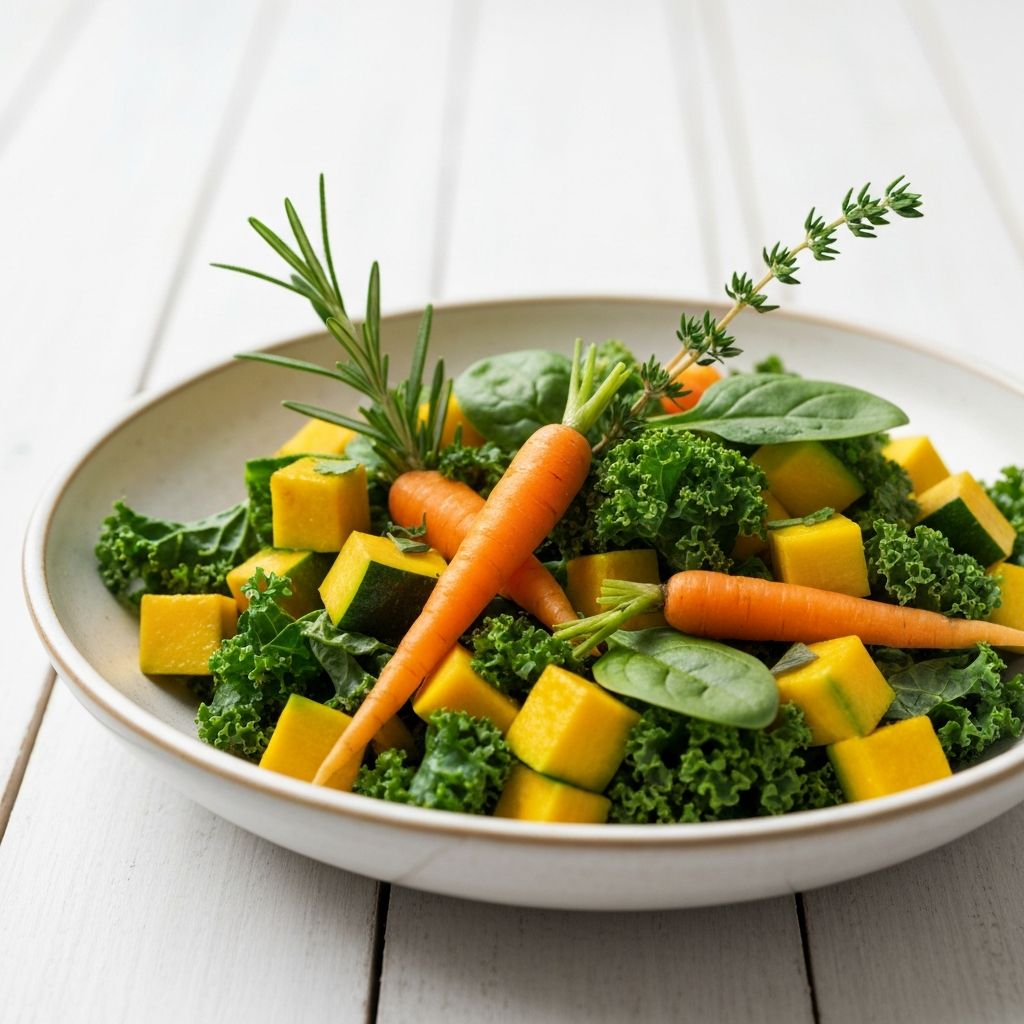
Vegetables that should only be offered occasionally include kale, spinach, and Swiss chard, since they bind calcium and can contribute to nutritional deficiencies if fed too frequently. Bell peppers, squash, green beans, and shredded carrots make excellent supplemental vegetables and add color and variety to a salad bowl.
Fruits as Occasional Treats
Fruits should make up no more than 10% of a bearded dragon's diet. The natural sugars in fruit can cause loose stools, weight gain, and even dental issues if fed in excess. Safe fruits include blueberries, raspberries, strawberries, mango, papaya, and small pieces of melon. Always offer fruit in tiny, manageable portions and remove any uneaten pieces from the enclosure within a few hours.
Foods to Always Avoid
Some foods are dangerous and should never be offered. Avocado is toxic to bearded dragons and can cause organ failure. Rhubarb contains oxalic acid that is poisonous in any quantity. Iceberg lettuce offers almost no nutrition and can cause diarrhea. Wild-caught insects must also be avoided since they may carry pesticides or parasites. Onions, garlic, and citrus fruits are similarly off-limits because they irritate the digestive tract.
Calcium and Vitamin Supplementation
Even a perfectly balanced diet usually needs supplemental calcium and vitamin D3, since indoor enclosures cannot fully replicate natural sunlight. Dust insects with a calcium powder several times per week and use a multivitamin once or twice a week. Always pair supplementation with a proper UVB light, since vitamin D3 is essential for calcium absorption.
Feeding Schedules by Age
Hatchlings under three months old need to eat insects three to five times per day, with fresh greens always available in the enclosure. Juveniles between three and twelve months should be fed once or twice daily, with insects given in the morning and greens left out throughout the day. Adult bearded dragons over a year old typically thrive on a daily salad and insects two to three times per week.
Hydration and Water Sources
Bearded dragons get most of their water from fresh vegetables, but a shallow water dish should still be available at all times. Many dragons enjoy bathing once or twice a week, which not only hydrates them but also encourages healthy shedding. Misting fresh greens lightly with water can also encourage drinking and add humidity to the meal.
Signs of a Healthy Diet
A well-fed dragon has bright, alert eyes, active behavior, smooth skin between sheds, regular bowel movements, and a plump but not overweight body. If your bearded dragon refuses food for more than a week, loses weight rapidly, or shows signs of weakness or tremors, schedule a visit with an exotic vet immediately.
Final Thoughts
Feeding a bearded dragon correctly is one of the most important responsibilities of ownership. By understanding their changing nutritional needs, offering a variety of safe insects and greens, supplementing properly, and avoiding harmful foods, you give your reptile the best possible chance at a long, healthy life. With consistency and care, your bearded dragon can thrive for ten years or more as a fascinating, interactive companion.
Frequently Asked Questions
What will I learn from this food guide?
Discover the complete bearded dragon food guide covering safe vegetables, insects, fruits, and feeding schedules to keep your reptile healthy and thriving.
More from Food
Continue exploring our curated collection of articles

Food And Beverage Industry Classification Examples
Comprehensive overview of food and beverage industry classifications, including restaurant types, food service segments, and industry regulatory frameworks.

Hot Dog At Costco Calories: Complete Nutrition Breakdown
Discover the complete calorie breakdown of Costco's famous $1.50 hot dog combo, including nutritional facts, ingredients, and healthier meal tips.

Dochos Concession And The Fishin Chicken Food Truck Tampa Fl
Explore the delicious offerings of Dochos Concession and The Fishin Chicken food truck in Tampa, Florida, featuring mouthwatering fried chicken, fresh seafood, and the vibrant food truck culture of the Tampa Bay area.