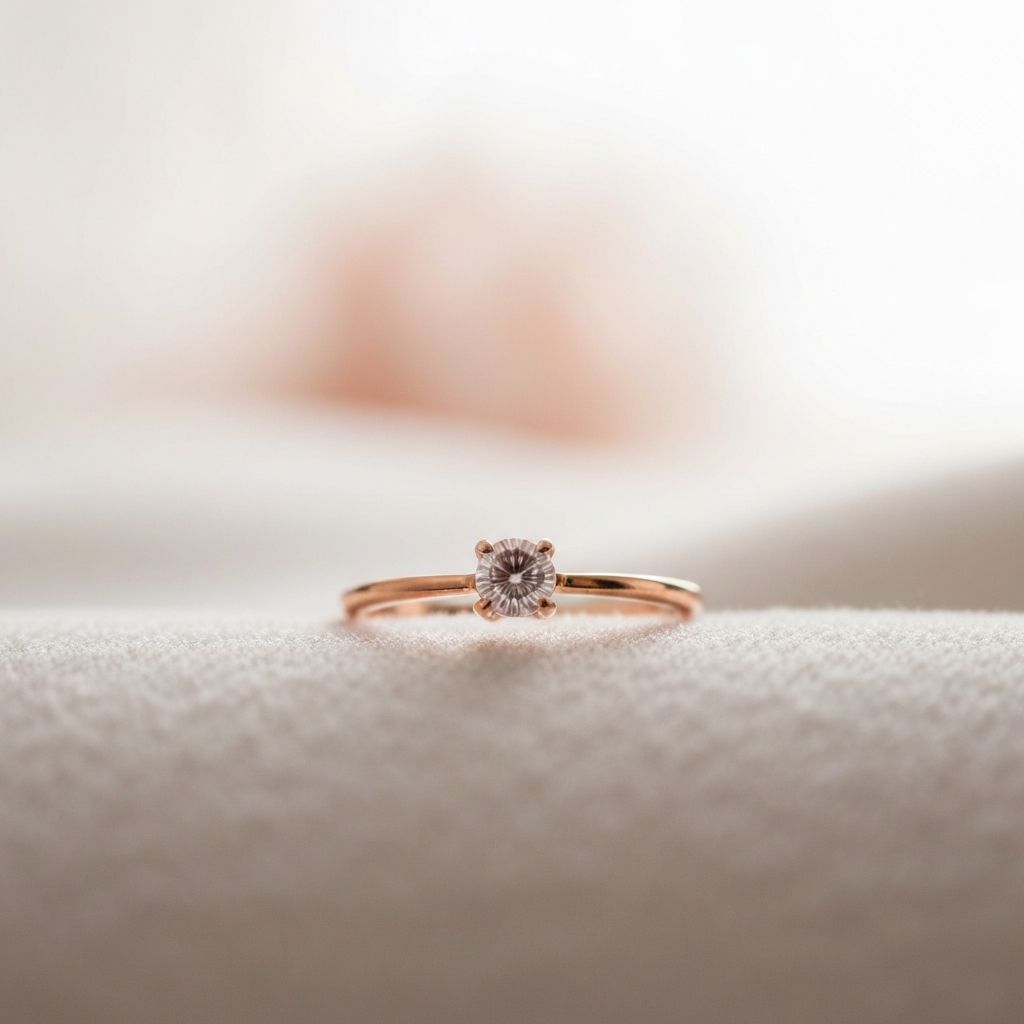
What Is A Promise Ring? Meaning, Traditions, and Complete Guide
Explore the meaningful tradition of promise rings including their history, significance, how they differ from engagement rings, and tips for choosing one.
Emma Richardson
Author
In the realm of romantic gestures and meaningful jewelry, few pieces carry as much sentimental weight as the promise ring. This beautiful tradition has evolved over centuries, representing commitment, love, and the promise of a shared future. Whether you're considering giving or receiving a promise ring, understanding its significance, history, and modern interpretations helps you appreciate this meaningful symbol of devotion.
The Meaning Behind Promise Rings
A promise ring represents a commitment between two people, symbolizing their dedication to each other and their relationship. Unlike engagement rings, which signify a formal agreement to marry, promise rings carry more flexible meanings that couples can define according to their unique relationship and circumstances.
At its core, a promise ring is exactly what its name suggests: a physical symbol of a promise. This promise can take many forms depending on the couple's situation, values, and relationship stage. For some, it represents a commitment to future engagement when the timing isn't quite right for marriage. For others, it symbolizes exclusive dating, faithfulness, or a pledge to remain devoted through challenging circumstances like long-distance relationships or extended separations.
The beauty of promise rings lies in their versatility of meaning. Couples have the freedom to assign whatever significance resonates with their relationship. Whether promising eternal love, commitment to personal growth together, or dedication to building a future, the ring serves as a daily reminder of that pledge.
Historical Origins of Promise Rings
The tradition of exchanging rings as symbols of commitment stretches back thousands of years, with promise rings having their own rich historical context.
Ancient Romans exchanged rings called "betrothal rings" to signify a promise of marriage, though these functioned more like modern engagement rings. The tradition of giving rings specifically as pre-engagement promises developed more recently, though related practices existed throughout history.
In the sixteenth and seventeenth centuries, "posy rings" became popular in England and France. These rings were engraved with romantic poems or phrases and given as tokens of love and devotion. While not identical to modern promise rings, they served similar purposes of expressing commitment and affection.
Acrostic rings emerged in the Georgian and Victorian eras, featuring gemstones whose first letters spelled words. A ring with a Diamond, Emerald, Amethyst, Ruby, Emerald, Sapphire, and Topaz would spell "DEAREST." These creative pieces allowed givers to express sentiments through the language of gemstones.
The modern promise ring tradition as we know it gained popularity in the twentieth century, particularly since the 1970s. As dating customs evolved and couples sought ways to express commitment before becoming formally engaged, promise rings filled this meaningful niche.
Promise Rings vs. Engagement Rings
Understanding the distinction between promise rings and engagement rings helps both givers and receivers set appropriate expectations and appreciate each piece's unique significance.
Engagement rings represent a specific commitment: the agreement to marry. When someone accepts an engagement ring, they're agreeing to become the giver's spouse. Engagement rings typically precede wedding ceremonies and mark the formal beginning of engagement period preparations.
Promise rings carry broader, more flexible meanings. They can represent commitment without necessarily implying impending marriage. A promise ring might be given when couples are too young for marriage, when they want to express commitment without being ready for engagement, or when they simply want a meaningful symbol of their relationship without the formal implications of engagement.
Design differences typically distinguish the two ring types. Engagement rings traditionally feature prominent center stones, often diamonds, in elaborate settings. Promise rings tend toward simpler designs, though there are no strict rules. They may feature smaller stones, simpler bands, or unique designs that hold personal meaning for the couple.
The wearing hand often differs as well. Engagement rings traditionally go on the left ring finger in many Western cultures. Promise rings may be worn on any finger, though the right ring finger is a popular choice, keeping the left ring finger available for future engagement and wedding rings.
When to Give a Promise Ring
Timing a promise ring gift involves considering relationship stage, circumstances, and what the ring will represent for your specific situation.
Younger couples often exchange promise rings when they feel strong commitment but aren't ready for marriage due to age, education, or other factors. High school or college couples might give promise rings to symbolize their intention to stay together through transitions and changes.
Long-distance relationships often benefit from the tangible reminder promise rings provide. When couples are separated by geography for extended periods, a promise ring serves as a physical connection and daily reminder of their commitment during time apart.
Some couples exchange promise rings as a precursor to engagement when they know they want to marry but circumstances prevent immediate engagement. Financial constraints, career considerations, or family timing might delay engagement, but a promise ring allows couples to express their commitment in the meantime.
Anniversary milestones sometimes prompt promise ring gifts, particularly in relationships where marriage may not be planned. For couples who choose not to marry but want to symbolize their long-term commitment, promise rings offer meaningful alternatives to engagement and wedding rings.
Choosing the Perfect Promise Ring
Selecting a promise ring involves considering design, quality, personal preferences, and budget. The perfect ring reflects both the giver's intentions and the receiver's taste.
Style considerations should guide your search. Consider the recipient's existing jewelry preferences. Do they prefer classic, timeless pieces or more contemporary designs? Are they drawn to gold, silver, platinum, or rose gold? Do they wear delicate pieces or bolder statement jewelry? Matching the ring to their existing style ensures they'll want to wear it daily.
Gemstone options range widely from traditional diamonds to colorful alternatives. Birthstones add personal significance, while gemstones with specific meanings, like sapphires for loyalty or emeralds for faithfulness, can enhance the ring's symbolism. Some couples choose matching stones or complementary designs for coordinated promise ring sets.
Quality matters for a piece meant to be worn daily and treasured for years. Even with modest budgets, prioritizing well-made rings from reputable jewelers ensures durability and lasting beauty. Consider factors like metal quality, stone setting security, and overall craftsmanship.
Personalization options add meaningful touches. Engraving initials, dates, or meaningful phrases inside the band creates a private message between you. Custom designs incorporating meaningful symbols or combining elements that represent your relationship make the ring uniquely yours.
How to Present a Promise Ring
While promise ring presentations don't require the elaborate proposals associated with engagements, thoughtful delivery enhances the moment's significance.
Choose a meaningful setting that reflects your relationship. This might be where you met, a favorite shared location, or simply a quiet, intimate setting where you can express yourself without distractions. The setting should feel special without overwhelming the moment.
Prepare what you want to say. While spontaneity has its charm, planning your words ensures you communicate your intentions clearly. Explain what the ring represents to you, what promise you're making, and what you hope for your future together. This clarity prevents misunderstandings and helps the recipient understand the ring's significance.
Consider the presentation style that suits your relationship. Some couples prefer private, intimate moments for such exchanges. Others might choose to involve family or close friends. Know your partner's preferences for public versus private gestures.
Be prepared to discuss what the ring means for your relationship going forward. Your partner may have questions about timeline expectations, what this means for potential future engagement, and how you envision your relationship progressing. Open, honest conversation strengthens the meaning behind the exchange.
Wearing Promise Rings
How and where to wear promise rings varies by preference, culture, and practical considerations.
The right ring finger remains the most popular choice for promise rings in Western cultures, keeping the left ring finger available for future engagement and wedding rings. This placement clearly distinguishes the promise ring from engagement jewelry while still positioning it on a traditional ring finger.
Some people prefer wearing promise rings on the left ring finger initially, then moving them to the right hand upon receiving engagement rings. This approach allows the promise ring to maintain prominence until engagement while respecting traditional engagement ring placement.
Alternative fingers work perfectly well too. Index fingers, middle fingers, or even pinky fingers can showcase promise rings while avoiding any confusion about marital status. Some people prefer necklace chains for promise rings, keeping the symbol close to their heart.
Coordinating with other jewelry ensures promise rings complement existing pieces. Consider how the ring looks alongside watches, bracelets, and other rings the wearer regularly sports.
Promise Ring Etiquette
Navigating the social aspects of promise rings involves understanding common expectations and communicating clearly about intentions.
Discussing intentions beforehand prevents misunderstandings. While surprise elements can be romantic, ensuring your partner shares your understanding of what promise rings mean prevents awkward situations. Some partners might expect engagement when receiving a ring; others might not want any symbolic jewelry. Open conversation before purchase saves potential disappointment.
Explaining the ring to others may become necessary as friends and family notice new jewelry. Having a comfortable explanation ready helps navigate questions. You might simply say it represents your commitment to each other without providing extensive details if you prefer privacy.
Respecting the commitment remains essential. A promise ring, by definition, represents a promise. Taking that promise seriously honors both the symbol and your partner. If circumstances change and the relationship ends, handling the ring with respect, whether returning it or discussing what happens to it, maintains dignity for both parties.
Modern Interpretations and Alternatives
Contemporary couples continue evolving promise ring traditions to suit their unique relationships and values.
Non-romantic promise rings have gained popularity, with friends exchanging rings to symbolize lifelong friendship commitments. Parents sometimes give promise rings to children, representing their promise of eternal love and support.
Alternative jewelry serves promise ring functions for those who prefer other accessories. Promise bracelets, necklaces, or even matching watches can carry the same symbolic weight as rings while suiting different preferences.
Self-promise rings represent commitments to oneself, perhaps pledging personal growth, sobriety, self-love, or other individual goals. These rings remind wearers of their commitment to themselves and their personal journeys.
Conclusion
Promise rings carry beautiful significance as symbols of commitment, love, and shared futures. Whether representing pre-engagement devotion, long-distance relationship dedication, or simply a meaningful milestone in your romantic journey, these rings serve as daily reminders of the promises couples make to each other. Understanding the tradition's rich history, thoughtfully selecting the perfect ring, and meaningfully presenting it creates lasting memories and strengthens the bonds between partners. Whatever your promise ring represents, it becomes a treasured symbol of your unique love story.
Frequently Asked Questions
What will I learn from this lifestyle guide?
Explore the meaningful tradition of promise rings including their history, significance, how they differ from engagement rings, and tips for choosing one.
How can I improve my work-life balance?
Improve work-life balance by setting clear boundaries between work and personal time, prioritizing tasks using time-blocking techniques, learning to say no to non-essential commitments, and scheduling regular breaks and self-care activities.
More from Lifestyle
Continue exploring our curated collection of articles

Welding Shops Near Me: Services, Pricing, and Selection Tips
Find the best welding shops near you with tips on services offered, pricing ranges, choosing qualified welders, and common projects they handle daily.

Auto Repair Shops Transmission: Service and Cost Guide
A complete guide to finding trusted auto repair shops for transmission service, common warning signs, typical repair costs, and questions to ask.
Prices For Dental Veneers: Complete Cost Breakdown Guide
Explore the real prices for dental veneers including porcelain and composite options, insurance coverage, financing plans, and what affects overall cost.