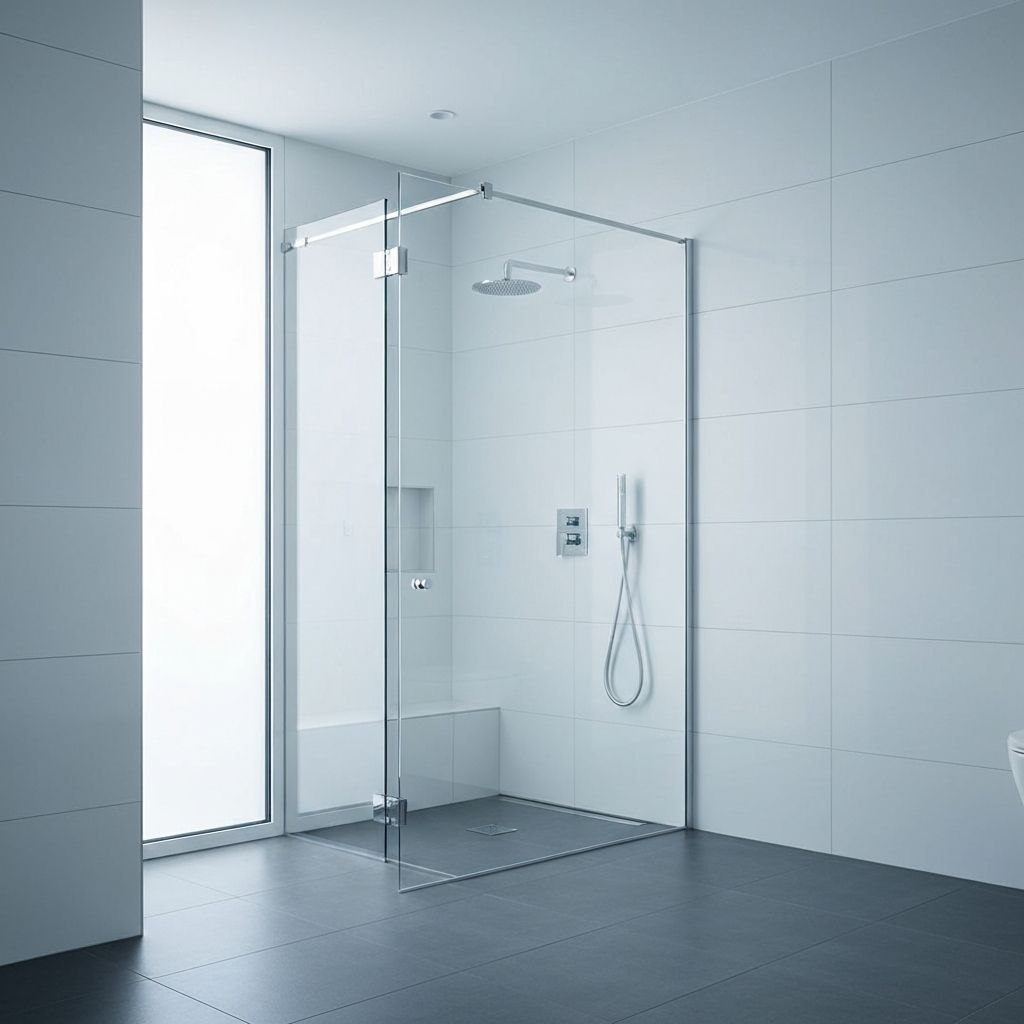
Sealing Roller Doors: Complete Guide To Weatherproofing And Installation
Complete guide to sealing roller doors for energy efficiency. Learn weatherproofing techniques, best sealing materials, and professional installation tips.
David Mitchell
Author
Roller doors are essential fixtures in garages, commercial buildings, and industrial facilities throughout the world. Like any mechanical installation, they require proper sealing to maintain energy efficiency, security, and protection against the elements. This comprehensive guide explores everything homeowners and business operators need to know about sealing roller doors effectively, from selecting appropriate materials to mastering installation techniques that ensure long-term durability.
Understanding Why Roller Door Sealing Matters
The importance of properly sealed roller doors extends far beyond aesthetic concerns. A well-sealed door provides crucial benefits that directly impact property value, operational costs, and overall comfort. Temperature regulation represents one of the most significant advantages, as properly sealed doors prevent heated or cooled air from escaping while blocking external temperature fluctuations from entering the protected space.
Energy efficiency savings from adequate door sealing can be substantial, particularly in climates with extreme temperatures. Homeowners often find that addressing gaps around their roller doors reduces heating and cooling costs by noticeable margins. In commercial settings where large roller doors operate frequently, the cumulative effect of proper sealing becomes even more pronounced, contributing to meaningful utility bill reductions over time.
Beyond thermal considerations, sealed roller doors provide essential protection against water infiltration. Rain, snow, and ground moisture can cause extensive damage to interior spaces, stored items, and flooring if allowed to penetrate around door perimeters. Proper sealing creates a barrier that keeps these moisture sources at bay, preserving the integrity of structures and contents within.
Identifying Common Gap Locations
Understanding where gaps typically form around roller doors helps focus sealing efforts on the most problematic areas. The bottom of the door, where it meets the ground, represents one of the most common leak points. As doors age, the bottom seal often deteriorates or develops uneven contact with the floor surface, creating gaps where air, water, and pests can enter.
Side channels where the door travels also frequently develop sealing issues. These vertical tracks must accommodate smooth door movement while maintaining a tight seal when closed. Worn tracks or damaged side seals allow significant air infiltration along the full height of the door opening. Similarly, the top of the door, where it curves into the ceiling or meets the header, can develop gaps as components shift or seals compress over years of use.
Corner junctions where bottom, side, and top seals meet pose particular challenges for achieving complete sealing coverage. These intersection points often require specialized attention and may need custom-fitted pieces to ensure comprehensive protection. Regular inspection of these vulnerable zones helps identify developing problems before they worsen and cause significant issues.
Selecting Appropriate Sealing Materials
The market offers numerous sealing products designed for roller door applications, each suited for specific conditions and performance requirements. Bottom door seals typically utilize flexible rubber or thermoplastic elastomer materials that compress when the door closes against the floor. These seals must withstand repeated compression cycles while maintaining their shape and sealing effectiveness over extended periods of continuous use.
Brush seals offer excellent performance for side channels and applications where uneven surfaces prevent conventional rubber seals from maintaining contact. The dense bristles conform to irregular gaps while blocking air, dust, and small debris. These seals work particularly well in industrial settings with concrete floors that may have minor variations in levelness or surface texture.
Weatherstripping foam tapes provide convenient solutions for less demanding sealing applications. These self-adhesive products can quickly address minor gaps without requiring extensive installation work. However, foam tapes generally lack the durability needed for high-use commercial applications where constant door operation would quickly degrade less robust materials over short timeframes.
Professional Installation Techniques
Proper installation determines whether sealing materials will perform effectively throughout their expected service life. Surface preparation represents the critical first step in any sealing project. All contact surfaces must be thoroughly cleaned to remove dirt, grease, and old adhesive residues that would prevent new seals from bonding properly. Wire brushes, degreasers, and appropriate cleaners help ensure clean substrates for successful installation outcomes.
Accurate measurement before cutting sealing materials prevents waste and ensures proper fit. Measurements should account for the full length of each sealing surface, with additional allowance for trimming during final fitting. Taking measurements at multiple points along each edge identifies variations that might require custom adjustments during the installation process.
Cutting sealing materials requires sharp tools and careful technique to achieve clean edges. Dull blades produce ragged cuts that may compromise sealing effectiveness and create aesthetic issues. For bottom seals with U-shaped profiles, specialized cutting tools provide the clean straight cuts needed for proper mating with retainer tracks and secure installation.
Weather Considerations for Sealing Projects
Environmental conditions during installation significantly impact the long-term success of sealing projects. Temperature affects both the flexibility of sealing materials and the performance of adhesives used for installation. Most sealing products specify optimal installation temperature ranges that should be followed for best results and maximum bond strength.
Humidity conditions affect adhesive curing times and bond strength development. Extremely dry or extremely humid conditions may require special considerations, including extended setting periods before subjecting seals to normal operation. Installation in ideal conditions provides the best foundation for long-term sealing performance and durability.
Seasonal planning for roller door sealing projects can improve outcomes substantially. Spring and fall often provide the most favorable conditions, with moderate temperatures and humidity levels supporting optimal material performance. Winter installations may require heating the work area to achieve acceptable conditions, while summer installations should avoid direct sunlight that could overheat materials.
Maintenance and Long-Term Care
Regular inspection of roller door seals identifies problems before they escalate into major issues. Monthly visual checks during regular door operation can reveal developing gaps, worn surfaces, or damage that requires attention. Early intervention with repairs or replacements proves far more economical than addressing severe deterioration after extensive damage has already occurred throughout the system.
Cleaning sealing surfaces periodically removes debris and contaminants that could degrade materials or interfere with proper seal function. Mild soap solutions and soft brushes typically provide sufficient cleaning without damaging rubber or plastic components. Avoid harsh chemicals or abrasive cleaners that could accelerate material deterioration and shorten seal life.
Lubrication of sealing contact points may be appropriate for certain applications, though manufacturer recommendations should guide this decision. Silicone-based lubricants often work well with rubber seals, reducing friction and extending material life. Petroleum-based lubricants should generally be avoided as they can degrade rubber compounds over extended exposure periods.
Addressing Common Sealing Problems
Even well-installed seals eventually develop problems that require troubleshooting. Compression set, where rubber loses its ability to recover its shape after being compressed, represents a common aging issue. Once compression set develops significantly, replacement is the only effective remedy, as the compromised material cannot restore proper sealing contact with worn surfaces.
Tearing and cutting damage often results from operational issues rather than material defects. Misaligned doors, debris in tracks, or mechanical problems can all cause seals to fail prematurely. Addressing underlying causes prevents repeated seal failures and extends the service life of replacement materials significantly beyond initial expectations.
Gap development over time may indicate door alignment issues rather than seal failures. Roller doors can shift out of perfect alignment through normal use, weather-related building movement, or mechanical wear. Correcting alignment problems often restores proper seal contact without requiring complete seal replacement or expensive professional intervention.
DIY Versus Professional Installation
Budget-conscious homeowners can often complete roller door sealing projects themselves with modest investment in materials and basic tools. Quality bottom seals and side weatherstripping cost a fraction of professional installation services while providing substantial improvements in door performance. Online tutorials and manufacturer guides make do-it-yourself installation accessible to people with basic handyman skills and available time.
However, certain situations warrant professional involvement. Large commercial doors, complex multi-panel systems, or damaged door frames may require expertise beyond typical DIY capabilities. Professional installers bring specialized tools, access to higher-grade materials, and experience that can ensure optimal results for demanding applications in commercial or industrial settings.
Conclusion
Properly sealed roller doors provide lasting benefits including energy efficiency, weather protection, security enhancement, and pest control. Understanding sealing options, selecting appropriate materials, and applying correct installation techniques enables homeowners and business operators to achieve excellent sealing results. Whether tackling projects personally or engaging professional services, investing in quality roller door sealing represents a worthwhile improvement that pays dividends through reduced energy costs, extended equipment life, and improved overall property performance over many years of dependable service.
Frequently Asked Questions
What will I learn from this lifestyle guide?
Complete guide to sealing roller doors for energy efficiency. Learn weatherproofing techniques, best sealing materials, and professional installation tips.
How can I improve my work-life balance?
Improve work-life balance by setting clear boundaries between work and personal time, prioritizing tasks using time-blocking techniques, learning to say no to non-essential commitments, and scheduling regular breaks and self-care activities.
More from Lifestyle
Continue exploring our curated collection of articles
Welding Shops Near Me: Services, Pricing, and Selection Tips
Find the best welding shops near you with tips on services offered, pricing ranges, choosing qualified welders, and common projects they handle daily.
Auto Repair Shops Transmission: Service and Cost Guide
A complete guide to finding trusted auto repair shops for transmission service, common warning signs, typical repair costs, and questions to ask.

Prices For Dental Veneers: Complete Cost Breakdown Guide
Explore the real prices for dental veneers including porcelain and composite options, insurance coverage, financing plans, and what affects overall cost.