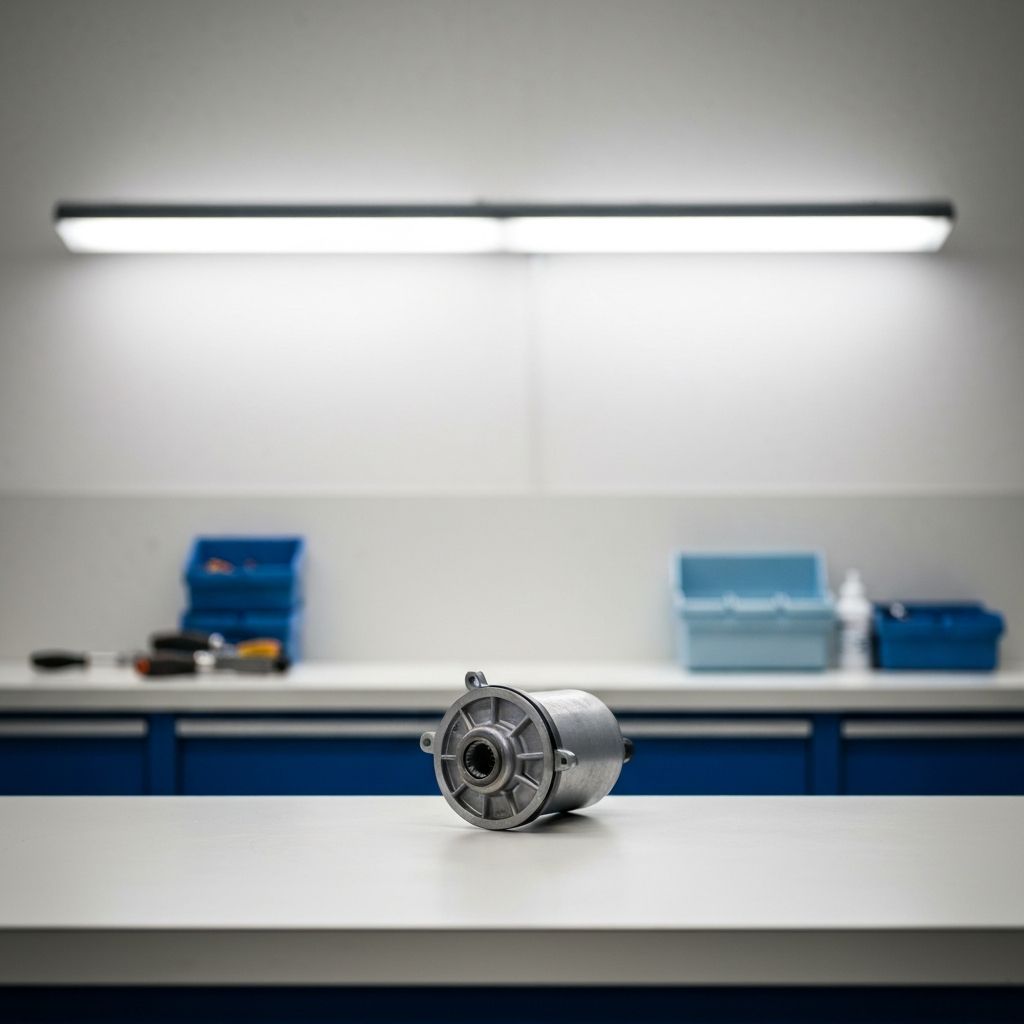
Auto Repair Shops Transmission: Service and Cost Guide
A complete guide to finding trusted auto repair shops for transmission service, common warning signs, typical repair costs, and questions to ask.
James Carter
Author
Transmission problems rank among the most serious and expensive automotive issues drivers can face, making the choice of repair shop critically important. Understanding how transmissions work, recognizing warning signs of developing problems, knowing what different services involve, and selecting a qualified auto repair shop can save thousands of dollars and prevent small issues from becoming major failures. Whether you suspect transmission trouble or want to prepare proactively for potential future issues, comprehensive knowledge transforms this intimidating topic into manageable information.
Understanding Vehicle Transmissions
A vehicle's transmission serves the critical function of transferring engine power to the wheels at appropriate speeds for driving conditions. Modern vehicles use several transmission types, each with distinctive characteristics affecting both operation and potential problems. Automatic transmissions remain the most common in North American vehicles, using sophisticated hydraulic systems and electronic controls to shift gears without driver intervention.
Manual transmissions, though less common, use driver-operated clutches and gear selectors for more direct control. Continuously variable transmissions, increasingly common in fuel-efficient vehicles, use belt and pulley systems providing infinite gear ratios rather than fixed gears. Dual-clutch transmissions combine elements of manual and automatic designs for performance applications. Electric vehicles typically use simpler single-speed reduction gears rather than traditional transmissions. Understanding your specific transmission type guides both maintenance and repair decisions.
Common Warning Signs of Transmission Problems
Early warning signs of transmission problems allow for less expensive intervention before complete failure occurs. Slipping gears represent one classic symptom, where the transmission appears to shift unexpectedly or the engine revs without corresponding acceleration. Delayed engagement, where the vehicle requires a noticeable pause after shifting into drive or reverse before actually moving, indicates internal problems requiring attention.
Transmission fluid leaks appear as red or brown spots on your driveway or garage floor, distinguishable from engine oil by their color and typically thinner consistency. Low transmission fluid levels cause various problems including overheating and eventual failure. Unusual sounds during shifting, including grinding, whining, or clunking noises, suggest internal wear or damage. Burning smells, particularly from transmission fluid, indicate serious overheating or contamination requiring immediate attention.
Additional Transmission Warning Signs
Rough or hard shifting suggests worn components, fluid contamination, or electronic control issues. Hesitation before gear engagement, particularly when cold, may indicate early-stage problems. Check engine lights or transmission warning lights appearing on the dashboard require professional diagnosis to identify specific codes and problems. The transmission's failure to shift into certain gears, either automatically or manually, indicates serious problems requiring immediate attention.
Vehicles that seem to lose power or accelerate sluggishly despite engine operation at normal RPM may be experiencing transmission slippage. Vibration during acceleration, particularly at specific speeds, sometimes indicates torque converter problems in automatic transmissions. These various symptoms should prompt professional evaluation rather than waiting for worsening problems that will cost substantially more to repair.
Types of Transmission Services
Auto repair shops offer several distinct services addressing different needs and problem severities. Transmission fluid changes represent basic maintenance, replacing old fluid with fresh fluid and typically replacing the filter if accessible. This service helps prevent problems by removing contaminants that accumulate over time. Most manufacturers recommend transmission fluid changes between thirty thousand and one hundred thousand miles depending on vehicle and use conditions.
Transmission flushes more thoroughly exchange old fluid for new through machines that force complete fluid exchange, including fluid in the torque converter that simple drain-and-fill services cannot reach. While somewhat controversial among automotive professionals with varied opinions about necessity, properly performed flushes can benefit vehicles with maintained fluid conditions. Vehicles with severely neglected fluid may experience problems following aggressive flushing, making honest assessment of vehicle condition important.
Transmission Repairs and Rebuilds
When problems exceed what fluid service can address, more substantial work becomes necessary. Transmission repairs address specific problems like fluid leaks, sensor failures, or specific component problems without complete transmission disassembly. These repairs typically range from several hundred to several thousand dollars depending on specific issues. Modern vehicles increasingly feature electronic transmission components that can be diagnosed and replaced individually.
Transmission rebuilds involve complete disassembly of the transmission, replacement of worn components, and reassembly with fresh seals, gaskets, and wear items. Rebuilds address internal wear that cannot be fixed through simpler repairs. Quality rebuilds restore transmission function comparable to original condition, though outcomes depend heavily on the rebuilder's skill and the quality of replacement components used. Rebuild costs typically range from two thousand to five thousand dollars depending on transmission type and rebuild quality.
Transmission Replacements
When rebuild costs approach or exceed replacement costs, or when specific transmissions have known reliability issues, complete replacement often makes better economic sense. Replacement options include new factory transmissions, remanufactured units, and used transmissions from salvage vehicles. Each option presents different cost and reliability profiles worth understanding before making decisions.
New factory transmissions cost the most but offer the longest expected service life and best warranty coverage. Remanufactured transmissions, professionally rebuilt to factory specifications with warranty coverage, cost less than new units while typically providing good reliability. Used transmissions offer the lowest initial cost but highest risk, with unknown prior service history and typically limited warranty coverage. Replacement costs range from three thousand dollars for less expensive vehicles to over ten thousand dollars for luxury or specialty vehicles.
Typical Repair Costs
Understanding cost ranges helps evaluate repair estimates. Transmission fluid changes typically cost between one hundred and two hundred fifty dollars depending on vehicle and fluid requirements. Transmission flushes cost somewhat more, usually between two hundred and four hundred dollars. External component repairs like sensor replacements or minor leak repairs typically range from two hundred fifty to one thousand dollars depending on complexity.
Major repairs, rebuilds, and replacements represent the most significant transmission-related expenses. Rebuilds average between two thousand and four thousand dollars for common vehicles, with complex or luxury applications costing substantially more. Complete replacements generally cost between three thousand and eight thousand dollars for typical vehicles, though luxury vehicles and specialized applications can exceed ten thousand dollars. Labor costs vary significantly by region, contributing meaningfully to overall pricing differences.
Finding Quality Transmission Repair Shops
Selecting a qualified shop dramatically affects repair outcomes. Specialty transmission shops typically offer deeper expertise than general repair facilities, though the best general shops handle transmission work competently through trained specialists. Certifications from the Automatic Transmission Rebuilders Association indicate commitment to transmission specialization and ongoing professional development. Automotive Service Excellence certifications in transmission specialization provide additional credibility.
Dealership service departments offer manufacturer-specific expertise, factory parts, and warranty considerations that can benefit newer vehicles still under warranty. However, dealership labor rates typically exceed independent shop rates substantially, making independent specialists often more cost-effective for out-of-warranty repairs. Chain transmission repair franchises provide standardized processes and multiple locations, though individual franchise quality varies significantly.
Evaluating Shop Reputation
Online reviews provide initial screening information, though individual reviews should be considered in context. Consistent patterns across many reviews matter more than individual extreme reviews in either direction. The Better Business Bureau ratings, Google reviews, Yelp, and automotive-specific review sites like RepairPal provide multiple perspectives on shop quality and customer satisfaction.
Personal recommendations from trusted sources carry significant weight. Friends, family, coworkers, and mechanics who service other vehicles can suggest shops with good reputations. Online automotive forums specific to your vehicle make or model sometimes identify shops with particular expertise in specific vehicles. When possible, visiting shops personally provides additional insight into cleanliness, organization, and customer service that affects repair experiences significantly.
Questions to Ask Potential Shops
Before committing to major transmission work, several questions help evaluate shop qualifications. Ask about specific experience with your vehicle make and model, as some transmissions have known problems requiring specialized knowledge. Request details about parts sources and warranty coverage on both parts and labor. Understanding diagnostic processes helps distinguish shops that perform thorough diagnosis from those that guess at problems.
Warranty terms deserve careful examination. Reputable shops provide clear warranty documentation covering both parts and labor for specified periods or mileage limits. Transferable warranties provide added value when selling vehicles. Road service provisions benefit drivers who travel frequently. Shops reluctant to provide written warranty documentation warrant skepticism. The highest quality shops stand behind their work with meaningful warranty coverage.
Getting Reliable Estimates
Multiple estimates help evaluate price reasonableness, particularly for major repairs. Three to five estimates from reputable shops provide meaningful comparison without becoming overwhelming. Estimates should specify exactly what work will be performed, what parts will be used, labor hours involved, and total pricing with breakdowns. Vague estimates or refusal to provide detailed breakdowns should raise concerns.
Estimates for the same problem sometimes vary dramatically between shops. Variations may reflect legitimate differences in proposed solutions, parts quality, or labor efficiency. Dramatic price differences warrant investigation rather than automatic selection of the lowest bid. The lowest price rarely produces the best value if work quality is substandard or if inappropriate corners are cut. The highest price does not guarantee quality either, making careful evaluation more important than simple price comparison.
Preventing Transmission Problems
Proper maintenance prevents many transmission problems or at least significantly extends transmission life. Regular fluid changes at manufacturer-recommended intervals remove contaminants before they cause damage. Proper fluid levels, checked regularly according to owner manual procedures, prevent the damage caused by low fluid operation. Using the correct fluid type specified by the manufacturer matters significantly, as incorrect fluids can cause damage.
Avoiding common damaging behaviors extends transmission life substantially. Completely stopping before shifting between drive and reverse prevents damage from shifting while moving. Avoiding extended operation in overdrive when towing or climbing prevents overheating. Allowing the transmission to warm up briefly before demanding performance prevents excessive wear on cold components. Towing within manufacturer specifications prevents overloading that damages transmissions over time.
When to Get a Second Opinion
Major repair recommendations warrant second opinions before proceeding. Recommendations for complete rebuilds or replacements costing thousands of dollars justify investing fifty to one hundred dollars for an independent diagnostic examination. Some problems can be misdiagnosed, and other shops may propose less expensive solutions addressing the actual issues. Honest shops welcome second opinions, recognizing that trust-building benefits long-term customer relationships.
Diagnostic fees for second opinions are typically non-refundable regardless of whether you use the second shop for actual repairs. This investment often pays for itself many times over when it identifies less expensive solutions or confirms that substantial repairs are genuinely necessary. Shops refusing to release vehicles until expensive repairs are authorized should be viewed with suspicion, as this pressure tactic indicates questionable business practices.
Conclusion
Auto repair shops for transmission work vary enormously in expertise, pricing, and customer service quality. Understanding warning signs of transmission problems, knowing major repair options, selecting qualified shops carefully, and maintaining your vehicle properly all contribute to successful outcomes when transmission work becomes necessary. While transmission repairs represent significant expenses, informed decisions protect both your financial investment and your vehicle's long-term reliability. Working with reputable specialists who provide detailed estimates and meaningful warranties transforms potentially traumatic repair experiences into manageable automotive maintenance. Regular maintenance and prompt attention to developing problems consistently prove less expensive than reactive major repairs, making transmission awareness a valuable skill for all vehicle owners.
Frequently Asked Questions
What will I learn from this lifestyle guide?
A complete guide to finding trusted auto repair shops for transmission service, common warning signs, typical repair costs, and questions to ask.
How can I improve my work-life balance?
Improve work-life balance by setting clear boundaries between work and personal time, prioritizing tasks using time-blocking techniques, learning to say no to non-essential commitments, and scheduling regular breaks and self-care activities.
More from Lifestyle
Continue exploring our curated collection of articles

Welding Shops Near Me: Services, Pricing, and Selection Tips
Find the best welding shops near you with tips on services offered, pricing ranges, choosing qualified welders, and common projects they handle daily.

Prices For Dental Veneers: Complete Cost Breakdown Guide
Explore the real prices for dental veneers including porcelain and composite options, insurance coverage, financing plans, and what affects overall cost.

House Foundation Repair: Signs, Methods, and Costs Guide
Learn about house foundation repair methods, warning signs of structural damage, average cost ranges, and how to hire qualified contractors properly.