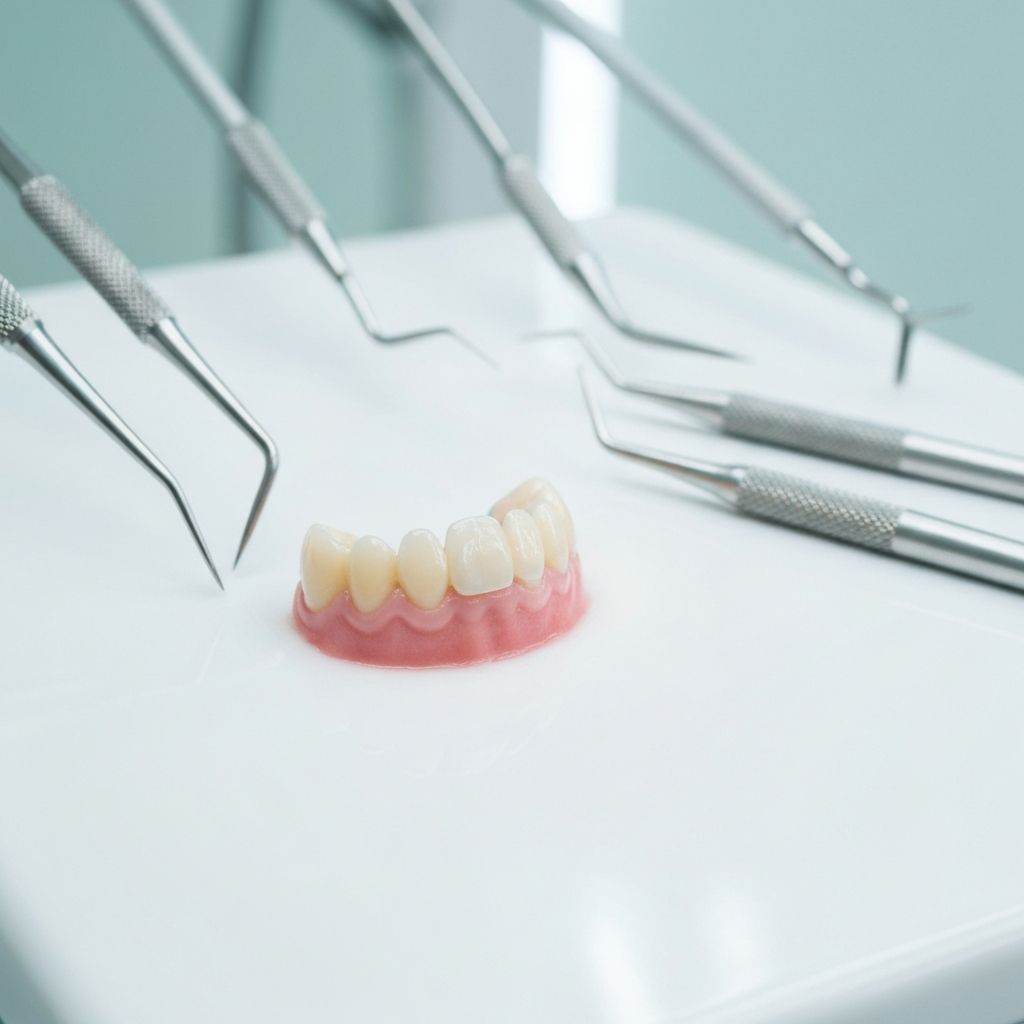
Prices For Dental Veneers: Complete Cost Breakdown Guide
Explore the real prices for dental veneers including porcelain and composite options, insurance coverage, financing plans, and what affects overall cost.
Dr. Andrew Matthews
Author
Dental veneers have transformed cosmetic dentistry by providing dramatic smile improvements through thin porcelain or composite shells bonded to tooth fronts. Understanding veneer pricing helps prospective patients budget effectively for these significant investments while making informed decisions between different material options and providers. Comprehensive cost awareness addresses both upfront expenses and long-term considerations affecting overall value.
Understanding Different Types of Dental Veneers
Porcelain veneers represent the premium veneer option, offering superior aesthetics, durability, and stain resistance compared to alternatives. These custom-fabricated shells typically last ten to fifteen years or longer with proper care, providing excellent long-term value despite higher initial costs. Porcelain's natural translucency closely matches tooth enamel appearance, creating remarkably realistic results.
Composite veneers provide more affordable alternatives applied directly to teeth during single office visits. These resin-based materials cost substantially less than porcelain while allowing immediate smile improvements without laboratory fabrication delays. However, composite veneers typically last five to seven years and show greater susceptibility to staining and chipping than porcelain alternatives.
Lumineers represent a specific brand of ultra-thin porcelain veneers requiring minimal tooth preparation before placement. These veneers appeal to patients concerned about enamel removal during traditional veneer procedures, though aesthetic limitations sometimes affect final results. Lumineers typically cost similar amounts to standard porcelain veneers while providing different specific benefits.
Average Price Ranges for Dental Veneers
Porcelain veneer costs typically range from one thousand to twenty-five hundred dollars per tooth across United States dental practices. Urban areas and premium cosmetic practices command higher fees than rural practitioners, with major metropolitan markets often exceeding these national averages considerably. New York, Los Angeles, and other expensive cities sometimes see veneer prices reaching three thousand dollars per tooth.
Composite veneers typically cost between two hundred fifty and fifteen hundred dollars per tooth, reflecting lower material costs and simplified procedures. Same-day application without laboratory fabrication reduces overall expenses while providing quicker smile improvements for budget-conscious patients. Regional price variations similarly affect composite veneer costs across different markets.
Full smile makeovers involving six to ten veneers produce substantial total costs easily reaching twenty thousand dollars or more for comprehensive porcelain treatments. Patients seeking complete smile transformations should plan for these substantial investments while exploring available financing options. Some patients spread treatment across multiple phases managing budgetary constraints over time.
Factors Influencing Veneer Costs
Geographic location dramatically affects veneer pricing across the country. Major metropolitan areas with high cost-of-living indexes consistently charge more than rural or suburban locations, reflecting higher business overhead including office space, staffing, and regional economic factors. Some patients travel considerable distances for more affordable veneer treatments while accessing comparable quality care.
Dentist experience and specialization influence fees significantly. Board-certified cosmetic dentists and prosthodontists with extensive veneer experience command premium rates compared to general dentists offering cosmetic procedures occasionally. This expertise differential typically justifies higher fees through superior outcomes and reduced complication risks.
Laboratory quality substantially affects porcelain veneer costs and outcomes. Premium dental laboratories employing master ceramists produce superior aesthetic results at higher prices, while discount laboratories may offer lower costs through overseas production or reduced quality control. Reputable dentists typically use established domestic laboratories ensuring consistent quality worth somewhat higher costs.
Insurance Coverage Considerations
Most dental insurance plans classify veneers as cosmetic procedures, excluding them from coverage entirely. Patients typically bear complete financial responsibility for veneer costs despite dental insurance enrollment. This exclusion applies to both porcelain and composite veneers in nearly all standard dental insurance policies.
Some exceptional circumstances may trigger limited insurance coverage when veneers address functional problems beyond cosmetic concerns. Severe tooth damage from trauma or certain dental conditions sometimes justifies veneer placement as restorative rather than cosmetic treatment. Working with dentists to document medical necessity occasionally secures partial insurance coverage.
Dental discount plans differ from traditional insurance while sometimes providing modest savings on veneer treatments. These membership programs negotiate reduced fees with participating dentists rather than covering procedures directly. Savings typically range from ten to thirty percent off standard fees, providing meaningful but limited cost reductions.
Financing Options for Dental Veneers
Third-party medical financing companies like CareCredit and LendingClub specialize in healthcare financing including cosmetic dental procedures. These financing options offer promotional periods with zero interest for qualified borrowers who pay balances within specified timeframes. Understanding financing terms completely prevents unexpected interest charges when promotional periods end.
Many dental practices offer in-house financing or payment plans allowing patients to spread veneer costs across months or years. These arrangements sometimes include interest charges while other practices offer truly interest-free payment plans as customer service features. Discussing financing options directly with prospective dental practices identifies available arrangements.
Health savings accounts and flexible spending accounts sometimes cover cosmetic dental procedures when participants have sufficient balances available. Tax-advantaged funds provide effective cost reductions equivalent to the tax savings on contributions, offering substantial effective savings for higher-income patients. Consulting tax advisors clarifies applicability for specific situations.
Additional Costs Beyond Initial Veneer Placement
Pre-veneer consultations sometimes incur fees though many practices offer complimentary initial consultations for prospective veneer patients. Comprehensive consultations include discussion of options, examination, and often initial imaging helping patients understand their specific situations and treatment options. Investment in quality consultation pays dividends through better decision-making.
Temporary veneers worn during porcelain fabrication periods sometimes generate additional fees beyond quoted veneer costs. These temporary coverings protect prepared teeth while laboratory work progresses, typically maintained for one to two weeks between preparation and final placement appointments. Understanding whether quoted prices include temporaries prevents billing surprises.
Maintenance and replacement costs affect long-term veneer economics considerably. Porcelain veneers eventually require replacement despite their durability, with replacements typically costing similar amounts to original placements. Composite veneers require more frequent replacement while offering lower per-replacement costs. Planning for eventual replacement helps patients understand lifetime investment requirements.
International Dental Tourism Considerations
Dental tourism to countries like Mexico, Costa Rica, Thailand, and Hungary offers substantial savings on veneer procedures, sometimes reducing costs by fifty to seventy percent compared to United States prices. These destinations feature qualified dentists often trained in American or European programs while maintaining dramatically lower business overhead than domestic competitors.
Travel logistics, accommodation costs, and follow-up care complications offset some dental tourism savings. Patients requiring adjustments or experiencing complications after returning home face difficulties accessing original providers, potentially requiring domestic correction work at full prices. Carefully researching specific clinics and planning follow-up arrangements improves dental tourism outcomes.
Quality varies considerably among international dental practices, making thorough research essential before committing to treatment abroad. Reputable international practices maintain standards comparable to domestic providers, though unscrupulous operations exist exploiting cost-conscious patients. Patient reviews, professional credentials, and facility inspections help identify reliable international providers.
Evaluating Veneer Providers
Selecting qualified dental veneer providers substantially affects both procedure costs and outcomes. Board certification in cosmetic dentistry, prosthodontics, or similar specialties indicates advanced training in aesthetic procedures. Extensive portfolios showing diverse successful cases demonstrate practical experience beyond credentials alone.
Patient reviews across multiple platforms provide valuable insights into actual patient experiences with specific providers. Look for consistent patterns rather than focusing on isolated reviews whether positive or negative. Recent reviews matter more than older feedback since practices can change significantly over time.
Consultation experiences reveal much about providers beyond their technical capabilities. Thorough, unhurried consultations addressing patient concerns and explaining options transparently typically indicate quality practices. Providers who pressure immediate decisions or provide inadequate consultation time may prioritize sales over patient care.
Conclusion
Dental veneer prices range substantially from approximately two hundred fifty dollars per tooth for basic composite options to over three thousand dollars per tooth for premium porcelain veneers in expensive markets. Understanding factors affecting costs including geographic location, provider experience, material choices, and laboratory quality helps patients make informed decisions about their cosmetic dental investments. While dental insurance typically excludes veneers as cosmetic procedures, various financing options make these transformative treatments accessible to more patients. Considering comprehensive costs including consultations, temporaries, and eventual replacement provides realistic budgeting for veneer treatments. Investing time in provider research pays substantial dividends through superior outcomes lasting many years. Ultimately, quality veneers provide lasting smile improvements that many patients consider among their best life investments, making thorough research and careful provider selection essential components of successful veneer experiences.
Frequently Asked Questions
What will I learn from this lifestyle guide?
Explore the real prices for dental veneers including porcelain and composite options, insurance coverage, financing plans, and what affects overall cost.
How can I improve my work-life balance?
Improve work-life balance by setting clear boundaries between work and personal time, prioritizing tasks using time-blocking techniques, learning to say no to non-essential commitments, and scheduling regular breaks and self-care activities.
More from Lifestyle
Continue exploring our curated collection of articles

Welding Shops Near Me: Services, Pricing, and Selection Tips
Find the best welding shops near you with tips on services offered, pricing ranges, choosing qualified welders, and common projects they handle daily.

Auto Repair Shops Transmission: Service and Cost Guide
A complete guide to finding trusted auto repair shops for transmission service, common warning signs, typical repair costs, and questions to ask.
House Foundation Repair: Signs, Methods, and Costs Guide
Learn about house foundation repair methods, warning signs of structural damage, average cost ranges, and how to hire qualified contractors properly.