What To Wear To A Funeral: Complete Dress Code and Etiquette Guide
Navigate funeral attire with confidence using our comprehensive guide covering traditional dress codes, modern variations, cultural considerations, and seasonal tips.
Margaret Stevens
Author
Attending a funeral is one of life's most solemn occasions, requiring thoughtful consideration of attire that appropriately honors the deceased while respecting grieving family members. Understanding funeral dress codes helps you focus on offering comfort and support rather than worrying about whether your clothing choices are appropriate. This comprehensive guide covers traditional expectations, modern variations, cultural considerations, and practical tips for dressing respectfully for memorial services.
Understanding Traditional Funeral Attire
Traditional funeral dress codes have evolved from centuries of mourning customs, with black clothing serving as the most universally recognized sign of respect for the deceased.
Black became associated with mourning in Western cultures during the Roman Empire and solidified as the expected funeral color during the Victorian era. Queen Victoria's prolonged mourning for Prince Albert established black as the definitive mourning color, a tradition that continues influencing expectations today.
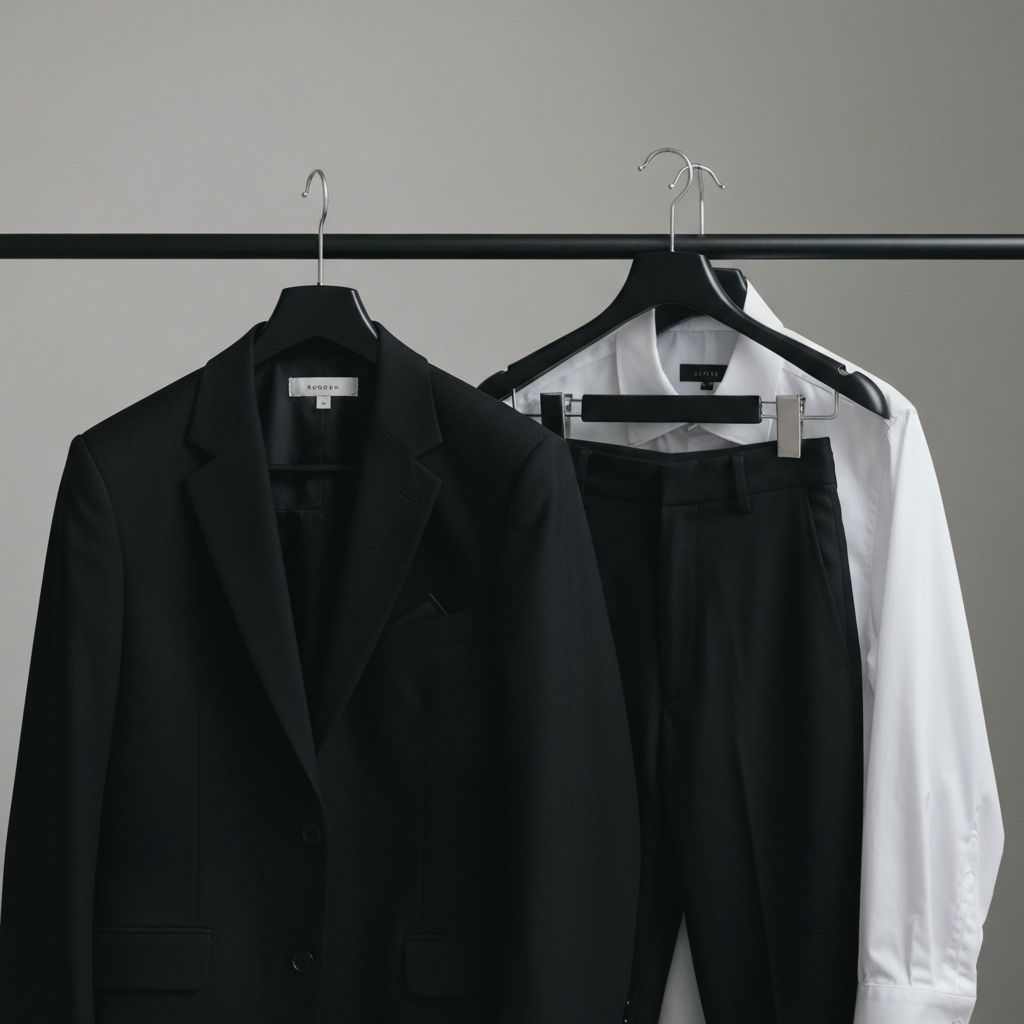
For men, traditional funeral attire includes dark suits in black, charcoal, or navy blue. A white or light-colored dress shirt pairs with a conservative dark tie. Black or dark brown dress shoes complete the outfit. This classic combination remains appropriate for nearly any funeral service regardless of denomination or setting.
For women, traditional options include black dresses, suits, or separates such as blouses paired with skirts or dress pants. Hem lengths should be modest, typically at or below the knee. Closed-toe shoes are preferred, with heels being optional but not too high. Simple, understated jewelry keeps the focus appropriately respectful.
Modern Funeral Dress Code Evolution
While traditional black remains safe and appropriate, modern funeral customs have become more flexible, reflecting changing attitudes toward death and celebration of life.
Many contemporary funerals now welcome dark, muted colors beyond black. Deep navy blue, charcoal gray, dark brown, forest green, and burgundy are generally considered appropriate alternatives. These colors convey respect while offering more variety than strict black-only requirements.
Celebration of life services, which focus on honoring the deceased's life rather than mourning their death, sometimes have different dress expectations. Some families specifically request colorful attire or clothing reflecting the deceased's personality or favorite colors. Always follow family guidance when provided.
Business formal or business casual attire has become acceptable at many contemporary services. Clean, pressed clothing in appropriate colors demonstrates respect even without strictly formal pieces. This evolution acknowledges that many people may not own traditional funeral attire.
What to Avoid Wearing
Understanding what not to wear is equally important as knowing appropriate choices.
Bright, flashy colors typically remain inappropriate unless specifically requested by the family. Neon colors, bold patterns, and attention-grabbing prints distract from the service's purpose and may appear disrespectful.
Casual clothing like jeans, shorts, t-shirts, and athletic wear generally fails to meet funeral dress standards. Even casual celebrations of life typically expect slightly elevated attire beyond everyday clothing.
Revealing clothing is inappropriate for funeral services. Avoid low-cut tops, short skirts, sleeveless dresses at more formal services, and clothing that reveals significant skin. Modest coverage shows respect for the solemn occasion.
Clothing with logos, slogans, or graphics draws inappropriate attention at funerals. Choose plain, solid-colored pieces without distracting design elements.
Overly trendy or fashion-forward pieces may seem out of place at funerals. While appearing put-together is important, the goal is respectful appropriateness rather than making fashion statements.
Dressing for Different Types of Services
Different service types may have varying dress expectations worth considering.
Church funerals in traditional denominations often maintain more formal expectations. Roman Catholic, Orthodox, and many Protestant churches appreciate conservative, formal attire. Women may want to have something to cover bare shoulders, and men should wear jackets when possible.
Graveside services may warrant practical considerations alongside respect. Weather exposure and walking on uneven ground suggest sturdy shoes and weather-appropriate layers while maintaining appropriate dress levels.
Memorial services held at non-religious venues may have slightly relaxed expectations while still requiring respectful attire. These services often occur days or weeks after death and may feel less formal than immediate funeral services.
Celebration of life events vary widely in expectations. Follow guidance from the family, but when uncertain, dressing nicely in dark or muted colors remains appropriate. You can always remove a jacket or accessory if the event proves more casual than expected.
Military funerals have specific protocols, including appropriate civilian attire for non-military attendees. Dark, formal clothing is expected, and flag-folding ceremonies and other traditions make respectful dress particularly important.
Cultural and Religious Considerations
Different cultures and religions have specific funeral attire traditions that visitors should respect.
Jewish funerals traditionally expect modest, conservative dark clothing. Men typically wear yarmulkes, which are often provided at the service. Women dress modestly with hemlines below the knee and shoulders covered.
Muslim funeral customs vary by community, but modest, conservative clothing is universally expected. Women should cover their heads with a scarf when attending mosque services. White is sometimes worn in certain Muslim communities rather than black.
Hindu funerals traditionally feature white clothing as the mourning color, though Western communities often accept dark attire from non-Hindu attendees. Removing shoes before entering the service area is typically required.
Buddhist funerals may involve white or black clothing depending on the tradition. Simple, modest attire shows respect. Some traditions involve specific rituals where appropriate clothing helps maintain the ceremony's sanctity.
African American funeral traditions often embrace more formal, elegant attire. Beautiful hats for women and well-tailored suits for men are common, with fashion playing a more prominent role than in some other traditions.
Seasonal Considerations
Adapting funeral attire for different seasons requires balancing comfort with appropriateness.
Summer funerals allow lighter-weight fabrics while maintaining modesty and formality. Linen suits, lightweight dresses, and breathable fabrics help manage heat while keeping appearances appropriate. Avoid anything too casual like sundresses or sleeveless tops for men.
Winter funerals require warm layers that still look appropriate. Dark wool coats, conservative scarves, and appropriate footwear for potentially icy conditions are practical considerations. Layers allow for temperature differences between outdoor and indoor portions of services.
Rain preparations should include umbrellas and appropriate footwear while maintaining respectful appearance. Dark raincoats over appropriate attire allow you to arrive looking pulled-together regardless of weather.
Practical Tips for Funeral Attendance
Beyond basic attire guidelines, practical considerations help you dress appropriately.
Comfort matters for services that may last several hours. Choose shoes you can stand and walk in comfortably. Select clothing that allows sitting comfortably in church pews or chairs without excessive restriction.
Prepare for multiple locations as services often include church, graveside, and reception components. Clothing that works across settings and weather conditions simplifies transitions.
Grooming completes your respectful appearance. Clean, neat hair and minimal, tasteful makeup for women show attention to the occasion. Men should be cleanly shaven or have well-groomed facial hair.
Minimal jewelry keeps focus appropriately somber. Simple pieces like wedding rings, small earrings, and understated watches are appropriate. Avoid flashy, noisy, or attention-grabbing jewelry.
Cover tattoos when possible, particularly at more traditional services. Clothing choices that cover extensive visible tattoos show sensitivity to older family members or conservative communities.
Children's Funeral Attire
Bringing children to funerals requires thoughtful attention to their clothing choices.
Dress children neatly in their best clothes in dark or muted colors. Church-appropriate clothing standards apply, meaning dressy but comfortable outfits they can sit quietly in.
Practical considerations acknowledge that children may struggle with very formal attire. Clean, neat clothing in appropriate colors is more important than perfectly formal pieces that create discomfort.
Bring layers or changes for younger children who may have accidents or spills. Having backup clothing allows you to maintain appropriate appearance throughout services.
What to Bring
Accessories and items to bring complement appropriate attire choices.
Handkerchiefs or tissues are practical items to have available. Dark-colored handkerchiefs maintain the appropriate color scheme while serving practical purposes.
Reading glasses if needed for following service programs should be readily accessible rather than requiring you to search through bags during the service.
A small, understated bag for women holds necessities without creating bulk or distraction. Men should ensure wallet and phone fit pockets without creating visible bulges.
Conclusion
Dressing appropriately for funerals demonstrates respect for the deceased and support for grieving families while allowing you to participate comfortably in memorial services. Whether following traditional black dress codes or adapting to more contemporary celebration of life expectations, thoughtful attention to attire helps focus your presence on what truly matters: honoring someone's life and comforting those who mourn. When uncertain about specific expectations, choosing conservative, modest, dark-colored clothing remains the safest approach for any funeral service.
Frequently Asked Questions
What will I learn from this lifestyle guide?
Navigate funeral attire with confidence using our comprehensive guide covering traditional dress codes, modern variations, cultural considerations, and seasonal tips.
How can I improve my work-life balance?
Improve work-life balance by setting clear boundaries between work and personal time, prioritizing tasks using time-blocking techniques, learning to say no to non-essential commitments, and scheduling regular breaks and self-care activities.
More from Lifestyle
Continue exploring our curated collection of articles

Welding Shops Near Me: Services, Pricing, and Selection Tips
Find the best welding shops near you with tips on services offered, pricing ranges, choosing qualified welders, and common projects they handle daily.

Auto Repair Shops Transmission: Service and Cost Guide
A complete guide to finding trusted auto repair shops for transmission service, common warning signs, typical repair costs, and questions to ask.

Prices For Dental Veneers: Complete Cost Breakdown Guide
Explore the real prices for dental veneers including porcelain and composite options, insurance coverage, financing plans, and what affects overall cost.