Best Cities To Visit In Spain: Ultimate Travel Guide
Discover the best cities to visit in Spain from Barcelona to Seville. Complete travel guide featuring highlights, culture tips, and must-see attractions.
Maria Gonzalez
Author
Spain captivates travelers with its rich tapestry of culture, history, architecture, and culinary delights spread across diverse regions each offering unique experiences. From the sun-drenched beaches of the Mediterranean to the lush green landscapes of the north, Spanish cities provide endless opportunities for exploration and discovery. This comprehensive guide explores the best cities to visit in Spain, helping travelers plan memorable journeys through this remarkable European country that blends ancient traditions with modern vitality.
Barcelona: The Crown Jewel of Catalonia
Barcelona stands as one of the most visited cities in Europe, and for excellent reason. This Catalan capital combines architectural wonders, cultural sophistication, and coastal charm in a package few cities can match worldwide. The city's most distinctive feature lies in the extraordinary works of Antoni Gaudi, whose fantastical buildings including the still-unfinished Sagrada Familia cathedral have become symbols of Barcelona known to travelers across the globe.
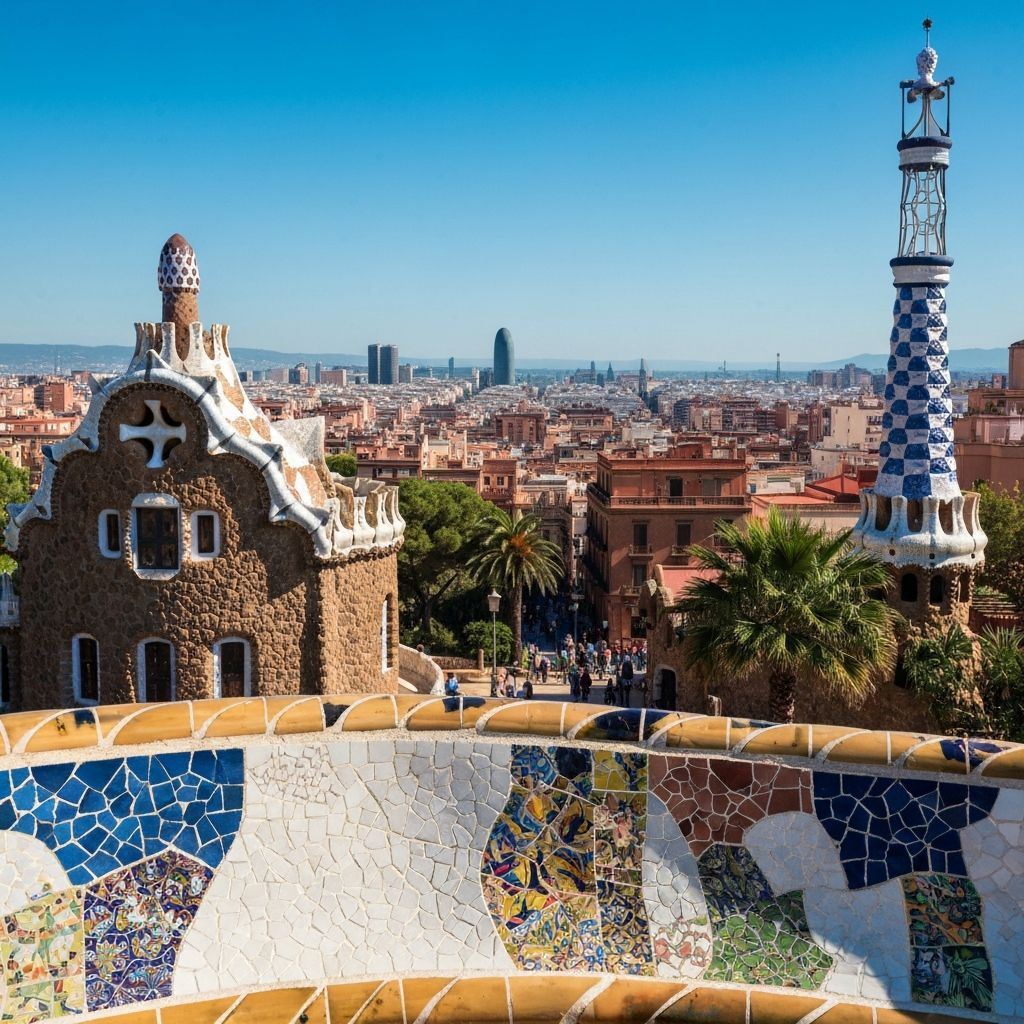
Walking through Barcelona reveals architectural treasures at every turn. Park Guell showcases Gaudi's colorful mosaic work and whimsical structures, providing panoramic views of the city and Mediterranean Sea beyond. Casa Batllo and Casa Mila demonstrate his innovative residential designs that still astonish visitors over a century after construction. The Gothic Quarter offers a completely different experience with medieval streets, historic plazas, and Roman ruins that tell stories spanning two thousand years of continuous urban life.
Beyond architecture, Barcelona excels in gastronomy, nightlife, and beach culture. Las Ramblas provides the iconic pedestrian avenue experience though locals often prefer the less touristic neighborhoods like Gracia and El Born for authentic Catalan dining. Barceloneta Beach offers Mediterranean swimming and seafood restaurants just minutes from the city center. This combination of urban sophistication and coastal relaxation makes Barcelona ideal for travelers seeking diverse experiences in a single destination.
Madrid: The Vibrant Spanish Capital
Spain's capital city pulsates with energy, culture, and political significance as the seat of national government and monarchy. Madrid's central location makes it an excellent base for exploring other Spanish regions while offering enough attractions to fill weeks of dedicated exploration. The city's famous art museums, elegant boulevards, and legendary nightlife attract visitors from around the world seeking authentic Spanish experiences in a genuine urban environment.
The Golden Triangle of Art, comprising the Prado Museum, Reina Sofia Museum, and Thyssen-Bornemisza Museum, houses world-class collections spanning centuries of European art. The Prado alone contains masterworks by Velazquez, Goya, and El Greco that justify a visit to Madrid on their own. Retiro Park provides peaceful escape from urban bustle with beautiful gardens, a boating lake, and the stunning Crystal Palace that hosts rotating art exhibitions throughout the year.
Madrid's culinary scene reflects Spanish traditions with modern innovation throughout the city. Mercado de San Miguel offers gourmet tapas in a beautifully restored historic market building, while neighborhoods like La Latina and Malasana provide authentic bars and restaurants favored by locals. The Spanish tradition of late dining means evening activities often extend until early morning, with tapas hopping followed by dinner around 10 PM and drinks or dancing continuing until dawn in many establishments.
Seville: Andalusian Passion and Tradition
Seville embodies the spirit of southern Spain with flamenco music, bullfighting traditions, Moorish architecture, and passionate cultural expression. This Andalusian capital city combines a rich historical heritage with the warmth of Spanish hospitality, creating an atmosphere that enchants visitors. The city gained tremendous wealth during Spain's golden age as the main port for trade with the Americas, leaving a legacy of magnificent buildings and cultural institutions throughout its streets.
The Alcazar of Seville stands as one of the oldest palaces still in use, featuring stunning Moorish and Mudejar architecture that inspired scenes in Game of Thrones. The adjacent Seville Cathedral, one of the largest churches in the world, contains Christopher Columbus's tomb and offers visitors the chance to climb La Giralda tower for panoramic city views. Plaza de Espana provides perhaps the most photographed location in Seville, with its semicircular plaza, tile work, and canal creating a stunning architectural ensemble.
Flamenco performances throughout Seville offer unforgettable cultural experiences showcasing the passionate dance and music form that originated in Andalusia. Authentic tablaos feature professional dancers whose skill and emotional intensity leave lasting impressions on audiences. The Triana neighborhood, traditionally associated with flamenco's origins, provides intimate venues where visitors can experience the art form in more personal settings away from larger commercial shows that cater primarily to tourist audiences.
Granada: Where Moorish Spain Lives On
Granada offers one of the most unique experiences in Spain through its incomparable Alhambra palace complex. This massive fortress and palace compound represents the pinnacle of Moorish architecture in Europe, containing intricate tile work, ornate stucco carvings, and serene courtyards that transport visitors to another era entirely. The Alhambra attracts visitors from around the world, making advance reservations essential for guaranteed access during peak travel seasons when demand exceeds available capacity.
The Albaicin neighborhood, situated on a hill facing the Alhambra, preserves the character of Granada's old Moorish quarter through narrow cobblestone streets and whitewashed houses. Walking through Albaicin reveals hidden plazas, artisan shops, and spectacular viewpoints where visitors can photograph the Alhambra against the backdrop of the Sierra Nevada mountains. The Mirador San Nicolas provides the most famous view, particularly spectacular at sunset when the Alhambra glows golden against darkening skies.
Granada's tapas culture differs from other Spanish cities in one delightful way: bars traditionally include free tapas with drink orders. This custom makes sampling various foods affordable and encourages bar-hopping through different neighborhoods. Calle Navas and Calle Elvira contain particularly concentrated tapas options, where visitors can enjoy generous portions of Andalusian specialties while experiencing genuine local atmosphere alongside residents enjoying their evening rituals in friendly neighborhood establishments.
Valencia: Home of Paella and Modern Marvels
Valencia combines traditional Spanish charm with futuristic architecture, beautiful beaches, and the distinction of being the birthplace of paella. This Mediterranean city offers excellent value compared to Barcelona and Madrid while providing equally rich cultural experiences throughout varied neighborhoods and districts. Valencia hosts major festivals including Las Fallas, the spectacular spring celebration featuring enormous sculptural monuments that are ceremonially burned on the final night.
The City of Arts and Sciences showcases contemporary architectural achievement at the highest level. This complex includes an opera house, planetarium, science museum, and Europe's largest aquarium, all designed by renowned architects Santiago Calatrava and Felix Candela. The striking white structures and surrounding turquoise pools create futuristic cityscapes that contrast beautifully with Valencia's historic center just minutes away by public transportation or pleasant walks through the Turia Gardens.
Valencia's old town contains magnificent examples of various architectural styles accumulated over centuries of Spanish history. The Valencia Cathedral claims to possess the Holy Grail, while the nearby Central Market provides one of Europe's largest fresh food markets housed in a gorgeous Art Nouveau building from the early 20th century. Sampling authentic paella in its birthplace represents essential Valencia experience, with local restaurants offering many variations beyond the seafood version commonly served elsewhere throughout Spain and abroad.
Bilbao: The Basque Cultural Renaissance
Bilbao transformed from industrial decline to cultural powerhouse through visionary urban planning centered on the Guggenheim Museum Bilbao. Frank Gehry's titanium-clad masterpiece opened in 1997 and immediately attracted international attention, sparking revitalization that spread throughout the Basque capital city. Today Bilbao combines industrial heritage with contemporary culture in ways that reward curious travelers willing to venture beyond more famous Spanish destinations to explore this unique region.
The Basque Country maintains distinct culture and language separate from broader Spanish traditions. Exploring Bilbao provides exposure to Basque cuisine, which many consider among the finest in the world. Pintxos, the Basque version of tapas, feature elaborate bite-sized creations displayed atop bars throughout the old town. Calle Somera and the surrounding streets contain countless pintxos bars where visitors can sample numerous small dishes while enjoying local Txakoli white wine poured from height into glasses below.
Bilbao's Old Town, called Casco Viejo, preserves medieval streets and historic buildings alongside modern shops and restaurants. The Ribera Market, recently renovated, provides beautiful settings for food shopping and dining. The Fine Arts Museum houses impressive collections including works by Goya, El Greco, and Velazquez in a less crowded alternative to Madrid's famous institutions. Day trips to nearby beach towns and coastal cliffs extend Bilbao-based visits into full Basque Country explorations.
Planning Your Spanish Journey
Spain rewards travelers who allocate sufficient time for authentic experiences rather than rushing between sites. Most cities deserve at least three full days, while Barcelona and Madrid can occupy weeks without exhausting their attractions. Combining two or three cities into a single trip provides variety while maintaining reasonable pace for genuine appreciation of each destination's unique character and cultural offerings.
High-speed trains connect major Spanish cities efficiently, making intercity travel quick and comfortable. The AVE network reaches speeds over 300 kilometers per hour on routes connecting Madrid to Barcelona, Seville, Valencia, and other major destinations. Advance booking provides significant discounts on train tickets, while Eurail passes offer flexibility for travelers planning multi-city itineraries across various regions of Spain and potentially into neighboring countries like France or Portugal.
Conclusion
Spain's best cities offer remarkable diversity packed into a single country, with each destination providing distinctive experiences that together showcase Spanish culture's incredible richness. Whether travelers seek Barcelona's architectural wonders, Madrid's artistic treasures, Seville's Andalusian passion, Granada's Moorish heritage, Valencia's beaches and paella, or Bilbao's cultural renaissance, Spain delivers unforgettable journeys for every interest. Planning carefully, allowing sufficient time, and embracing the Spanish lifestyle of late meals and evening vitality ensures maximum enjoyment of this extraordinary country's many treasures awaiting discovery.
Frequently Asked Questions
What will I learn from this travel guide?
Discover the best cities to visit in Spain from Barcelona to Seville. Complete travel guide featuring highlights, culture tips, and must-see attractions.
How do I plan a trip on a budget?
Plan budget travel by booking flights and accommodations in advance, traveling during off-peak seasons, using price comparison tools, choosing destinations with favorable exchange rates, and prioritizing experiences over luxury amenities.
More from Travel
Continue exploring our curated collection of articles

Budget Travel Tips For Expensive Cities In The USA
Smart budget travel tips for expensive USA cities like NYC, San Francisco, and Honolulu. Save big on lodging, food, transit, and top attractions easily.

Best Compact Camera For Travel: Top Picks For Modern Explorers
Best compact travel cameras of 2026. Lightweight picks from Sony, Canon, Fuji, and Ricoh for stunning photos, easy carry, and pro-level performance.

Best Places To Travel Solo Female In The US: Safe And Inspiring
Discover the best US destinations for solo female travelers. Safe cities, top adventures, and smart tips for confident, memorable trips in America.