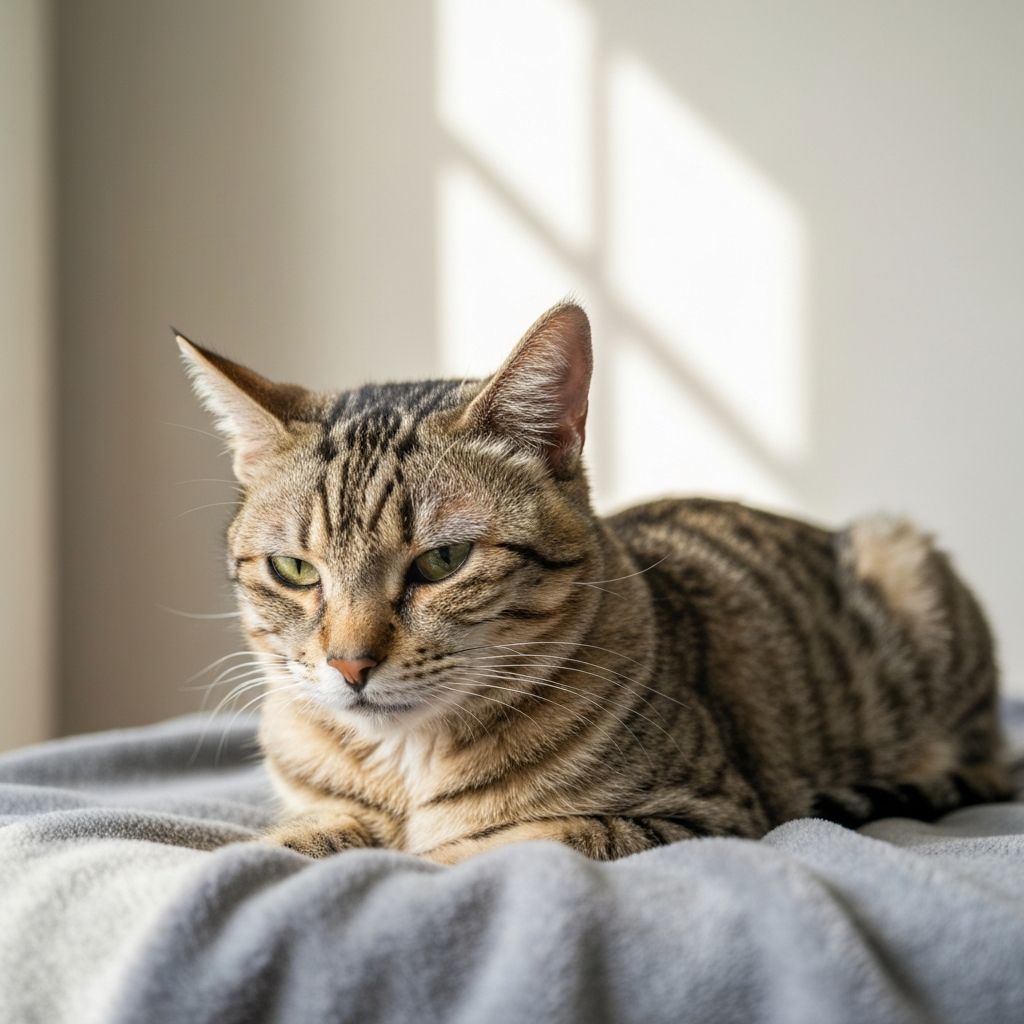
Why Is My Cat Vomiting: Causes, Symptoms And When To Worry
Understanding why your cat is vomiting. Common causes, warning signs, home remedies, and when to see a veterinarian for proper diagnosis and care.
Dr. Sarah Wilson, DVM
Author
Cat vomiting ranks among the most common concerns cat owners bring to veterinarians, and understanding this complex symptom helps pet parents provide appropriate care while recognizing when professional intervention becomes necessary. While occasional vomiting may represent a minor issue, frequent or severe episodes can indicate serious underlying health problems requiring prompt attention. This comprehensive guide explores the various causes of cat vomiting, warning signs that demand veterinary care, and strategies for supporting feline digestive health throughout your cat's life.
Distinguishing Vomiting from Regurgitation
Before exploring causes, cat owners should understand the important distinction between vomiting and regurgitation, as these different processes indicate different underlying issues. Vomiting involves active abdominal contractions that forcefully expel stomach contents through the mouth. Cats typically show signs of distress before vomiting, including restlessness, drooling, and making distinctive retching sounds that owners quickly learn to recognize.
Regurgitation occurs more passively, with food or liquid coming up without the abdominal effort characteristic of true vomiting. Regurgitated material usually appears less digested than vomit and may be tube-shaped if it came from the esophagus. Cats often don't show warning signs before regurgitating, which can make the event seem sudden. Understanding this distinction helps veterinarians narrow down potential causes when cat owners describe what they observed during episodes.
Hairballs, sometimes mistakenly classified as regurgitation, actually result from vomiting the contents of the stomach where hair has accumulated. The characteristic cylindrical shape of hairballs reflects their passage through the esophagus during vomiting episodes. While occasional hairball production is normal for grooming cats, frequent hairball vomiting may indicate excessive grooming, digestive issues, or insufficient fiber in the diet requiring attention from owners.
Common Causes of Cat Vomiting
Dietary issues rank among the most frequent causes of cat vomiting in otherwise healthy animals. Eating too quickly often leads to immediate vomiting as the stomach rejects excess food volume. Food intolerances or allergies can cause vomiting hours or days after consumption of triggering ingredients. Sudden diet changes without gradual transitions disrupt digestive systems, causing temporary vomiting until systems adjust to new foods or until owners return to familiar formulations their cats tolerated previously without problems.
Hairballs represent another common vomiting cause, particularly in long-haired breeds and cats that groom excessively. As cats clean themselves, loose hair gets swallowed and typically passes through digestive systems normally. However, when excessive hair accumulates in the stomach, it forms masses that cannot pass through smoothly, triggering vomiting episodes. Regular brushing and hairball prevention supplements help reduce these occurrences in susceptible cats throughout the year.
Foreign object ingestion causes sudden vomiting as cats attempt to expel items that shouldn't be in their digestive systems. String, plastic, small toys, plants, and numerous other objects may cause partial or complete intestinal obstructions requiring veterinary intervention. Linear foreign objects like string pose particular dangers, potentially cutting through intestinal walls as peristalsis moves them through the digestive tract. Emergency veterinary care becomes essential when suspected foreign object ingestion occurs in any cat household.
Medical Conditions Causing Vomiting
Gastrointestinal diseases encompass numerous conditions affecting cat digestion and potentially causing chronic or acute vomiting. Inflammatory bowel disease, common in cats, causes intestinal inflammation that frequently manifests through vomiting along with diarrhea and weight loss. Pancreatitis, inflammation of the pancreas, produces severe vomiting often accompanied by decreased appetite and abdominal pain. These conditions require veterinary diagnosis and ongoing management to ensure cats maintain reasonable quality of life.
Kidney disease represents a common cause of vomiting in older cats particularly, as accumulated toxins that healthy kidneys would filter out irritate digestive systems. Chronic kidney disease often progresses slowly, with vomiting becoming more frequent as the condition advances. Early detection through regular veterinary checkups including blood work helps identify kidney issues before significant symptoms develop, enabling management strategies that extend cats' quality life spans considerably beyond what would otherwise be possible.
Liver disease causes vomiting along with other symptoms including decreased appetite, weight loss, and jaundice in advanced cases. Various liver conditions affect cats including hepatic lipidosis, which develops when cats stop eating for extended periods and their bodies mobilize fat stores faster than livers can process. This serious condition requires immediate veterinary intervention with supportive care including nutritional support until liver function recovers sufficiently to handle normal metabolic demands.
Parasites and Infections
Intestinal parasites commonly cause vomiting along with other digestive symptoms in affected cats. Roundworms, tapeworms, and hookworms can all infest feline digestive systems, disrupting normal function and causing vomiting. Regular deworming, particularly for outdoor cats and kittens, helps prevent parasite infections that lead to various health problems including chronic vomiting that degrades quality of life and nutritional status over time.
Viral infections including feline parvovirus cause severe vomiting and diarrhea that can prove fatal without prompt treatment. Vaccinations protect against many serious viral infections, making current vaccination status important for cat health. Bacterial infections from contaminated food, water, or environmental exposure similarly cause digestive symptoms including vomiting, typically requiring antibiotic treatment to resolve completely without lingering effects on feline health.
Fungal infections, while less common than bacterial or viral causes, occasionally cause digestive symptoms including vomiting. Giardia and other protozoal parasites also contribute to feline vomiting, particularly in cats with compromised immune systems or those exposed to contaminated environments. Proper diagnosis through veterinary testing identifies specific pathogens, enabling targeted treatments that address underlying causes rather than just symptoms temporarily.
Toxin Exposure and Poisoning
Cats are particularly vulnerable to various toxins that can cause severe vomiting and other serious symptoms. Lilies, common in bouquets and gardens, are extremely toxic to cats, causing kidney failure from even small exposures. Onions, garlic, chocolate, grapes, and xylitol all cause various degrees of toxicity in cats, with vomiting often being among the earliest symptoms of poisoning exposure requiring immediate veterinary attention to minimize lasting harm.
Household chemicals including cleaning products, antifreeze, and certain medications pose serious poisoning risks to curious cats. Antifreeze contains ethylene glycol, which tastes sweet to cats but causes kidney failure within hours of ingestion. Even small amounts of human medications including acetaminophen and ibuprofen can prove fatal to cats. Keeping all potentially toxic substances secured away from cats prevents accidental exposures that could otherwise produce catastrophic outcomes.
Plants commonly kept indoors or in gardens may pose toxicity risks to cats who sample them. Besides lilies, plants including tulips, azaleas, rhododendrons, and oleander all contain compounds dangerous to cats. The ASPCA maintains comprehensive lists of toxic plants available online, helping cat owners identify potential hazards in their homes and gardens. Removing toxic plants or preventing access protects cats from exposure that could cause vomiting among other serious symptoms.
When to Seek Veterinary Care
Several circumstances surrounding cat vomiting warrant prompt veterinary attention regardless of other factors. Vomiting accompanied by blood, whether bright red or resembling coffee grounds, indicates potentially serious bleeding somewhere in the digestive tract requiring immediate evaluation. Persistent vomiting over more than twenty-four hours suggests an underlying issue that won't resolve without intervention. Vomiting combined with lethargy, refusal to eat, or changes in behavior signals more serious health concerns needing professional assessment.
Kittens, senior cats, and cats with existing health conditions require more prompt veterinary evaluation for vomiting than healthy adult cats. Young kittens become dangerously dehydrated quickly, with vomiting potentially causing serious complications within hours rather than days. Similarly, elderly cats and those with chronic conditions including diabetes or kidney disease need professional attention sooner since their reduced reserves leave less tolerance for additional stresses that vomiting creates on already compromised systems.
Frequent vomiting, even without obvious serious symptoms, warrants veterinary investigation. Research indicates that chronic vomiting in cats often indicates underlying disease including inflammatory bowel disease or lymphoma, contrary to earlier beliefs that regular vomiting was normal feline behavior. Early diagnosis and treatment of these conditions typically improves outcomes significantly compared to waiting until symptoms worsen dramatically before seeking professional veterinary care.
Home Care for Mild Vomiting Episodes
Healthy adult cats experiencing isolated vomiting episodes without other symptoms may benefit from simple home care approaches before determining whether veterinary visits are necessary. Withholding food for a few hours allows the digestive system to settle, then offering small amounts of bland food helps evaluate tolerance without overwhelming recovering systems. Plain boiled chicken or prescription bland diets provide nutrition during recovery without the challenges of rich or spicy foods that might worsen symptoms.
Ensuring access to fresh water remains crucial even during vomiting episodes, as dehydration can develop quickly and create additional problems. However, cats vomiting frequently may need smaller, more frequent water offerings rather than large quantities that could trigger additional vomiting. Ice cubes appeal to some cats and provide hydration in manageable quantities. Monitoring water intake helps owners assess whether professional intervention becomes necessary when home care isn't sufficient alone.
Monitoring stool, appetite, and behavior provides important information for veterinarians if visits become necessary. Noting when vomiting occurs, what it looks like, and what the cat has eaten recently helps identify potential causes and guide diagnostic approaches. Photographs of vomit, while not glamorous, can provide valuable information when veterinarians cannot observe episodes directly themselves during office visits occurring after symptoms have passed already.
Conclusion
Cat vomiting results from numerous possible causes ranging from minor dietary issues to serious medical conditions requiring prompt treatment. Understanding common causes, recognizing warning signs that demand veterinary attention, and providing appropriate home care helps cat owners support their feline companions through digestive upsets. When in doubt about vomiting symptoms, consulting veterinarians provides peace of mind while identifying potential problems early when treatment options are most effective. Maintaining regular veterinary care, appropriate diet, parasite prevention, and safe environments creates the best foundation for feline health throughout cats' lives, minimizing vomiting episodes and maximizing quality of life for these beloved family members.
Frequently Asked Questions
How can I improve my work-life balance?
Improve work-life balance by setting clear boundaries between work and personal time, prioritizing tasks using time-blocking techniques, learning to say no to non-essential commitments, and scheduling regular breaks and self-care activities.
More from Lifestyle
Continue exploring our curated collection of articles

Welding Shops Near Me: Services, Pricing, and Selection Tips
Find the best welding shops near you with tips on services offered, pricing ranges, choosing qualified welders, and common projects they handle daily.

Auto Repair Shops Transmission: Service and Cost Guide
A complete guide to finding trusted auto repair shops for transmission service, common warning signs, typical repair costs, and questions to ask.

Prices For Dental Veneers: Complete Cost Breakdown Guide
Explore the real prices for dental veneers including porcelain and composite options, insurance coverage, financing plans, and what affects overall cost.