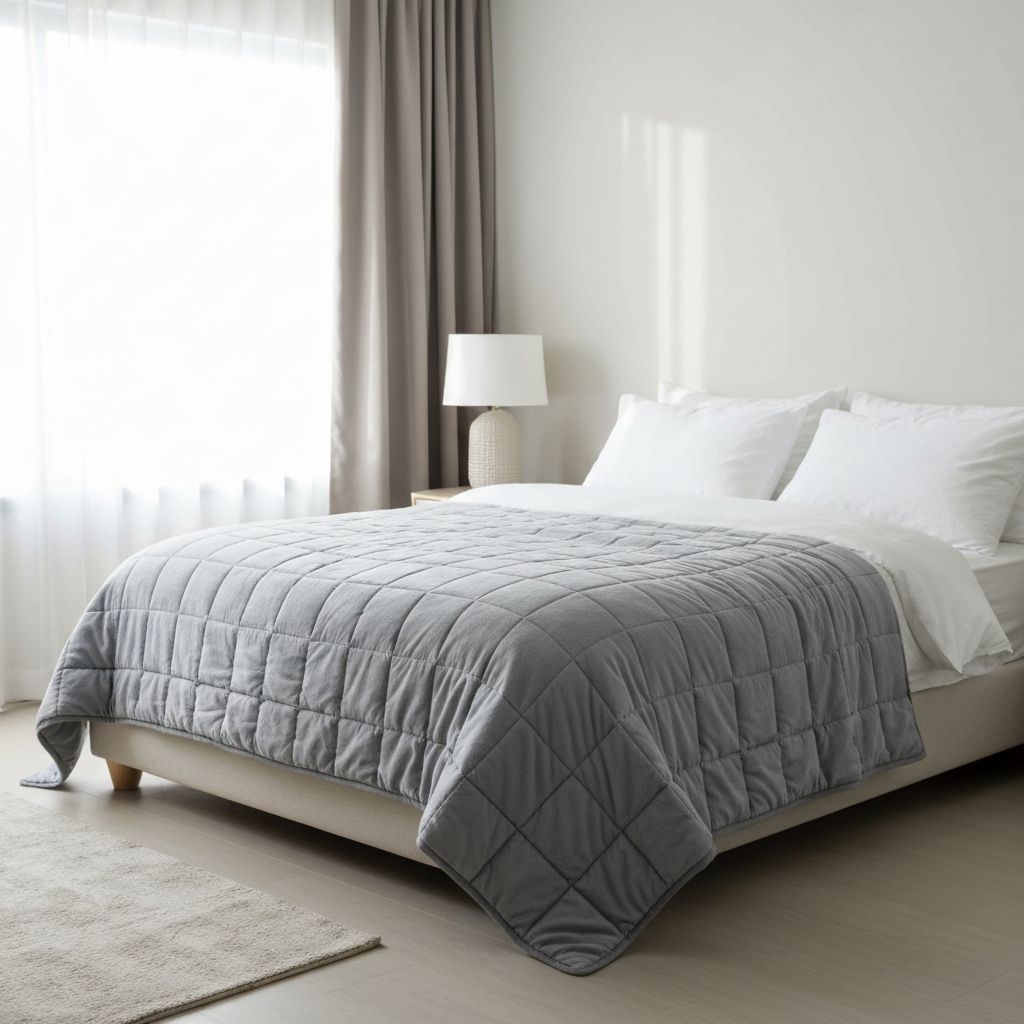
How To Wash A Weighted Blanket: Complete Care and Cleaning Guide
Learn the proper techniques for washing your weighted blanket at home or professionally, including machine washing, hand washing, and drying tips.
Lisa Howard
Author
Weighted blankets have become increasingly popular for their comforting pressure and ability to promote relaxation and better sleep. However, their substantial weight and unique construction present cleaning challenges that differ from regular bedding. This comprehensive guide covers everything you need to know about properly washing and caring for your weighted blanket to maintain its comfort, effectiveness, and longevity.
Understanding Your Weighted Blanket's Construction
Before washing any weighted blanket, understanding its construction helps you choose the safest and most effective cleaning method.
Weighted blankets typically contain filling materials distributed throughout small pockets or compartments. Common filling materials include glass beads, plastic poly pellets, steel shot beads, or natural materials like rice or sand. Glass beads represent the most popular filling due to their density, durability, and quiet movement. Each filling type may have different care requirements.
The outer fabric varies significantly between blankets. Options include cotton, polyester, fleece, minky fabric, bamboo blends, or various combinations. Some blankets feature removable duvet-style covers that can be washed separately from the weighted inner blanket. Check your blanket's fabric content on care tags to determine appropriate washing temperatures and methods.
Weight distribution design matters for washing considerations. Quality weighted blankets use smaller compartments that keep filling evenly distributed, while lower-quality options may have larger pockets where filling can shift and clump. Well-designed compartment systems handle washing better than blankets where filling moves freely.
Checking Care Instructions
Always begin by reading your weighted blanket's care label and any manufacturer instructions that came with your purchase.
Care labels provide specific guidance from the manufacturer who understands their product's construction best. Labels indicate recommended washing methods, water temperatures, drying instructions, and any warnings about what to avoid. Following these instructions protects your warranty and ensures safe cleaning.
When care labels are missing or unclear, contacting the manufacturer directly often provides needed guidance. Many companies offer care information on their websites or through customer service representatives who can advise on your specific blanket model.
General guidelines apply when specific instructions aren't available, though proceeding cautiously protects your investment. When uncertain, choosing gentler methods reduces risk of damage.
Determining If Your Washing Machine Can Handle It
One crucial consideration is whether your washing machine can safely accommodate your weighted blanket's bulk and weight.
Most residential washing machines handle blankets up to fifteen to twenty pounds when dry, though this varies by machine. Check your washing machine's capacity specifications in the owner's manual or manufacturer's website. Overloading your machine risks damaging both the blanket and the washer, potentially causing expensive repairs.
Front-loading washing machines generally handle weighted blankets better than top-loaders with center agitators. The agitator mechanism can catch on blanket fabric or stress seams, potentially causing tears or affecting filling distribution. Front-loaders and top-loaders without agitators allow blankets to move more freely during the wash cycle.
Heavier blankets often require commercial or industrial washing machines found at laundromats. These machines have larger capacities and more powerful motors designed to handle bulky, heavy items. If your blanket exceeds your home machine's capacity, laundromat washing provides a safe alternative.
Machine Washing Your Weighted Blanket
When your washing machine can safely accommodate your blanket, machine washing offers the most convenient cleaning method.
Preparation steps improve washing results. Remove any removable covers and wash them separately. Check the blanket for any tears, loose seams, or damage that washing might worsen. Spot treat any visible stains before the full wash using appropriate stain removers for your fabric type.
Load the blanket into the machine, distributing it as evenly as possible around the drum. Avoid cramming or forcing the blanket in, as this creates uneven loading that stresses the machine and may result in incomplete cleaning or damage.
Select a gentle or delicate cycle with cold or cool water. Hot water can damage some filling materials and may cause fabric shrinkage or color bleeding. The gentle cycle's slower agitation protects the blanket's construction while still providing effective cleaning.
Use mild, liquid detergent in appropriate amounts. Avoid bleach, fabric softeners, and harsh chemicals that can damage fabrics or affect filling materials. Too much detergent may leave residue that's difficult to rinse completely from the blanket's thick layers. Approximately half your normal detergent amount often suffices.
Running an extra rinse cycle helps ensure all detergent is removed from the blanket's interior. Residual soap can affect the blanket's feel and may irritate sensitive skin.
Hand Washing Weighted Blankets
For blankets too heavy for home machines or those requiring gentler treatment, hand washing provides an effective alternative.
Preparing your washing space requires a large container. Bathtubs work well for most weighted blankets, providing ample room for the blanket to be fully submerged and manipulated. Clean the tub thoroughly before filling to prevent transferring dirt to your blanket.
Fill the tub with cool or lukewarm water and add a small amount of mild detergent. Mix the detergent thoroughly before adding the blanket to ensure even distribution throughout the water.
Submerge the blanket completely, pressing it down to saturate all layers. Allow the blanket to soak for fifteen to thirty minutes, periodically pressing and gently manipulating it to help water and detergent penetrate all areas.
Drain the soapy water and refill with clean water for rinsing. Press the blanket repeatedly to release soapy water, then drain and repeat until water runs clear with no visible soap. This may require several rinse cycles given the blanket's thickness.
Removing water from a hand-washed blanket presents challenges due to weight. Never wring or twist the blanket, as this can damage filling distribution and stress seams. Instead, press water out by rolling sections of the blanket against the tub sides. This process takes time but protects your blanket's integrity.
Drying Your Weighted Blanket
Proper drying is crucial for preventing mold, mildew, and musty odors while maintaining the blanket's quality.
Machine drying works for many weighted blankets, though lower heat settings are generally safest. High heat can damage some filling materials, cause fabric shrinkage, or affect the blanket's overall feel. Select low or medium heat settings, or use the air-dry setting if available.
Drying time significantly exceeds regular bedding due to the blanket's weight and thickness. Multiple cycles may be necessary for complete drying. Check the blanket periodically, redistributing it in the dryer to promote even drying.
Adding clean tennis balls or dryer balls helps prevent filling from clumping during drying. These balls create agitation that keeps filling distributed evenly throughout the blanket's compartments.
Air drying offers the gentlest option but requires planning due to extended drying time. Lay the blanket flat on a clean surface, preferably outdoors in good weather or in a well-ventilated indoor space. Avoid hanging weighted blankets, as the weight can stress seams and cause filling to migrate downward.
Flip the blanket periodically during air drying to ensure both sides dry evenly. Depending on humidity and air circulation, complete air drying may take twenty-four to forty-eight hours or longer.
Ensure the blanket is completely dry before storing or using it. Any remaining moisture can cause mold growth, unpleasant odors, and fabric damage. The blanket should feel uniformly dry throughout, with no cool or damp spots.
Spot Cleaning for Minor Stains
Between full washes, spot cleaning handles minor spills and stains while avoiding the effort of washing the entire blanket.
Act quickly when spills occur. Blot liquid spills immediately with clean cloths, absorbing as much moisture as possible before it penetrates deeply into the blanket's layers. Avoid rubbing, which can spread stains and push them deeper into the fabric.
Apply mild cleaning solution to a clean cloth rather than directly to the blanket. This prevents oversaturating the area and allows better control over the amount of moisture introduced. Gently dab the stained area, working from the edges toward the center to prevent spreading.
Rinse the area by dabbing with a cloth dampened with plain water, removing soap residue. Blot with dry cloths to absorb excess moisture.
Allow the cleaned area to air dry completely. You can speed drying by directing a fan toward the area or placing the blanket in sunlight, though avoid prolonged sun exposure that might fade colors.
Professional Cleaning Options
Some situations call for professional cleaning expertise and equipment.
Dry cleaning may be appropriate for certain weighted blankets, particularly those with delicate fabrics or specific care requirements. However, some filling materials don't tolerate dry cleaning chemicals well. Check manufacturer recommendations before choosing this option.
Professional wet cleaning services handle oversized and heavy items that challenge home machines. These services have industrial equipment designed for bulky bedding and understand proper techniques for different materials.
Specialty blanket cleaning services have emerged as weighted blankets have gained popularity. These services understand the specific requirements of weighted blankets and can provide appropriate care.
Maintaining Your Weighted Blanket Between Washes
Regular maintenance extends the time between full washes while keeping your blanket fresh.
Using a removable duvet cover provides the best protection and simplifies maintenance. The cover bears the brunt of body oils, sweat, and surface dirt, and can be washed frequently while the weighted inner blanket needs less frequent cleaning.
Airing out your blanket periodically helps release trapped odors and moisture. On dry days, hanging your blanket outdoors in indirect sunlight freshens it without washing.
Vacuuming the blanket surface removes dust, pet hair, and debris that accumulates with regular use. Use low suction settings and attachment tools designed for upholstery to avoid stressing the fabric.
Rotating the blanket's orientation periodically ensures even wear across all areas rather than concentrated wear on frequently used sections.
Common Washing Mistakes to Avoid
Avoiding these common mistakes protects your weighted blanket investment.
Never use hot water or high heat drying unless specifically recommended by the manufacturer. Heat damage affects filling materials and fabrics in ways that cannot be reversed.
Avoid overloading your washing machine. The strain on the machine can cause damage, and the blanket won't clean properly in an overloaded drum.
Never wring, twist, or hang heavy wet blankets. These actions stress seams and cause filling to shift or clump permanently.
Don't use bleach, fabric softeners, or harsh chemicals that can damage fabrics and affect filling materials.
Avoid storing the blanket while damp or wet. Complete drying prevents mold, mildew, and musty odors that can ruin your blanket.
Conclusion
Properly caring for your weighted blanket ensures it continues providing the comforting pressure and relaxation benefits you love for years to come. Whether machine washing, hand washing, or seeking professional services, following appropriate methods for your blanket's specific construction and materials protects your investment while maintaining freshness and cleanliness. Regular maintenance between washes, proper drying techniques, and attention to manufacturer guidelines all contribute to a long-lasting, comfortable weighted blanket you'll enjoy night after night.
Frequently Asked Questions
What will I learn from this lifestyle guide?
Learn the proper techniques for washing your weighted blanket at home or professionally, including machine washing, hand washing, and drying tips.
How can I improve my work-life balance?
Improve work-life balance by setting clear boundaries between work and personal time, prioritizing tasks using time-blocking techniques, learning to say no to non-essential commitments, and scheduling regular breaks and self-care activities.
More from Lifestyle
Continue exploring our curated collection of articles

Welding Shops Near Me: Services, Pricing, and Selection Tips
Find the best welding shops near you with tips on services offered, pricing ranges, choosing qualified welders, and common projects they handle daily.
Auto Repair Shops Transmission: Service and Cost Guide
A complete guide to finding trusted auto repair shops for transmission service, common warning signs, typical repair costs, and questions to ask.

Prices For Dental Veneers: Complete Cost Breakdown Guide
Explore the real prices for dental veneers including porcelain and composite options, insurance coverage, financing plans, and what affects overall cost.