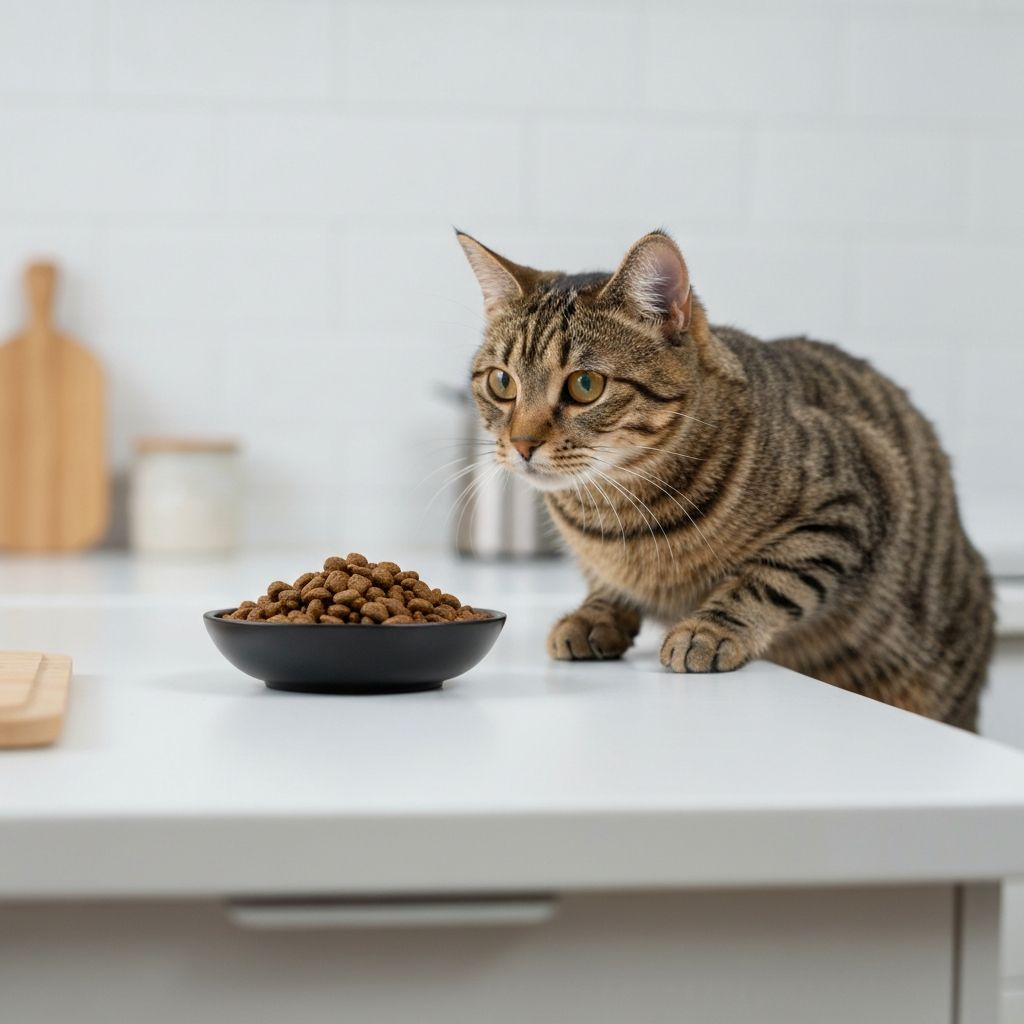
Hypoallergenic Cat Food: How to Choose the Best Diet for Sensitive Felines
Discover the best hypoallergenic cat food options to relieve allergies, support digestion, and keep sensitive felines healthy with safe, vet-approved diets.
Dr. Priya Kapoor, DVM
Author
Food allergies and sensitivities are more common in cats than many owners realize. Persistent itching, recurring ear infections, vomiting, diarrhea, and even patches of missing fur can all stem from something as simple as the protein in your cat's daily food. Hypoallergenic cat food is designed to eliminate these reactions by avoiding common allergens or breaking proteins into pieces too small to trigger the immune system. Here's everything you need to know to choose wisely.
What Causes Food Allergies in Cats
A true food allergy is an immune system overreaction to a specific protein. The most common feline food allergens are beef, fish, chicken, dairy, eggs, and wheat. Although grains often get blamed, they're far less likely to cause allergies than animal proteins. Sensitivities, by contrast, are digestive intolerances rather than immune reactions, but they can cause similar symptoms.
Cats can develop allergies to foods they've eaten for years, since reactions usually require repeated exposure. This is why a long-time chicken eater might suddenly start scratching nonstop or vomiting after meals. Identifying the trigger usually involves an elimination diet supervised by a veterinarian.
Types of Hypoallergenic Cat Food
There are three main categories of hypoallergenic cat food. Limited ingredient diets contain a single novel protein and a single carbohydrate source, reducing the chances of reaction. Novel protein diets use proteins your cat hasn't eaten before, such as duck, rabbit, venison, or kangaroo. Hydrolyzed protein diets break proteins down into pieces so small that the immune system no longer recognizes them as allergens.
Each option has its place. Limited ingredient diets work well for cats with mild sensitivities. Novel protein diets are useful when only one or two allergens are suspected. Hydrolyzed diets are typically prescribed for severe cases and are considered the gold standard for diagnosing and managing food allergies.
Signs Your Cat Needs a Hypoallergenic Diet
Watch for persistent scratching around the head, neck, and ears, hair loss in patches, scabby or flaky skin, frequent ear infections, chronic vomiting, soft stools, gas, or weight loss without explanation. Many cats also overgroom certain areas, leaving bald spots on the belly or legs. If your cat shows any of these symptoms for more than a few weeks, schedule a vet visit to rule out parasites, environmental allergies, or other conditions before changing food.
The Elimination Diet Process
Vets diagnose food allergies through an elimination trial that typically lasts eight to twelve weeks. During this time, your cat eats only the prescribed hypoallergenic food, with absolutely no treats, table scraps, flavored medications, or shared bowls with other pets. After symptoms improve, the old food is reintroduced briefly to confirm the allergy. This process requires patience but provides definitive answers.
Top Ingredients to Look For
Quality hypoallergenic foods feature a single, identifiable protein source listed first, such as duck, rabbit, or hydrolyzed chicken. Limited carbohydrates, such as pea, potato, or tapioca, reduce digestive triggers. Omega-3 fatty acids from fish oil or flaxseed support skin healing. Prebiotics and probiotics improve gut health, which is closely linked to immune function and skin condition.
Ingredients to Avoid
Steer clear of foods with vague labels like "meat by-products," "animal digest," or "poultry meal," since you can't identify the protein source. Avoid artificial colors, flavors, and preservatives, which may aggravate sensitivities. Be cautious with foods that list multiple proteins, such as chicken, fish, and beef in the same recipe. Even small amounts of an allergen can trigger reactions in severely affected cats.
Wet vs. Dry Hypoallergenic Food
Both wet and dry hypoallergenic foods have benefits. Wet food provides extra hydration, which is crucial for cats prone to urinary issues, and tends to feel more satisfying. Dry food is convenient, helps reduce tartar, and is easier to portion. Many vets recommend a mix of both, especially for cats transitioning to a new diet, since variety in texture can encourage acceptance.
Transitioning to a New Diet
Switch foods gradually over seven to ten days. Start by mixing 25% new food with 75% old, then 50/50, then 75% new, and finally 100% new. A slow transition helps the digestive system adapt and reduces the chance of food refusal. If your cat is undergoing an elimination trial, your vet may recommend a faster switch under supervision.
Common Mistakes to Avoid
The biggest mistake during an elimination trial is offering treats, even tiny ones. A single piece of cheese, fish, or human food can ruin weeks of progress. Multi-cat households should also feed each cat separately so the affected cat doesn't sneak forbidden food. Flavored medications and supplements can contain hidden allergens, so always check labels with your vet.
Long-Term Management
Once allergens are identified, most cats do well on a tailored diet for life. Some can eventually tolerate small amounts of previously problematic foods, while others remain strictly limited. Regular vet checkups, gentle grooming, and monitoring for new symptoms help keep sensitive cats comfortable. Skin and coat usually improve dramatically within a few months on the right diet, and many owners report calmer, happier cats.
When to See a Veterinarian
If symptoms don't improve within twelve weeks of switching to a hypoallergenic diet, return to your vet for further investigation. The issue may be environmental allergies, parasites, or an underlying medical condition rather than food. Blood and skin tests can help narrow down causes. Avoid switching foods repeatedly without guidance, since this can mask symptoms and confuse diagnosis.
Final Thoughts
Hypoallergenic cat food offers life-changing relief for cats suffering from chronic itching, digestive upset, or food sensitivities. By understanding the differences between novel protein, limited ingredient, and hydrolyzed diets, working closely with your veterinarian, and committing to a careful elimination process, you can find a long-term solution that keeps your sensitive feline comfortable, healthy, and content for years to come.
More from Food
Continue exploring our curated collection of articles

Food And Beverage Industry Classification Examples
Comprehensive overview of food and beverage industry classifications, including restaurant types, food service segments, and industry regulatory frameworks.
Hot Dog At Costco Calories: Complete Nutrition Breakdown
Discover the complete calorie breakdown of Costco's famous $1.50 hot dog combo, including nutritional facts, ingredients, and healthier meal tips.

Dochos Concession And The Fishin Chicken Food Truck Tampa Fl
Explore the delicious offerings of Dochos Concession and The Fishin Chicken food truck in Tampa, Florida, featuring mouthwatering fried chicken, fresh seafood, and the vibrant food truck culture of the Tampa Bay area.