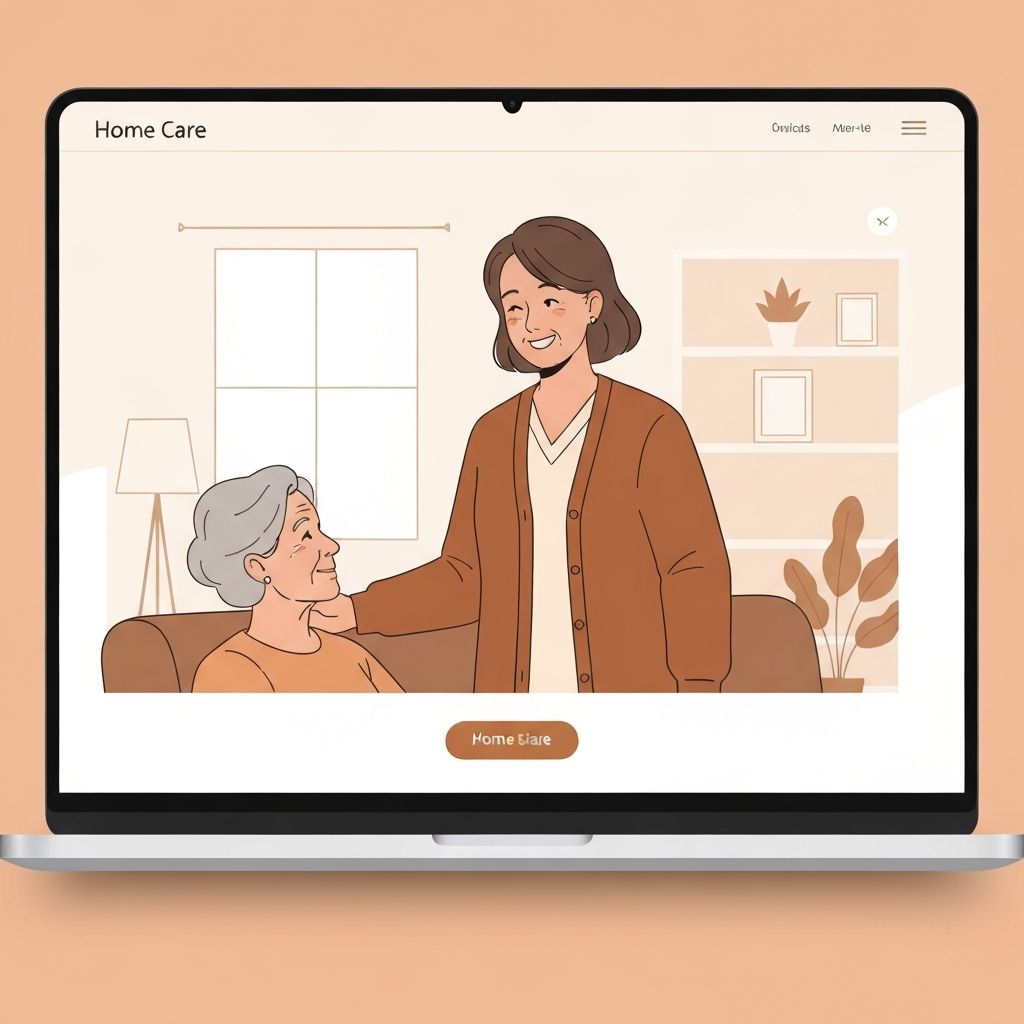
Non Medical In-Home Care Web Design: Building Trust and Generating Leads
Learn how strategic non medical in-home care web design builds family trust, drives qualified leads, and helps caregiving agencies grow their client base.
Emily Carter
Author
Non medical in-home care agencies operate in one of the most emotionally sensitive industries in service business. Families researching care for aging parents, recovering loved ones, or disabled relatives are typically stressed, overwhelmed, and desperate for reassurance. Your website is often the first impression they form of your agency, and that impression decides whether they call, fill out a form, or move on to a competitor. Strategic non medical in-home care web design is therefore not a cosmetic exercise. It is a trust-building, lead-generation engine that determines the long-term viability of your agency.
Why Web Design Matters for Home Care Agencies
Most home care prospects begin their journey on a search engine. They type queries like "in-home care near me," "non medical caregiving services," or "help for elderly parent at home." Within seconds of landing on your homepage, visitors form impressions about your professionalism, reliability, and compassion. Cluttered layouts, slow load times, outdated photos, or confusing navigation send a clear message that your agency is not detail-oriented enough to trust with a vulnerable family member.
A well-designed home care website does the opposite. Clean visual hierarchy, warm imagery, and intuitive navigation communicate that your agency is organized, modern, and capable. Visitors stay longer, explore more pages, and feel confident enough to take the next step.
Core Pages Every Home Care Website Needs
A high-performing non medical in-home care website includes several essential pages. The homepage must immediately answer three questions: what services you offer, what areas you serve, and how to contact you. A prominent phone number, click-to-call button, and contact form should appear above the fold on every device.
Service pages deserve individual attention. Companion care, personal care, dementia care, respite care, and post-hospital recovery should each have a dedicated page describing what is included, who benefits, and what families can expect during a typical visit. Detailed service pages help with both user understanding and search engine rankings.
An About page builds credibility by showcasing the agency's story, leadership team, caregiver hiring standards, and community involvement. Photographs of real staff and caregivers are far more effective than generic stock imagery. Families want to see the people who may enter their loved one's home.
A testimonials page or scattered review snippets across the site provide social proof. Video testimonials are especially powerful because they capture the emotion that text cannot. A FAQ page addressing common concerns about pricing, scheduling, caregiver matching, and insurance reduces anxiety and shortens the sales cycle.
Design Elements That Build Trust
Color psychology plays a meaningful role in home care design. Soft blues, warm greens, and gentle creams convey calm, health, and reliability. Aggressive reds or stark blacks can feel clinical or alarming, which is the opposite of what stressed families need to feel.
Typography should be highly readable, especially for adult children researching on behalf of older parents. Font sizes of sixteen pixels or larger for body text, generous line spacing, and high contrast between text and background improve legibility for all ages.
Photography is one of the most underrated trust signals. Authentic photos of caregivers interacting warmly with seniors create instant emotional connection. Avoid overly staged stock images. When budget allows, hire a local photographer to capture real moments at real client visits, with proper consent.
Trust badges including state licensing numbers, bonding and insurance status, BBB ratings, industry association memberships, and background check certifications should appear prominently in the footer and on contact pages.
Mobile Optimization Is Non-Negotiable
More than seventy percent of home care website traffic comes from mobile devices. Adult children often research care options during lunch breaks, commutes, or late at night while sitting beside a hospitalized parent. A mobile site that is slow, hard to read, or difficult to navigate loses these high-intent leads instantly.
Responsive design, fast loading speeds under three seconds, easily tappable buttons, and click-to-call links are essential. Forms should be short, with only the fields necessary to start a conversation, typically name, phone, email, and a brief message.
Local SEO and Content Strategy
Home care is a hyper-local business. Most clients live within fifteen miles of your office. Your website must signal local relevance through city and neighborhood names in page titles, meta descriptions, and content. Dedicated location pages for each service area help capture geographically specific searches.
Content marketing through a regularly updated blog establishes authority. Articles answering common caregiver questions, explaining Medicare coverage, sharing dementia care tips, and discussing fall prevention attract organic traffic and nurture leads over time.
Conversion Optimization
Every page should guide visitors toward a clear next step. Prominent calls to action such as "Schedule a Free In-Home Assessment," "Speak with a Care Coordinator," or "Get Pricing" remove friction. Live chat or chatbot integration provides instant answers when staff are unavailable.
Tracking tools including Google Analytics, call tracking software, and form analytics reveal which pages and campaigns generate the highest quality leads, allowing you to invest marketing dollars where they perform best.
Conclusion
Non medical in-home care web design is far more than aesthetics. It is the digital handshake that introduces your agency to families during one of the most difficult chapters of their lives. By prioritizing trust, clarity, mobile usability, local SEO, and conversion-focused calls to action, your website becomes a reliable engine for growth, helping more families find the compassionate care they need while sustaining your agency for years to come.
More from Technology
Continue exploring our curated collection of articles

SEO Computers: Choosing the Right Machine and Ranking a Computer Business Online
SEO computers explained two ways: the hardware specs that genuinely speed up SEO work, and how computer businesses rank for the searches that bring customers.

modern seo
How modern SEO actually works in the AI search era, based on 18 months of traffic data across 40 sites, including what stopped working and what never changed.

How AI Is Reshaping SEO and Content Marketing
Discover how AI is reshaping SEO and content marketing, from generative search and intent modeling to automated content workflows, E-E-A-T, and measurable results.