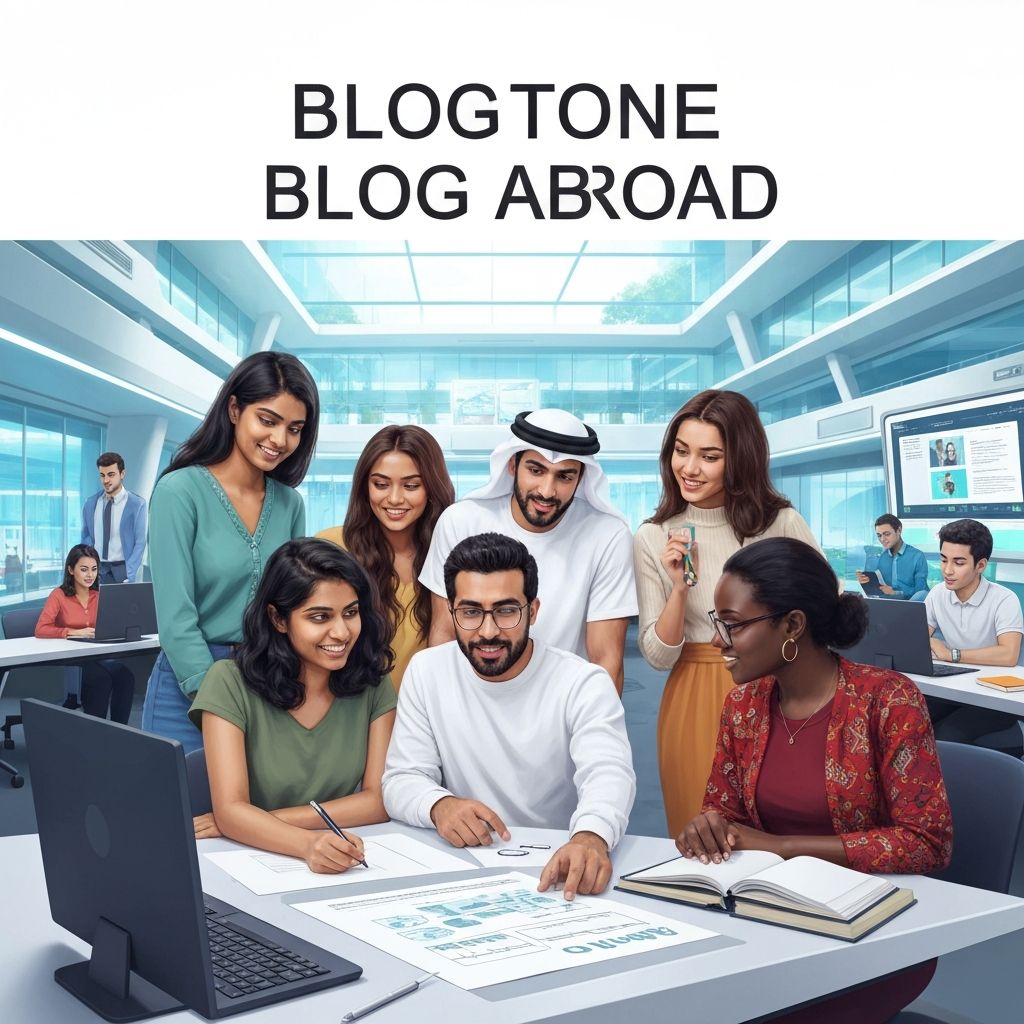
Study Abroad In The Modern Era: AI, Technology, and Global Education
Discover how AI and technology transform study abroad experiences, enabling students to learn globally while mastering workplace skills for the digital age.
Dr. Lisa Thompson
Author
Study abroad has long represented a transformative educational experience, exposing students to different cultures, educational approaches, and perspectives. Yet the nature of study abroad has fundamentally transformed in recent years through technological advancement, particularly artificial intelligence. Modern study abroad experiences integrate AI translation tools, virtual collaboration platforms, digital learning resources, and workplace technology skills development in ways that reshape how students engage with international education. This exploration examines how technology and AI transform study abroad while maintaining the cultural and personal development benefits that make international education invaluable.
The Evolution of Study Abroad
Historically, study abroad represented an intense immersion experience where students physically traveled to foreign countries, adapted to new environments, and engaged with different cultures in person. Language learning happened through necessity and daily interaction. Research required accessing libraries and local resources. Social connections formed through face-to-face interaction within study abroad cohorts.
Modern study abroad builds on this foundation while integrating technology enabling new forms of engagement. AI translation breaks language barriers that previously necessitated extensive language study before or during study abroad. Virtual collaboration enables students studying abroad to maintain connections with home universities and collaborate on projects with peers globally. Digital resources provide access to information previously requiring physical presence in specific locations. Workplace technology exposure prepares students for career contexts increasingly requiring global collaboration and digital proficiency.
Language Learning in the AI Era
AI language translation technology has fundamentally changed study abroad language learning dynamics. Students no longer face impossible language barriers if they haven't achieved fluency before studying abroad. Real-time translation tools enable communication with local people despite limited language skills. This accessibility expands study abroad opportunities to students lacking the time or aptitude for extensive language study.
However, the availability of translation technology hasn't diminished language learning value. Students choosing to learn local languages find translation tools actually enhance language acquisition by reducing anxiety and enabling more confident interaction. When students can understand conversations through translation while attempting to communicate in broken local language, they build confidence and practical communication skills. Translation tools provide immediate feedback when student-generated language differs from native expression.
Many study abroad programs now integrate technology-enhanced language learning into curricula. Students use AI-powered language learning apps reinforcing classroom instruction. Mobile applications providing real-time pronunciation feedback help students develop proper accent and pronunciation. Virtual language exchange platforms connect study abroad students with native speakers for conversational practice beyond classroom contexts.
The key remains maintaining intentional language learning alongside translation technology availability. Study abroad programs establishing language learning expectations, requiring local language use in certain contexts, and incorporating language skill assessment into program evaluation ensure technology enhances rather than replaces language learning.
Global Collaboration Through Technology
Study abroad students increasingly collaborate with peers globally rather than only within their study abroad cohort. Virtual collaboration platforms enable project work spanning students in multiple countries. A student in Spain might collaborate on a research project with peers in Japan, Brazil, and South Africa, bringing diverse geographic and cultural perspectives to their work.
This global collaboration mirrors workplace realities where teams increasingly span continents and time zones. Study abroad programs integrating global collaboration help students develop skills essential for modern careers. They learn to navigate cultural differences in communication styles, work through time zone challenges, use asynchronous collaboration methods, and appreciate diverse perspectives on complex problems. These soft skills often matter more than technical expertise in determining career success.
Technologies enabling global collaboration include project management platforms, video conferencing tools, shared document repositories, and collaborative brainstorming software. These same tools now appear in virtually every workplace, making familiarity with them essential career preparation. Students gaining facility with these tools while studying abroad develop advantages in subsequent job searches and early career success.
Access to Global Educational Resources
Study abroad students benefit from unprecedented access to global educational resources through technology. A student in a developing country can access MIT OpenCourseWare, watch lectures from leading experts worldwide, and read academic papers published globally. This resource access, previously limited to students at wealthy universities in developed countries, now reaches students everywhere.
AI-powered educational tools enable personalized learning experiences. Adaptive learning platforms assess individual student understanding and adjust content difficulty accordingly. AI tutoring systems provide instant feedback and explanations for challenging concepts. Natural language processing analyzes student writing, providing feedback on clarity, grammar, and argumentation. These tools democratize access to educational support previously available only through expensive tutoring or institutional resources.
Virtual laboratories enable science students to conduct experiments digitally, valuable for students studying abroad lacking access to physical lab facilities. Simulations recreate laboratory experiences enabling hands-on learning despite physical distance. While virtual labs don't completely replace physical laboratory experience, they enable valuable experimentation when physical labs are inaccessible.
Workplace Skills in the Digital Age
Modern study abroad increasingly emphasizes workplace skill development alongside cultural immersion and academic learning. Students need proficiency with digital collaboration tools, data analysis software, AI applications, and other technologies transforming workplaces globally. Study abroad programs incorporating workplace technology exposure prepare students for career success more effectively than traditional academic focus alone.
Some programs include internship experiences or project-based learning applying academic content to real-world professional contexts. Students might complete internships with companies in their host countries, gaining international work experience while developing professional networks. Others engage in consulting projects for local organizations, applying their skills to authentic challenges while building practical experience.
Data literacy has become increasingly important across career fields. Study abroad programs integrating data analysis skills, quantitative reasoning, and data visualization prepare students for careers where data-driven decision-making becomes standard. These technical skills combined with international experience and cultural competency create highly valued job candidates.
Cultural Immersion in a Connected World
While technology transforms study abroad, cultural immersion remains central to study abroad value. Students studying abroad gain experiential understanding of different cultures through daily life, relationships with local people, participation in cultural events, and engagement with local institutions. This experiential learning cannot be completely replicated through online or virtual experiences.
Technology actually enhances cultural immersion by providing context for cultural experiences. Students can research cultural history, understand political and social contexts, and connect with cultural communities through online resources before experiencing cultural events in person. This preparation enriches in-person experiences by providing frameworks for understanding what they encounter.
Social media and digital communication tools enable study abroad students to share experiences with people at home, maintaining connections while building understanding of study abroad experiences among people who haven't traveled internationally. This communication bridges cultures by giving distant friends and family windows into different places and ways of life.
Addressing Digital Divides in Study Abroad
While technology transforms study abroad, ensuring equitable access remains important. Students from lower-income backgrounds and students from less developed countries sometimes face barriers accessing study abroad opportunities. Technology can either exacerbate or address these inequities.
Virtual study abroad options enable students unable to travel internationally to gain some benefits of international education remotely. Virtual exchange programs connect students in different countries for cultural exchange and collaboration. While virtual experiences don't completely replace in-person study abroad, they expand access to international education for students unable to travel.
Organizations working to increase study abroad access for underrepresented students increasingly use technology to reduce barriers. Virtual orientation programs prepare students for study abroad before departure. Online mentorship connects students with people who studied abroad in target countries. Virtual resource libraries provide practical information about study abroad opportunities and preparation.
Mental Health and Wellness in Study Abroad
Technology enables better mental health support for study abroad students navigating adjustment challenges. Virtual counseling connects students with mental health professionals despite geographic separation. Mental health apps provide coping strategies and wellness resources accessible anywhere. Online support communities connect students with peers facing similar adjustment challenges.
Study abroad can be emotionally challenging as students navigate new environments, adapt to cultural differences, manage homesickness, and handle academic pressures in unfamiliar contexts. Technology provides support mechanisms helping students develop resilience while maintaining wellbeing. Regular check-ins with counselors or mentors through video conferencing ensure students receive support throughout their study abroad experience.
Future Possibilities for Study Abroad
Emerging technologies promise to further transform study abroad experiences. Virtual reality could enable immersive cultural experiences for students unable to travel physically, though likely complementing rather than replacing in-person study abroad. Augmented reality could enhance cultural site visits by overlaying historical information or architectural explanations onto current scenes.
Brain-computer interfaces and neural language learning technologies might eventually enable faster language acquisition. Increased AI sophistication might enable even more seamless translation, though questions remain whether universal translation would diminish language learning. Blockchain technology could create portable academic credentials recognized globally, facilitating student mobility.
Preparing for the Modern Study Abroad Experience
Students preparing for study abroad should approach technology thoughtfully. Rather than relying entirely on translation tools, invest in language learning to the extent your situation permits. While maintaining home connections through technology, prioritize in-person relationships with local people and study abroad cohort members. Balance accessing global digital resources with engaging with local institutions and communities.
Develop proficiency with digital collaboration tools, online learning platforms, and workplace technology before studying abroad. This preparation helps you contribute effectively to international projects and develops career-relevant skills. Approach technology as a tool enabling richer engagement with study abroad experiences rather than a replacement for the immersive, experiential learning that makes study abroad transformative.
Conclusion
Study abroad in the modern era represents a fundamentally transformed educational experience integrating technology, AI, and global connectivity with traditional cultural immersion and personal development benefits. Students pursuing international education today benefit from unprecedented access to resources, connection opportunities, and tools enabling global collaboration. The most successful study abroad experiences deliberately integrate technology while maintaining focus on authentic cultural engagement, meaningful relationships, and transformative learning. As technology continues advancing, study abroad will evolve further, but the fundamental value of exposing students to different cultures, perspectives, and ways of life remains constant. Students engaging thoughtfully with both technology and direct experience position themselves for meaningful international education and preparation for success in increasingly global careers and communities.
Frequently Asked Questions
What are the benefits of online learning?
Online learning offers flexibility to study at your own pace, access to global educational resources, cost savings on commuting and materials, personalized learning paths, and the ability to balance education with work and family commitments.
More from Education
Continue exploring our curated collection of articles
Rio Hondo College Early Childhood Education As-T
Explore the comprehensive Early Childhood Education AS-T program at Rio Hondo College, including curriculum details, career pathways, transfer opportunities, and how to prepare for a rewarding career working with young children.
Ministry Of Education Released Grade 10 Senior School Placement Results
Comprehensive guide to understanding your Grade 10 placement results and what comes next in your educational journey. Learn how to choose the right senior school.

George Kingsley Acquah Education Ghana School Of Law
Exploring the journey of legal education excellence through George Kingsley Acquah's contributions to Ghana's School of Law and modern legal practice.