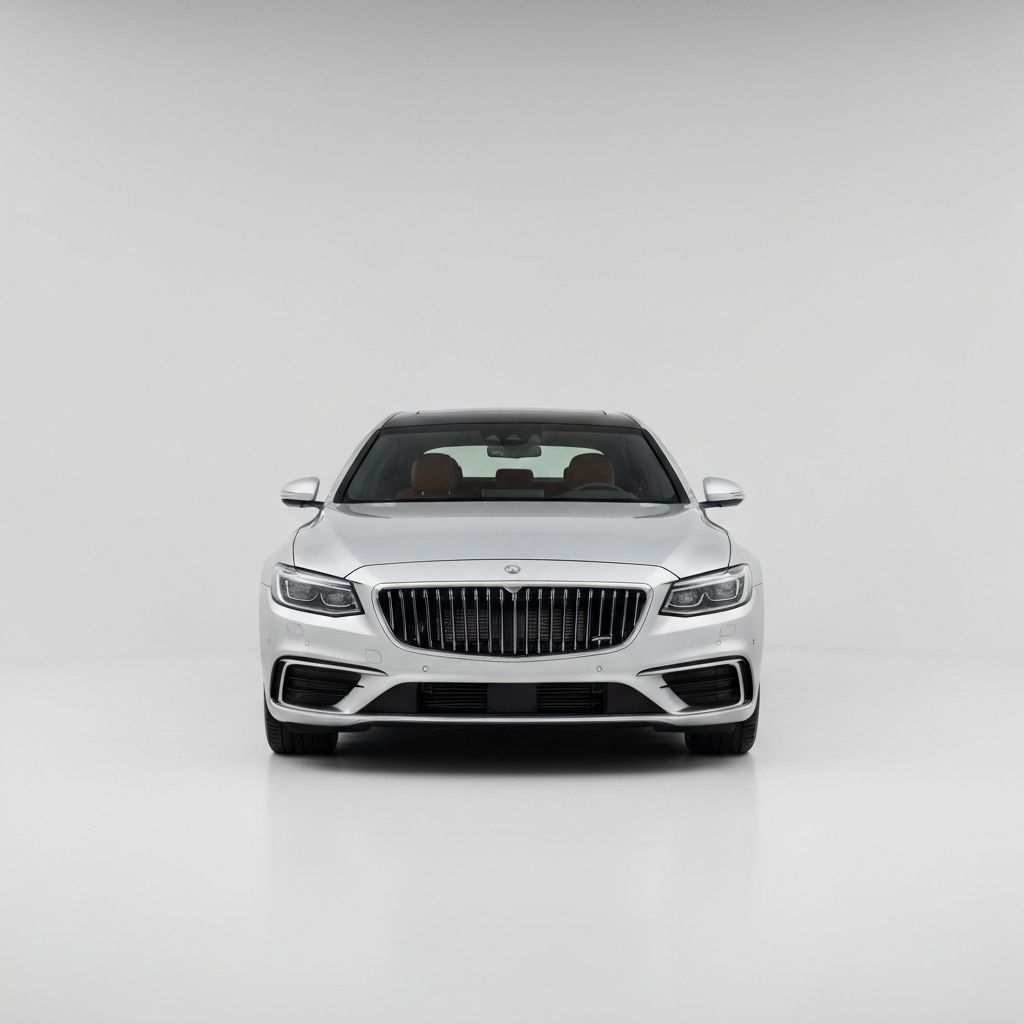
What Does BMW Stand For? History Behind the Iconic Brand
Curious what BMW stands for? Discover the meaning behind this iconic German automaker's initials, its rich aviation history, and the origin of its logo.
Robert Klein
Author
BMW stands as one of the most recognizable automotive brands worldwide, with its distinctive blue and white roundel logo appearing on luxury vehicles across every continent. Despite this universal recognition, many enthusiasts and casual observers remain uncertain about what those three iconic letters actually represent. Understanding the meaning behind BMW reveals a fascinating corporate history spanning over a century of engineering excellence and industrial evolution.
The Meaning Behind the BMW Initials
BMW stands for Bayerische Motoren Werke, which translates from German to English as Bavarian Motor Works. This name directly reflects the company's geographic origins in Bavaria, the southern German state known for its rich cultural heritage, scientific achievements, and industrial capabilities. The Bayerische portion refers to Bavaria specifically, while Motoren Werke denotes motor works or engine manufacturing facilities.
The full German name carries meaningful significance about the company's founding identity and industrial focus. Unlike many automotive manufacturers named after their founders, BMW chose a name emphasizing regional pride and industrial specialty. This branding decision has created enduring associations between the company and Bavarian engineering excellence that continue shaping public perception today.
The official English translation appears in company communications and international marketing materials, though the German Bayerische Motoren Werke remains the legal corporate name. Many American and British car enthusiasts casually refer to the company as Bavarian Motor Works, while others simply use the abbreviated BMW without concerning themselves with the full expansion.
The Company's Origin in Aviation
BMW's origins trace back to aircraft engine manufacturing rather than automobile production. The company emerged in 1916 from the merger of Rapp Motorenwerke, a Bavarian aircraft engine manufacturer, creating an entity initially focused on producing engines for military aircraft during World War One. This aviation heritage fundamentally shaped the company's engineering culture and technical capabilities.
During its early years, BMW produced highly regarded aircraft engines that powered German military aircraft throughout the First World War. The company's engineering expertise developed during this period established reputations for technical excellence and reliability that would later transfer to automotive applications. Aircraft engine production required precision manufacturing and sophisticated engineering that translated naturally to high-performance vehicle development.
The Treaty of Versailles ending World War One prohibited German companies from producing aircraft engines, forcing BMW to diversify its manufacturing activities. This regulatory constraint proved pivotal in directing company focus toward motorcycle and eventually automobile production. The transition from aviation to ground transportation happened gradually throughout the 1920s as the company sought new markets for its engineering capabilities.
The Famous BMW Logo Origin
The distinctive BMW logo features a circular design divided into four quadrants alternating between blue and white colors, surrounded by a black outer ring containing the BMW initials. Popular mythology suggests this design represents a spinning aircraft propeller against blue sky, connecting directly to the company's aviation origins. This romantic interpretation appears in countless marketing materials and casual discussions.
However, the actual origin of the BMW logo design proves somewhat more prosaic. The blue and white checkered pattern derives from the Bavarian state flag, which features similar blue and white geometric designs. The circular layout and color arrangement essentially reference Bavarian regional identity rather than spinning propellers, connecting the logo directly to the company's geographic heritage.
The propeller interpretation emerged later through marketing efforts and popular imagination, becoming so widespread that many people accept this explanation as historical fact. BMW itself has alternately embraced and distanced itself from the propeller interpretation throughout its corporate history, recognizing the powerful association between the imagery and the company's aviation legacy regardless of historical accuracy.
BMW's Evolution Through the Twentieth Century
Following the aviation restrictions of the post-World War One era, BMW expanded into motorcycle production, launching its first motorcycle in 1923. These early motorcycles established the company's reputation for combining performance, reliability, and innovative engineering. BMW motorcycles continue production today, representing one of the world's most prestigious motorcycle brands alongside the company's automotive offerings.
Automobile production began in 1928 when BMW acquired a license to build Austin Seven vehicles under the BMW name. Early BMW automobiles combined English vehicle designs with German engineering and manufacturing, establishing foundations for the company's later original vehicle development. By the 1930s, BMW had introduced original automotive designs that began distinguishing the brand from competitors.
World War Two dramatically affected BMW operations, with the company again focused on aviation engine production for military aircraft. Post-war reconstruction proved challenging, as some BMW facilities fell within the Soviet occupation zone while others suffered extensive bomb damage. The company's recovery during the 1950s involved diversification into smaller economy vehicles that kept operations afloat during difficult financial periods.
The Modern BMW Corporate Structure
Today BMW Group encompasses multiple automotive brands beyond the core BMW nameplate. The group acquired Rover Group in 1994, though it later divested most Rover operations while retaining Mini Cooper and Rolls-Royce brands. This corporate structure positions BMW Group among the world's largest automotive manufacturers with diverse product offerings spanning economy to ultra-luxury segments.
BMW Group maintains headquarters in Munich, Bavaria, preserving the geographic connection that the company name celebrates. Manufacturing operations span multiple continents with production facilities in Germany, the United States, China, and other locations. Despite global expansion, the company emphasizes its Bavarian heritage through continued headquarters presence and cultural connections to its founding region.
Innovation remains central to BMW identity, with substantial investments in electric vehicles, autonomous driving technology, and sustainable manufacturing. The company's evolution from aircraft engines through motorcycles to luxury automobiles demonstrates remarkable adaptability across changing technological and market conditions spanning over one hundred years.
Common Misconceptions About BMW
Several popular misconceptions surround BMW's name and heritage. Some people believe BMW stands for Bavarian Motor Company rather than Bavarian Motor Works, though Werke specifically translates to works rather than company in this context. This subtle distinction reflects the company's heritage as a manufacturing works rather than a corporate entity with different implications in German industrial terminology.
Another frequent misconception suggests BMW originated as an automobile manufacturer rather than an aircraft engine producer. The aviation origins remain central to company heritage and corporate identity, despite decades of primary focus on motorcycle and automobile production. Understanding this aviation foundation provides context for the company's engineering approaches and design philosophies.
Some enthusiasts believe the letters BMW represent three separate words or founders' names, similar to some other automotive manufacturers. The reality is simpler, with all three letters representing the single phrase Bayerische Motoren Werke. This straightforward origin differs from companies like Ford or Ferrari named directly after founders.
BMW's Cultural Impact and Status
The BMW brand has achieved cultural status extending beyond automotive enthusiasm into broader status symbolism and social identity. The phrase driving a BMW carries connotations of success, achievement, and refined taste across many cultures worldwide. This cultural positioning results from decades of consistent brand management combining engineering excellence with carefully cultivated image.
Popular culture frequently features BMW vehicles as props signaling character wealth, sophistication, or taste. Movies, television shows, and music videos regularly incorporate BMW imagery when establishing character backgrounds or creating aspirational scenarios. This cultural presence reinforces the brand's luxury positioning while extending awareness beyond traditional automotive media.
Conclusion
BMW stands for Bayerische Motoren Werke, meaning Bavarian Motor Works in English, representing a company name that honors both its geographic Bavarian heritage and its historical industrial focus on motor manufacturing. The company's fascinating journey from aircraft engine producer through motorcycle manufacturer to global automotive luxury brand spans over a century of engineering evolution and corporate adaptation. Understanding what BMW stands for reveals deeper appreciation for this iconic brand's rich history, from its aviation origins that continue influencing company identity today to its global presence shaping contemporary automotive excellence. Whether the famous roundel logo represents a spinning propeller or Bavarian flag colors, the meaning behind those three letters connects every BMW vehicle to a remarkable legacy of precision engineering rooted firmly in Bavarian industrial tradition.
Frequently Asked Questions
How can I improve my work-life balance?
Improve work-life balance by setting clear boundaries between work and personal time, prioritizing tasks using time-blocking techniques, learning to say no to non-essential commitments, and scheduling regular breaks and self-care activities.
More from Lifestyle
Continue exploring our curated collection of articles
Welding Shops Near Me: Services, Pricing, and Selection Tips
Find the best welding shops near you with tips on services offered, pricing ranges, choosing qualified welders, and common projects they handle daily.
Auto Repair Shops Transmission: Service and Cost Guide
A complete guide to finding trusted auto repair shops for transmission service, common warning signs, typical repair costs, and questions to ask.

Prices For Dental Veneers: Complete Cost Breakdown Guide
Explore the real prices for dental veneers including porcelain and composite options, insurance coverage, financing plans, and what affects overall cost.