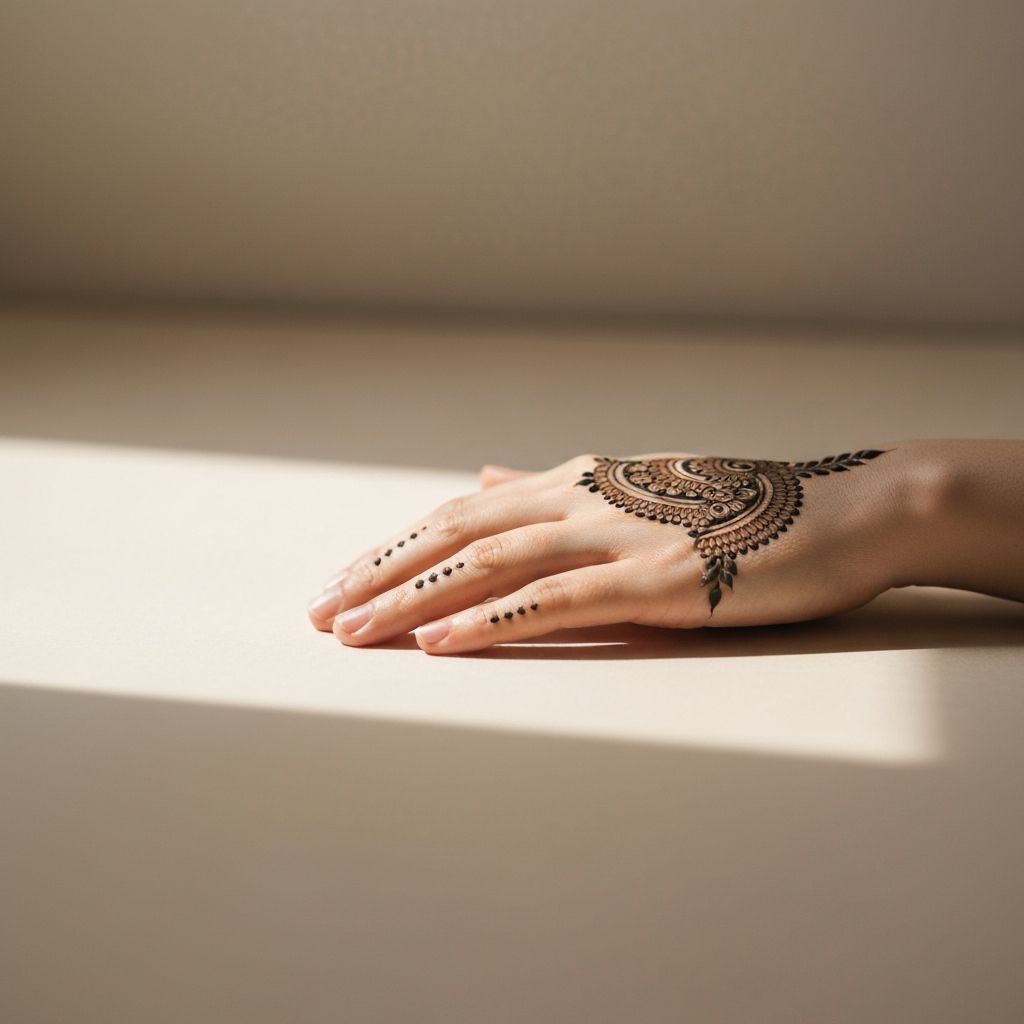
How Long Does Henna Last: Duration and Care Guide
Find out how long henna tattoos and hair dye typically last, what factors cause fading, and proven aftercare tips to keep the color vibrant longer.
Priya Sharma
Author
Henna has adorned human skin and hair for thousands of years, creating beautiful designs and rich color that have become integral to cultural celebrations across South Asia, the Middle East, and Africa. Modern use of henna has spread globally, with people drawn to its natural origins, striking visual impact, and temporary nature compared to permanent tattoos. Understanding how long henna lasts, what factors affect its duration, and how to maximize the staying power of both body art and hair applications helps users get the most from their henna experience.
Understanding How Henna Works
Henna comes from the Lawsonia inermis plant, whose leaves contain a natural dye molecule called lawsone. When henna paste made from dried and powdered leaves contacts skin or hair, the lawsone molecules bind with proteins in the outer layers, creating a reddish-brown stain. The depth and duration of the color depends on the quality of the henna, the length of contact time, the individual's skin or hair characteristics, and subsequent care.
Unlike permanent tattoos that deposit ink beneath the skin's surface, henna only stains the outermost layer of skin cells, called the stratum corneum. This is why henna naturally fades as skin cells turn over and shed. The same lawsone binding mechanism works with hair, where it coats the hair shaft and creates color that gradually washes out rather than being permanently altered at the cellular level like chemical dyes.
Typical Duration of Henna Body Art
Henna body art, commonly called mehndi in South Asian cultures, typically lasts between one and three weeks on skin. The actual duration varies significantly based on several factors. Fresh henna designs appear bright orange immediately after the paste is removed, then darken to a rich reddish-brown over the following twenty-four to forty-eight hours as oxidation occurs. Peak color intensity usually arrives two to three days after application.
Body location dramatically affects how long henna remains visible. Palms, fingers, and the soles of feet retain henna longest because these areas have thicker skin and more keratin that holds the dye effectively. Hands and feet applications can remain visible for three weeks or longer with proper care. Areas with thinner skin, such as arms, legs, back, and chest, typically show designs for one to two weeks before substantial fading begins.
How Long Henna Hair Color Lasts
Henna applied to hair typically maintains its color intensity for four to six weeks on virgin hair, with gradual fading continuing over several more weeks. Unlike body art, henna hair color does not completely disappear. Instead, it semi-permanently coats the hair strands and can build up with repeated applications, creating deeper and more durable color over time. The exact duration depends on hair type, washing frequency, water quality, and whether heat styling tools are used regularly.
First-time henna users often notice that the color looks particularly vibrant during the first two weeks, then gradually mellows as surface pigment washes away. The underlying stain bonded to the hair shaft remains much longer. Regrowth becomes noticeable at the roots after four to six weeks depending on individual hair growth rates, which typically average half an inch per month.
Factors That Affect Henna Longevity
Several factors significantly influence how long henna lasts on both skin and hair. The quality of the henna powder itself plays the most important role. Pure, fresh henna with high lawsone content produces deeper, longer-lasting stains. Old or poorly stored henna loses potency and creates fainter, shorter-lived color. Body chemistry affects individual results, with some people naturally developing darker, longer-lasting stains than others despite identical application methods.
Application technique matters considerably. Keeping the paste in contact with the skin for extended periods, typically six to eight hours or even overnight, allows maximum dye transfer. Removing paste too quickly limits the final color depth and longevity. The temperature of the skin during application also plays a role, with warmer skin absorbing color more effectively. Many traditional applications include sitting in warm areas or wrapping designs to enhance warmth.
Aftercare for Maximum Duration
Proper aftercare dramatically extends henna longevity on both skin and hair. For body art, avoiding water contact for the first twenty-four hours after paste removal allows the stain to fully oxidize and deepen. Applying a thin layer of natural oil, such as coconut, olive, or sesame oil, before water exposure creates a protective barrier that slows fading. Some traditions recommend applying lemon juice and sugar to the drying paste to enhance color development.
Gentle treatment of henna-stained skin maximizes duration. Harsh soaps, excessive scrubbing, and chlorinated pool water all accelerate fading. Using moisturizing, mild cleansers and avoiding exfoliating products over designed areas helps preserve the artwork. Sun exposure can both darken fresh stains and cause uneven fading as skin photoages, so moderate protection benefits both color and skin health.
Extending Henna Hair Color
Henna hair color lasts longest with thoughtful maintenance practices. Washing with cool or lukewarm water rather than hot water reduces color loss during each cleansing. Sulfate-free shampoos formulated for color-treated hair are gentler than traditional detergent-based products. Limiting washing frequency to two or three times weekly, rather than daily washing, preserves color significantly longer.
Deep conditioning treatments formulated for color-treated hair help seal the cuticle and lock in pigment. Avoiding clarifying shampoos, deep cleansing products, and chlorinated swimming pools prevents premature color stripping. Heat styling tools should be used at lower temperatures when possible, as high heat accelerates color fading. Some users find that occasional light applications of henna as a gloss between full treatments helps maintain vibrant color between major applications.
Natural Henna Versus Black Henna
An important distinction exists between pure natural henna and so-called black henna. True henna produces colors ranging from orange through reddish-brown to deep burgundy but cannot create truly black stains on skin. Products marketed as black henna typically contain para-phenylenediamine, a chemical commonly used in permanent hair dye. This additive enables deeper colors and sometimes quicker development times but poses serious health risks including severe allergic reactions, chemical burns, and long-term sensitization to related compounds.
True henna is considered very safe for most people when pure. Rare allergic reactions can occur but are typically mild. Black henna reactions can be severe and lasting, potentially leaving permanent scarring. Consumers should purchase henna products only from reputable sources that clearly list ingredients and should be suspicious of any henna claimed to produce black color or develop in less than a few hours.
Common Factors That Cause Faster Fading
Several activities and conditions accelerate henna fading beyond normal rates. Frequent handwashing with harsh soaps is particularly problematic for designs on hands. Dishwashing, cleaning with chemical products, and activities involving extended water exposure all shorten henna duration. Chlorinated swimming pools and hot tubs are notably damaging to henna stains, with even single exposures potentially causing noticeable fading.
Exfoliating products, whether chemical exfoliants like alpha hydroxy acids or physical scrubs, remove the henna-stained outer skin layers faster than normal turnover. Certain skincare ingredients, particularly retinoids and salicylic acid, also speed cell turnover. Applying these products over henna designs causes visible fading within days. Saunas, steam rooms, and activities causing heavy sweating similarly accelerate color loss.
When to Reapply Henna
Many enthusiasts apply henna on a regular schedule to maintain consistent color and design presence. For hair, reapplication every four to six weeks covers new growth and refreshes faded areas. Roots-only applications between full treatments extend the time between complete reapplications while maintaining consistent color from roots to tips. Some practitioners prefer monthly touch-ups while others stretch applications to six or eight weeks.
Body art naturally fades within two to three weeks, so reapplication timing depends on personal preference and occasion. Wedding traditions involve designs created specifically for the event, with no reapplication expected. Regular henna enthusiasts might apply new designs monthly or whenever the current application has faded beyond acceptable levels. Many people enjoy letting designs fade naturally before trying new patterns or color variations.
Cultural and Personal Significance
The duration of henna aligns beautifully with its traditional purposes. Wedding ceremonies feature elaborate bridal mehndi that gradually fades through the honeymoon period, creating a natural progression from ceremony to daily married life. Festival and celebration applications mark special times that eventually blend back into ordinary life as the designs fade. This temporary nature connects users to the ephemeral beauty of particular moments and occasions.
Personal henna practice offers a bridge between permanent commitment and no adornment. People hesitant about permanent tattoos can experiment with placements and designs, gaining experience before making irreversible choices. Those wanting to try bold hair colors can explore reddish tones through henna without committing to chemical dyes that permanently alter hair structure.
Conclusion
Henna typically lasts one to three weeks on skin and four to six weeks on hair, though individual results vary considerably based on quality, application, body chemistry, and care practices. Proper aftercare including oil application, gentle cleansing, and avoiding harsh chemicals can significantly extend these durations. Understanding the differences between natural and adulterated products helps users make safe choices, while knowledge about factors affecting fading helps plan applications for optimal longevity. Whether used for ceremonial purposes, artistic expression, or hair coloring, henna offers a beautiful natural option with temporary duration that matches many lifestyle preferences. The relatively brief lifespan of each application is part of henna's charm, creating opportunities for new designs and ongoing connection with this ancient beauty tradition.
Frequently Asked Questions
What will I learn from this lifestyle guide?
Find out how long henna tattoos and hair dye typically last, what factors cause fading, and proven aftercare tips to keep the color vibrant longer.
How can I improve my work-life balance?
Improve work-life balance by setting clear boundaries between work and personal time, prioritizing tasks using time-blocking techniques, learning to say no to non-essential commitments, and scheduling regular breaks and self-care activities.
More from Lifestyle
Continue exploring our curated collection of articles

Welding Shops Near Me: Services, Pricing, and Selection Tips
Find the best welding shops near you with tips on services offered, pricing ranges, choosing qualified welders, and common projects they handle daily.
Auto Repair Shops Transmission: Service and Cost Guide
A complete guide to finding trusted auto repair shops for transmission service, common warning signs, typical repair costs, and questions to ask.
Prices For Dental Veneers: Complete Cost Breakdown Guide
Explore the real prices for dental veneers including porcelain and composite options, insurance coverage, financing plans, and what affects overall cost.