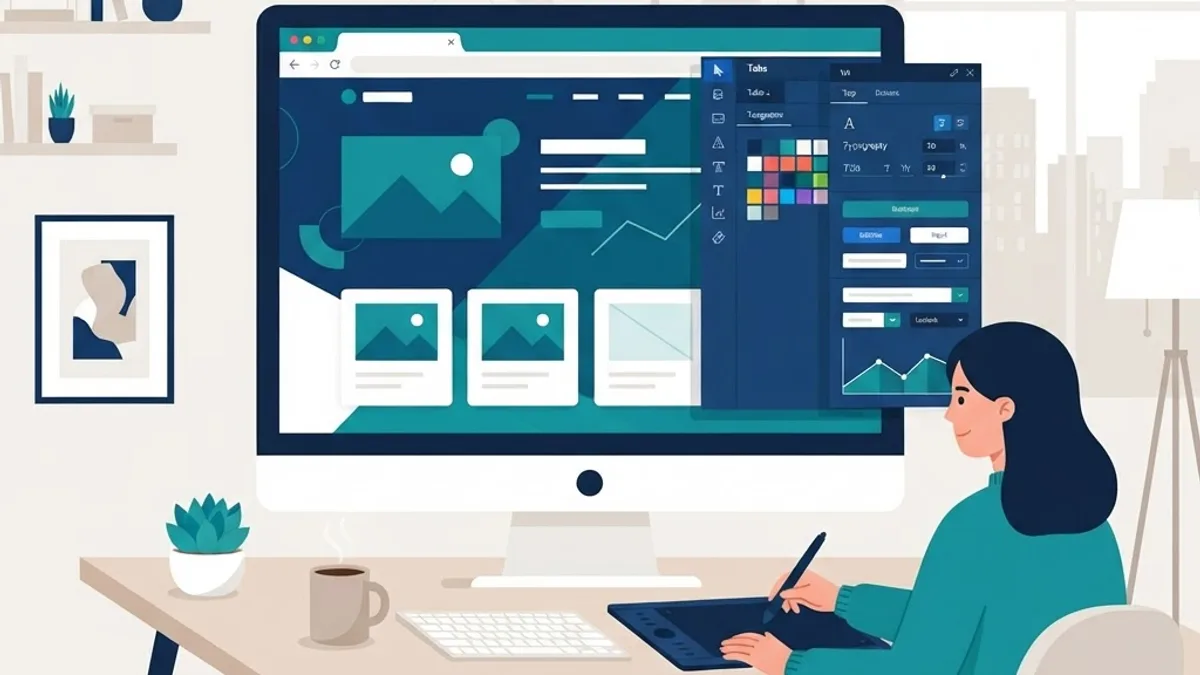
Web Designer Company: About, Services, and What We Do
Discover what a professional web designer company actually does, the services it offers, and how the right partner turns your ideas into a fast, accessible, revenue-driving website.
Daniel Whitfield
Author
Choosing the right web designer company is one of the most consequential decisions a modern business makes, because your website is often the first, and sometimes only, impression a customer forms of your brand. A great agency does far more than arrange colors and images on a screen. It blends strategy, design, engineering, accessibility, and search performance into a single experience that earns trust and drives measurable results. This guide explains exactly what a web designer company is, the services it provides, and how to understand the value behind each stage of the process so you can make a confident, informed choice.
What a Web Designer Company Actually Is
A web designer company is a specialized team that plans, designs, builds, and maintains websites and web applications for clients. Unlike a solo freelancer who typically focuses on a single discipline, a full-service company brings together strategists, UX designers, visual designers, front-end and back-end engineers, content specialists, and quality assurance testers. This collaborative structure allows the company to handle complex projects with consistency, meet deadlines reliably, and support clients long after launch.
The best companies operate as strategic partners rather than order-takers. Before a single pixel is placed, they invest time understanding your business goals, target audience, competitors, and the specific actions you want visitors to take. That discovery work shapes every subsequent decision, from information architecture to color palette to the wording of a call-to-action button. When design decisions are anchored to real objectives, the finished website performs instead of merely looking attractive.
The Discovery and Strategy Phase
Every successful project begins with discovery. During this phase, the company conducts stakeholder interviews, reviews analytics from any existing site, studies competitors, and defines success metrics. The goal is to replace assumptions with evidence. A company that skips this step is essentially guessing, and guesswork is expensive to correct later.
Strategy translates discovery findings into a plan. This includes defining the site map, prioritizing pages, outlining user journeys, and establishing the tone and personality of the brand online. A thoughtful strategy phase prevents scope creep, aligns everyone on expectations, and ensures the design team is solving the right problems from day one.
Core Web Design Services
The heart of any web designer company is its design offering. Professional website design covers wireframing, visual design, interactive prototyping, and design systems that keep every page consistent. Wireframes map out layout and hierarchy before visuals are applied, so clients can approve structure without being distracted by aesthetics. Prototypes then bring those wireframes to life, allowing stakeholders to click through the experience and provide feedback early, when changes are inexpensive.
Modern design work also produces a reusable design system: a documented library of buttons, typography scales, spacing rules, and components. This system speeds up future work, keeps the brand cohesive, and makes it far easier for developers to build accurately. Alongside layout work, many companies offer supporting creative services such as infographic design to explain complex ideas visually, and social media posts and banner design to keep marketing assets aligned with the website's look and feel.
Development Services: Turning Designs Into Reality
Design is only half the story. A polished mockup must be transformed into a living, breathing website that loads quickly and works flawlessly across devices. This is where development expertise becomes essential. Front-end web development turns approved designs into responsive, accessible interfaces using HTML, CSS, and JavaScript, ensuring the experience feels smooth on phones, tablets, and desktops alike.
Behind the interface, back-end web development powers the logic, databases, and integrations that let a site do meaningful work, from processing forms to managing user accounts and connecting to payment systems. Depending on your needs, a company may recommend a specific technology. For content-driven sites, WordPress development offers flexibility and an easy editing experience. For fast, interactive interfaces, teams often use React JS web development or build production-grade, SEO-friendly applications with Next JS web development. Ambitious full-stack products may call for MERN stack development, while brands wanting a modern headless content workflow benefit from Strapi CMS website development.
Ongoing Maintenance and Support
Launching a website is a milestone, not a finish line. Software needs updates, security patches must be applied, content changes over time, and performance should be monitored continuously. Reliable website maintenance and support protects your investment by keeping the site secure, current, and fast. This ongoing relationship is one of the clearest signs of a company that cares about long-term results rather than a one-time payday.
Maintenance also includes iterative improvement. Because the best companies measure how visitors behave, they can recommend refinements that boost conversions over time, such as clarifying a confusing navigation label or speeding up a slow page. Small, data-informed changes compound into significant gains.
How Design, Development, and Marketing Work Together
A website rarely succeeds in isolation. The most effective web designer companies think holistically, connecting design and development with broader growth services. Strong visuals supported by professional graphic design reinforce brand recognition, while a coordinated digital marketing strategy ensures the beautiful site you built actually gets discovered. For businesses that need more than a brochure site, full web development and scalable web applications turn a website into a genuine business tool.
Companies that offer complementary services such as content writing and emerging artificial intelligence capabilities help clients stay competitive as expectations evolve. The advantage of a single partner is coordination: design, code, content, and marketing all pull in the same direction instead of fighting each other.
What Sets a Great Web Designer Company Apart
Many companies can produce a decent-looking website. Fewer can consistently deliver websites that are fast, accessible, secure, easy to update, and optimized to convert. The differentiators usually come down to process, communication, and craftsmanship. A great company sets clear expectations, communicates progress transparently, and welcomes feedback throughout the project rather than presenting a finished product at the end.
Experience matters too. A team that has shipped dozens of projects has encountered and solved problems that a less experienced provider will only discover mid-project. Look for demonstrated expertise, a portfolio with real, live examples, and testimonials that speak to reliability. These signals of experience, expertise, authoritativeness, and trustworthiness are exactly what both clients and search engines reward.
A Typical Project Timeline
While every project differs, a representative timeline includes discovery and strategy, information architecture and wireframing, visual design, development, content integration, quality assurance testing, and launch. Testing deserves special mention: reputable companies test across browsers, devices, and assistive technologies to catch issues before real users do. After launch, the relationship shifts to monitoring, maintenance, and optimization.
Understanding this flow helps you set realistic expectations. Rushing any phase, especially discovery or testing, tends to produce a website that looks finished but underperforms. A trustworthy company will explain why each phase matters and resist shortcuts that compromise quality.
Frequently Asked Questions
What does a web designer company do?
A web designer company plans, designs, builds, and maintains websites and web applications. Its work spans strategy, user experience design, visual design, front-end and back-end development, content integration, testing, and ongoing support. The goal is to create a website that looks professional, works reliably across devices, and helps the business achieve measurable objectives such as leads or sales.
How is a web designer company different from a freelancer?
A company brings a coordinated team of specialists, which allows it to handle larger, more complex projects and provide continuity over time. Freelancers can be excellent for small, focused tasks, but a company offers broader expertise, redundancy if someone is unavailable, structured processes, and dependable long-term maintenance and support.
What services should I expect from a full-service web design company?
Expect strategy and discovery, website design, front-end and back-end development, content and creative services, quality assurance testing, and ongoing maintenance. Many companies also offer complementary growth services like digital marketing, graphic design, and content writing so your website and promotion work together seamlessly.
How long does it take to build a professional website?
Timelines vary with scope, but a typical business website often takes several weeks to a few months from discovery to launch. Larger applications with custom functionality take longer. A reputable company will provide a realistic schedule up front and explain how each phase, especially testing, contributes to the final result.
How do I choose the right web designer company?
Review their portfolio of live sites, read client testimonials, and assess how clearly they communicate. Look for demonstrated experience, a transparent process, and a genuine interest in your business goals. A strong partner asks thoughtful questions, sets clear expectations, and offers ongoing support rather than disappearing after launch.
Conclusion
A web designer company is far more than a vendor that makes pages look nice. The right partner combines strategy, design, engineering, content, and ongoing support to build a website that earns trust, ranks well, and drives real business growth. By understanding what these companies do and the services they provide, you can evaluate potential partners with confidence and invest in an outcome rather than just an output. If you are ready to build a website that works as hard as you do, connect with an experienced website design team and start with a conversation about your goals.
Frequently Asked Questions
What does a web designer company do?
A web designer company plans, designs, builds, and maintains websites and web applications. Its work spans strategy, user experience design, visual design, front-end and back-end development, content integration, testing, and ongoing support. The goal is to create a website that looks professional, works reliably across devices, and helps the business achieve measurable objectives such as leads or sales.
How is a web designer company different from a freelancer?
A company brings a coordinated team of specialists, which allows it to handle larger, more complex projects and provide continuity over time. Freelancers can be excellent for small, focused tasks, but a company offers broader expertise, redundancy if someone is unavailable, structured processes, and dependable long-term maintenance and support.
What services should I expect from a full-service web design company?
Expect strategy and discovery, website design, front-end and back-end development, content and creative services, quality assurance testing, and ongoing maintenance. Many companies also offer complementary growth services like digital marketing, graphic design, and content writing so your website and promotion work together seamlessly.
How long does it take to build a professional website?
Timelines vary with scope, but a typical business website often takes several weeks to a few months from discovery to launch. Larger applications with custom functionality take longer. A reputable company will provide a realistic schedule up front and explain how each phase, especially testing, contributes to the final result.
How do I choose the right web designer company?
Review their portfolio of live sites, read client testimonials, and assess how clearly they communicate. Look for demonstrated experience, a transparent process, and a genuine interest in your business goals. A strong partner asks thoughtful questions, sets clear expectations, and offers ongoing support rather than disappearing after launch.
More from Technology
Continue exploring our curated collection of articles
SEO Computers: Choosing the Right Machine and Ranking a Computer Business Online
SEO computers explained two ways: the hardware specs that genuinely speed up SEO work, and how computer businesses rank for the searches that bring customers.

modern seo
How modern SEO actually works in the AI search era, based on 18 months of traffic data across 40 sites, including what stopped working and what never changed.

How AI Is Reshaping SEO and Content Marketing
Discover how AI is reshaping SEO and content marketing, from generative search and intent modeling to automated content workflows, E-E-A-T, and measurable results.